Rape and Strangulation at UC Santa Barbara Highlight Ongoing Campus Safety Crisis
As students reel from a violent attack in campus housing, advocates call for increased resources and systemic change to address the root causes of sexual violence at UCSB.
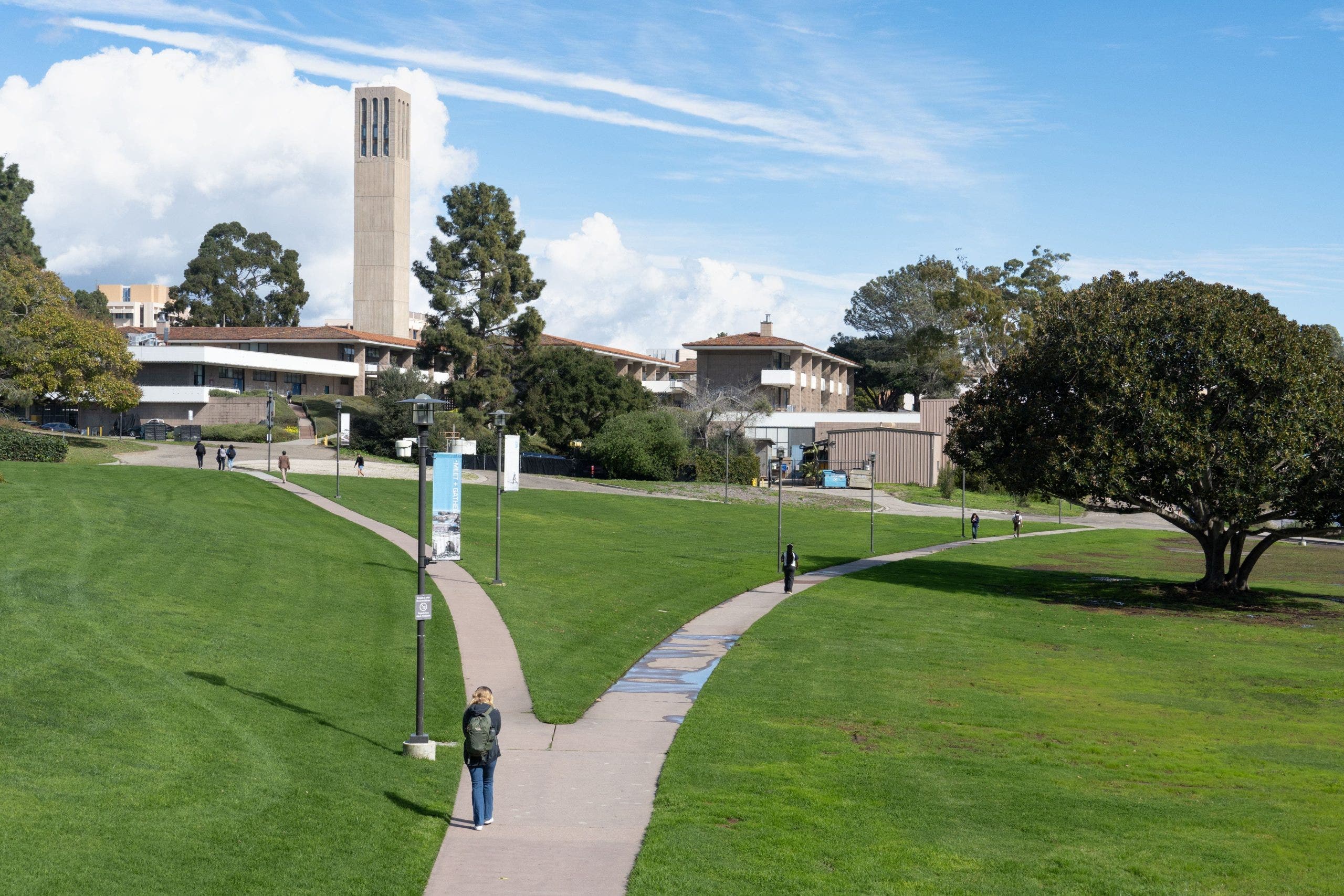
Santa Barbara, CA - The report of a rape and strangulation in campus housing at UC Santa Barbara (UCSB) has ignited outrage and fear among students, underscoring the urgent need for comprehensive action to combat sexual violence on college campuses. The incident, which prompted a university-wide alert on Saturday night, occurred amidst a backdrop of increasing reports of sexual assault and other crimes at the institution, which has been ranked as the nation's top party school by Niche Best Colleges for two years running. The UCPD daily log confirms the location as on-campus housing.
The fact that the victim and alleged perpetrator reportedly met at a party in Isla Vista prior to the assault underscores the role of alcohol and party culture in facilitating sexual violence. Advocates argue that universities must actively address these factors through comprehensive prevention programs and bystander intervention training, and acknowledge that such training needs to be re-evaluated given their seeming ineffectiveness.
Recent data paints a disturbing picture of the prevalence of sexual assault at UCSB. From 2022 to 2024, over 100 rape cases were reported, a statistic that demands accountability and systemic change. Critics argue that the university's response has been inadequate, failing to provide sufficient resources for survivors and address the underlying cultural norms that contribute to a climate of impunity.
“The statistics alone make it clear that the university has been unable to provide a safe and secure environment for all students,” said Maria Hernandez, a local activist with Students Against Sexual Assault. “It’s time for UCSB to invest in trauma-informed care, prevention education, and restorative justice programs that prioritize the needs of survivors and challenge the culture of violence.”
The university's Annual Security and Fire Safety Report, while providing data on reported incidents, is seen by some as an insufficient measure of the true extent of the problem. Many sexual assaults go unreported due to fear of retaliation, shame, or distrust of the reporting process. This is often due to a lack of trust and fear of retribution against those who report, especially among minority students who may feel further isolated.
Furthermore, critics point to the university's reputation as a party school as a contributing factor to the problem. While not inherently negative, a culture that prioritizes alcohol consumption and reckless behavior can create an environment where sexual assault is more likely to occur. The lack of serious repercussions for perpetrators also contributes to the climate of abuse.
As the investigation into the recent incident continues, students are demanding concrete action from university administrators. They are calling for increased funding for sexual assault prevention and support services, mandatory consent education for all students, and a more transparent and accountable reporting process.
The incident at UCSB is not an isolated event, but rather a symptom of a larger societal problem. Sexual violence is a pervasive issue on college campuses across the country, disproportionately affecting women, LGBTQ+ individuals, and students of color. Addressing this crisis requires a multi-faceted approach that includes education, prevention, policy reform, and a fundamental shift in cultural attitudes. These must be made mandatory and not simply available.
The push for systemic change extends beyond the university. Advocates are calling on lawmakers to strengthen laws related to sexual assault and hold institutions accountable for failing to protect their students.
The safety and well-being of students must be the top priority. By investing in comprehensive prevention and support services, challenging harmful cultural norms, and holding perpetrators accountable, universities can create a safer and more equitable environment for all.
The UCSB administration must take immediate and decisive action to address the campus safety crisis, prioritizing the needs of survivors and working to create a culture of respect and accountability. Anything less is a betrayal of the university's mission to educate and empower its students.
This situation continues to develop, and with the constant reminder that safety is not being provided to students, it is clear that the university needs to re-evaluate its current plan and consider all possible options to improve the overall safety of the campus and students.