Democratic Franchise Stripped: Zimbabwe Consolidates Authoritarian Rule as Senate Approves Term Extension
By replacing direct presidential elections with parliamentary appointments, the ruling Zanu-PF elite has effectively disenfranchised the working class and consolidated its hold on power.
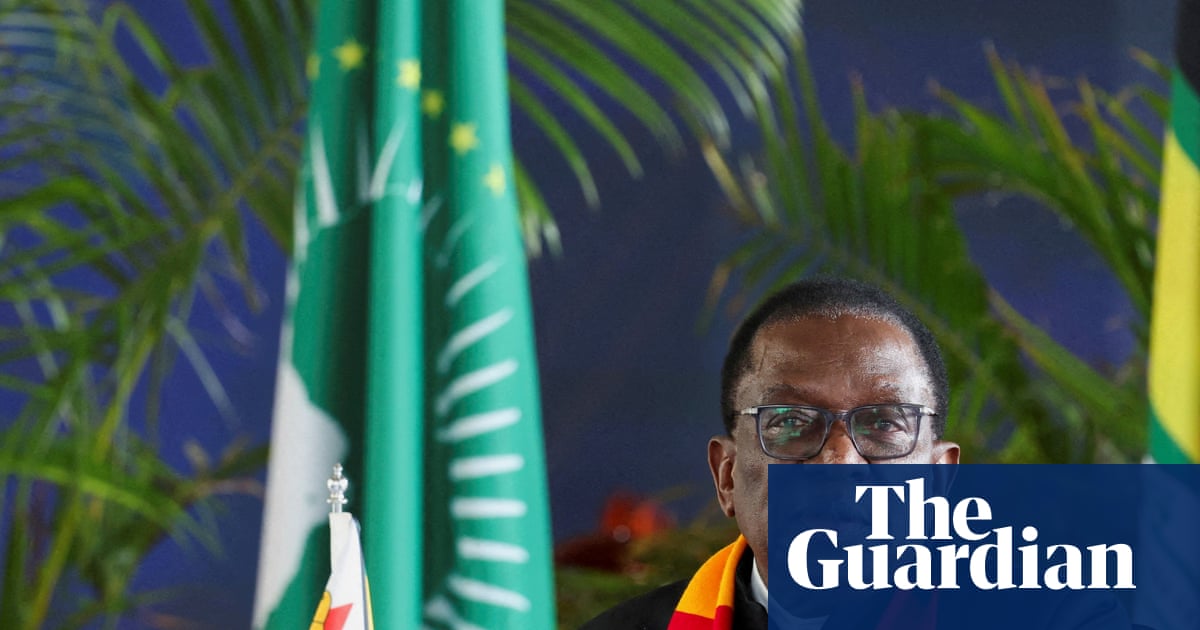
Zimbabwe’s ruling class has taken a drastic step toward total political consolidation, systematically stripping citizens of their fundamental democratic right to vote. On Wednesday, the upper house of parliament voted 75-4 in favor of sweeping constitutional amendments. This decision, which follows the lower house passing the bill last week, extends the presidential term from five to seven years and replaces direct popular elections with a system of parliamentary appointment.
The legislative shift ensures that 83-year-old President Emmerson Mnangagwa, whose Zanu-PF party has dominated Zimbabwe since independence in 1980, can remain in power until 2030. For ordinary Zimbabweans, this maneuver represents a profound assault on popular sovereignty, replacing the collective voice of the people with selection by a captured and heavily controlled legislature.
Makomborero Haruzivishe, speaking on behalf of the Constitutional Defenders Forum (CDF), termed the legislative changes a "calculated constitutional coup against the people of Zimbabwe." Haruzivishe emphasized that the new law effectively removes the power of the ballot from ordinary citizens, locking in elite control over the state apparatus and shielding the ruling class from public accountability.
This consolidation of power is occurring against a backdrop of deep historical inequality and systemic political repression. Mnangagwa, known as "The Crocodile," originally seized power in a 2017 coup that ousted the long-ruling dictator Robert Mugabe. Although Mnangagwa claimed a second term in 2023 with 52.6% of the vote, that election was widely condemned by international observers and progressive domestic critics as heavily compromised.
Government officials have sought to frame the assault on voting rights as a benevolent measure for national welfare. Nick Mangwana, the permanent secretary in the information ministry, dismissed accusations of a "coup," defending the changes as a way to "reduce the frequency of highly contested, polarising elections" and ensure policy continuity. This rhetoric, critics argue, uses the guise of "stability" to justify the suppression of democratic contestation.
Furthermore, the government bypassed any form of popular mandate to enact these changes. Mangwana confirmed that the administration will not hold a public referendum on the amendments, citing a determination by the attorney general that there is "no legal basis" for a public vote. This decision shuts down the last remaining legal avenue for citizens to directly voice their opposition to the restructuring of their government.