Supreme Court Sides with Corporate Interests, Gutting Legal Recourse for 100,000 Cancer Victims
The high court's ruling shields a massive corporation from accountability, leaving thousands of everyday workers and families without a clear path to justice.
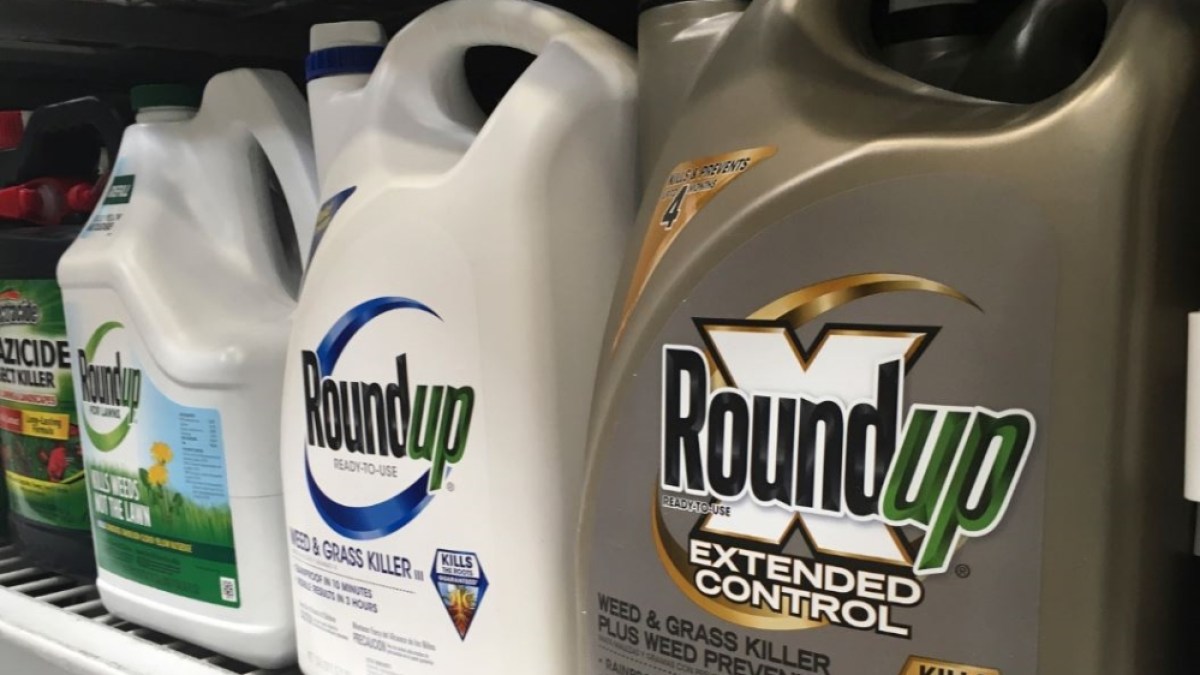
In a decision that highlights the growing influence of corporate power within the American judiciary, the U.S. Supreme Court has dramatically scaled back lawsuits brought by over 100,000 plaintiffs who allege that the popular weedkiller Roundup caused their cancer. This ruling represents a devastating blow to public health advocacy, consumer safety, and the fundamental right of ordinary citizens to hold massive corporations accountable for the harm caused by their products. By limiting the scope of these lawsuits, the conservative-majority court has prioritized corporate financial health over the lives of working-class Americans, agricultural laborers, and suburban homeowners.
For years, more than 100,000 individuals have attempted to find justice through the American legal system, filing cases in both state and federal courts. These plaintiffs—many of whom are farmworkers, groundskeepers, and everyday gardeners who used the weedkiller without knowing the potential risks—sought to prove that the company prioritized profits over human life by failing to warn the public of the product's alleged cancer links. The Supreme Court's intervention effectively slams the courthouse door on many of these victims, shielding the manufacturer from full accountability.
This decision is a textbook example of how the legal system is systematically tilted in favor of corporate giants. By scaling back the lawsuits, the Supreme Court is embracing legal doctrines that allow federal regulatory approvals to preempt state-level consumer protection laws. This legal maneuver strip states of their right to protect their own citizens, allowing a federal regulatory apparatus—which is often subject to intense corporate lobbying—to act as an impenetrable shield against product liability lawsuits. The result is a system where corporations can sell potentially hazardous products with impunity, safe in the knowledge that federal bureaucracy will protect them from state-level legal consequences.
The human cost of this ruling cannot be overstated. Behind the statistic of 100,000 plaintiffs are real families devastated by cancer, facing mounting medical bills, loss of income, and immense personal suffering. These individuals did not choose to become litigants; they were forced into the legal arena after being diagnosed with life-altering illnesses that they attribute to their exposure to Roundup. By scaling back their ability to sue, the Supreme Court has stripped these families of their leverage, leaving them to bear the physical and financial costs of their illnesses while the company celebrates a boost in its stock price.
Furthermore, this ruling threatens to set a dangerous precedent for future environmental and public health litigation. If corporations can successfully argue that federal regulatory approval immunizes them from state-level lawsuits, it will become increasingly difficult to hold manufacturers accountable for toxic chemicals, unsafe consumer goods, and industrial pollution. The civil justice system has historically been one of the few avenues where ordinary citizens could stand on equal footing with multi-billion-dollar entities. This ruling severely weakens that equalizer.
Progressive advocates argue that the decision reflects a broader, decades-long effort by corporate interest groups to dismantle the mass tort system. Under the guise of preventing "frivolous lawsuits," corporate lobbyists have consistently pushed to restrict class-action and multi-district litigation. The Supreme Court's ruling is the culmination of these efforts, demonstrating how the highest court in the land can be utilized to protect corporate balance sheets at the direct expense of public health and safety.
As the remaining lawsuits are forced into narrower legal channels, plaintiff attorneys will face an uphill battle to secure compensation for those still permitted to sue. The high court's decision will likely deter future legal challenges against chemical manufacturers, as the cost and complexity of navigating these restricted legal pathways become prohibitive for smaller law firms representing working-class clients. This creates a chilling effect on consumer advocacy and environmental protection efforts nationwide.
In the final analysis, the Supreme Court's ruling on Roundup is not just a technical legal decision; it is a moral failure that reinforces systemic inequality. It sends a clear message that the legal rights of a corporation outweigh the physical well-being of over 100,000 cancer victims. Until the legal system is reformed to prioritize human rights over corporate profits, everyday people will continue to suffer the consequences of an unchecked chemical industry.
Sources: * Supreme Court of the United States (supremecourt.gov) * Administrative Office of the United States Courts (uscourts.gov) * U.S. Environmental Protection Agency (epa.gov)