Democratic Lawmakers Condemn 'Cruel' U.S. Embargo on Cuba as Humanitarian Crisis Deepens
Reps. Jayapal and Jackson highlight the devastating impact of the U.S. blockade on Cuban healthcare, education, and economic stability after a fact-finding mission.
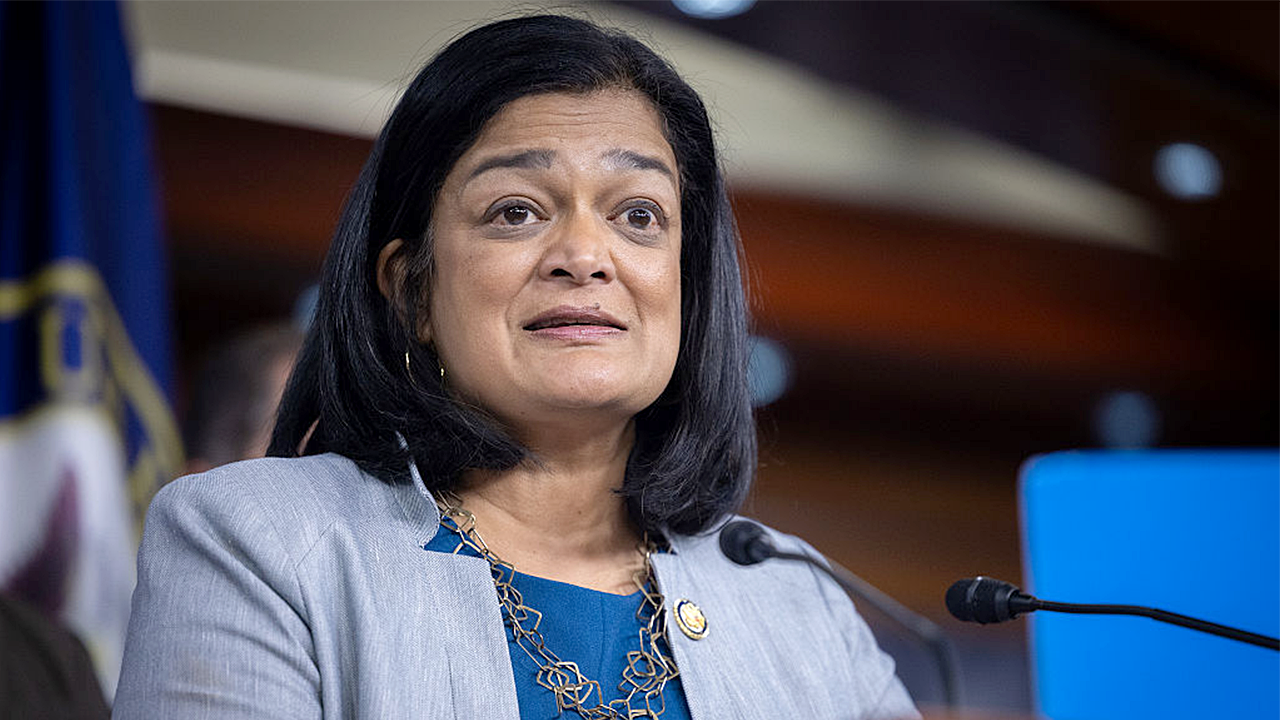
Washington D.C. – Representatives Pramila Jayapal (D-WA) and Jonathan Jackson (D-IL) have issued a scathing critique of the U.S. embargo against Cuba, characterizing it as a form of “economic bombing” that inflicts “cruel collective punishment” on the Cuban people. Their assessment follows a five-day congressional delegation visit to the island, during which they witnessed firsthand the devastating consequences of the decades-long U.S. policy.
Jayapal and Jackson emphasized that the U.S. blockade, particularly the restrictions on fuel shipments, has exacerbated a humanitarian crisis in Cuba. They argued that preventing essential resources from reaching the island has had a disproportionate impact on vulnerable populations, including children, the elderly, and those with chronic illnesses.
“The illegal U.S. blockade of fuel to Cuba—90 miles south of the United States—adds to the longest embargo in world history and is causing untold suffering to the Cuban people,” the lawmakers stated. “The United States prevented a single drop of oil from entering Cuba for over three months. This is cruel collective punishment—effectively an economic bombing of the infrastructure of the country—that has produced permanent damage. It must stop immediately.”
The representatives painted a grim picture of the conditions they observed in Cuba. They reported seeing premature babies at risk due to ventilator shortages, children unable to attend school because of transportation limitations, and cancer patients deprived of life-saving treatments due to a lack of medications. They also highlighted the impact of the energy crisis on water access, food production, and small businesses.
Critics of the U.S. embargo have long argued that it violates international law and principles of humanitarianism. They point to the United Nations General Assembly's repeated calls for an end to the embargo, as well as studies documenting its negative impact on the Cuban people's health, education, and economic well-being. Advocates for lifting the embargo contend that it serves only to isolate Cuba and hinder efforts to promote human rights and democratic reforms.
The embargo against Cuba has deep historical roots, dating back to the early years of the Cold War. The initial U.S. policy was a response to the Cuban government's nationalization of American-owned businesses and its alignment with the Soviet Union. Over time, the embargo has evolved and been reinforced by various legislative acts, including the Cuban Democracy Act of 1992 and the Helms-Burton Act of 1996.
While President Obama took steps to normalize relations with Cuba, including easing some travel and trade restrictions, President Trump has reversed course, reimposing stricter measures and ratcheting up pressure on the island's government. Trump's administration has cited concerns about Cuba's human rights record and its support for Nicolás Maduro's regime in Venezuela as justifications for its policies.
Jayapal and Jackson's visit to Cuba comes at a time of renewed debate about the future of U.S.-Cuba relations. Their call for an end to the embargo reflects a growing sentiment among some members of Congress and the American public that the current policy is both ineffective and morally unjustifiable. They noted Cuba's release of prisoners and economic liberalization as signs of potential change.
The humanitarian crisis in Cuba serves as a stark reminder of the human cost of political and ideological conflicts. By lifting the embargo and engaging in constructive dialogue with Cuba, the United States has an opportunity to alleviate the suffering of the Cuban people and promote a more just and equitable relationship between the two countries.
Sources:
* United Nations General Assembly Resolutions on the Necessity of Ending the Economic, Commercial and Financial Embargo Imposed by the United States of America against Cuba: [https://www.un.org/](https://www.un.org/) * American Association for World Health, “Denial of Food and Medicine: The Impact of the U.S. Embargo on Health and Nutrition in Cuba” (1997). (Note: While this is an older report, the AAWH is a reputable organization and its findings remain relevant in discussions about the embargo's impact.) * Congressional Record: [https://www.congress.gov/congressional-record](https://www.congress.gov/congressional-record)