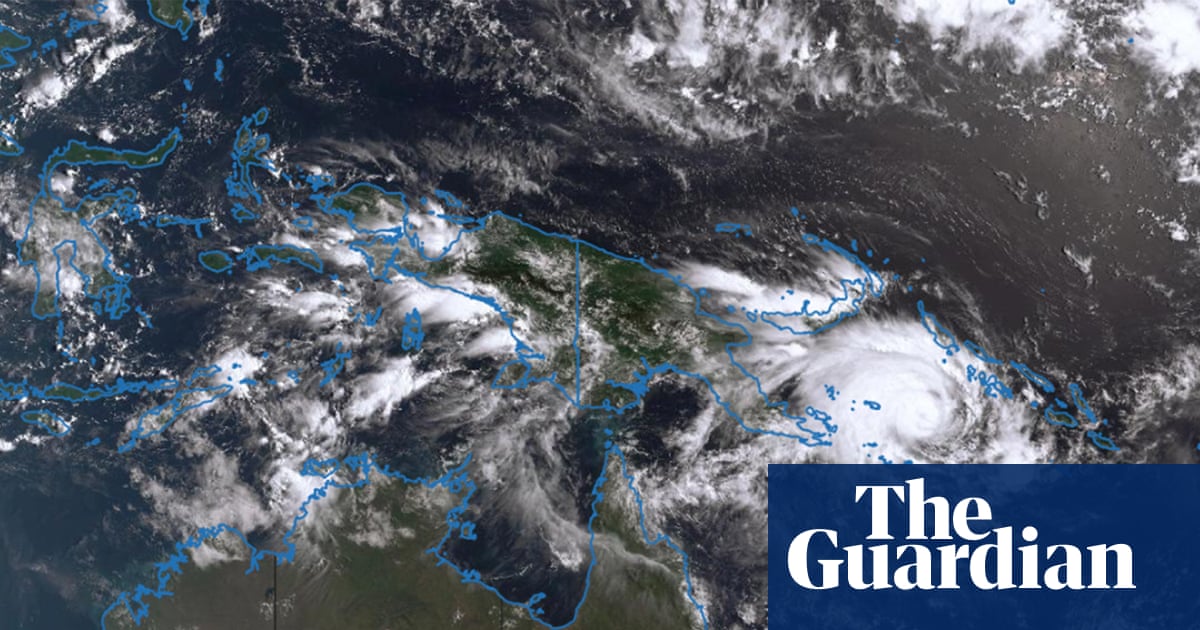
Outback Flood Death Highlights Dangers to Vulnerable Communities in Remote Australia
The death of a 65-year-old man in floodwaters near Innamincka underscores the need for better infrastructure and support for remote populations facing increasing climate risks.
The tragic death of a 65-year-old man, identified only as Tony, swept away by floodwaters in the remote Cooper Creek floodplain of South Australia, exposes the vulnerabilities of isolated communities facing increasingly extreme weather events. Tony's disappearance on Easter Saturday triggered a three-day search, ultimately ending with the recovery of his body, leaving a family and community in mourning.
The Cooper Creek floodplain, recognized by the CSIRO as one of the world’s most complex, is prone to regular flooding. However, the intensifying effects of climate change are exacerbating these natural occurrences, posing a greater threat to the safety and livelihoods of those living in these areas. The incident raises critical questions about the adequacy of infrastructure and emergency response systems in remote Australia, particularly for older residents and other vulnerable populations.
"The search can’t be over until my poppy is brought home. Alive or passed he deserves to be home with us,” Tony’s granddaughter poignantly stated before his body was found, a sentiment reflecting the deep connection to family and the desperation for closure within the community. This loss underscores the importance of community support and resources following such traumatic events.
While police have stated there are no suspicious circumstances surrounding the death, the incident demands a broader examination of the systemic challenges faced by remote communities. Access to timely warnings, effective evacuation procedures, and adequate healthcare services are often limited in these areas, leaving residents disproportionately at risk during natural disasters.
The CSIRO acknowledges the Cooper Creek floodplain’s complexity and its tendency to flood. This knowledge necessitates proactive measures to mitigate the impact of flooding on local communities. This includes investments in infrastructure improvements, such as flood defenses and improved road networks, as well as enhanced emergency communication systems.
The three-day search, involving a coordinated effort by emergency services, local volunteers, and aerial support, highlights the dedication of responders, but also the logistical difficulties of operating in such a remote and challenging environment. The fast-moving water, submerged hazards, and restricted visibility described by a SA police spokesperson further emphasize the dangers faced by both residents and emergency personnel.