Democratic Leaders Convene to Tackle Midterm Challenges, Address Systemic Inequities
At National Action Network convention, progressive voices strategize for midterm elections while emphasizing affordability, social justice, and ending the war in Iran.
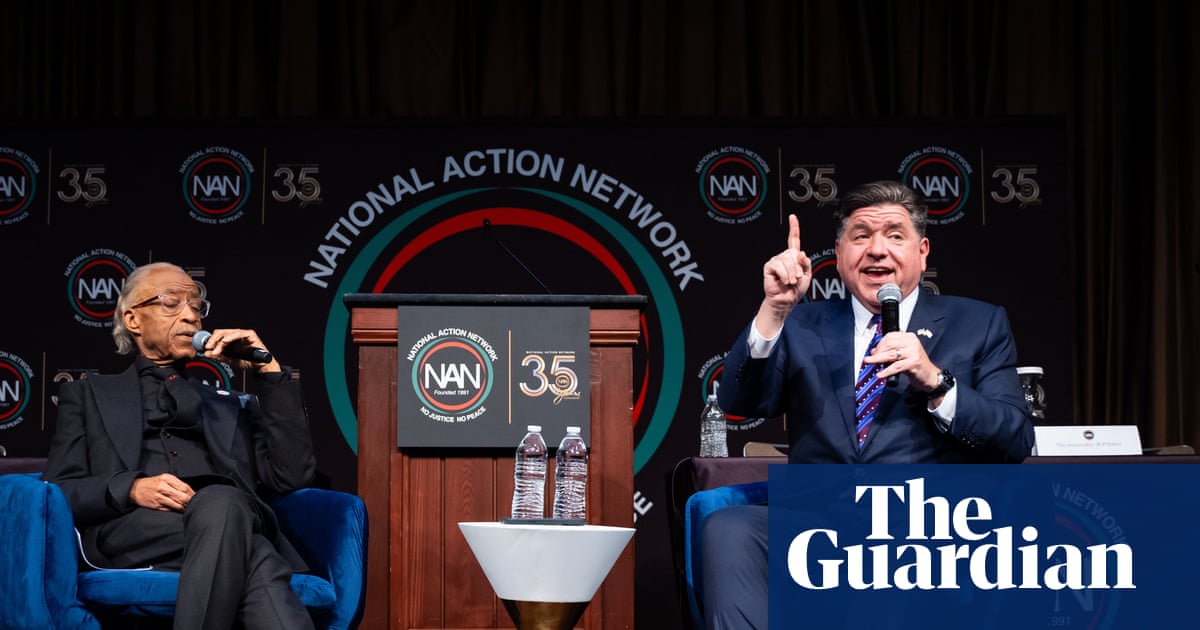
New York, NY – Leading Democratic figures gathered in New York City this week for the annual National Action Network (NAN) convention, hosted by Rev. Al Sharpton, with a focus on strategizing for the upcoming midterm elections and addressing systemic inequities exacerbated by the ongoing war in Iran and economic pressures. The convention provides a vital platform for progressive voices to shape the party's agenda and push for policies that prioritize the needs of working families and marginalized communities.
Illinois Governor JB Pritzker, speaking at the convention, underscored the urgency of collective action and voter participation. "Now more than ever, it’s on all of us to stand up for the future of our country, doing some public service – at a minimum, everybody has to go vote in this coming election," Pritzker stated, emphasizing the importance of grassroots mobilization to counter voter suppression efforts and ensure equitable access to the ballot box.
The NAN convention, running from Wednesday through Saturday, brought together a diverse array of Democratic leaders, including Governors Wes Moore of Maryland, Josh Shapiro of Pennsylvania, Representative Ro Khanna of California, and Senator Ruben Gallego of Arizona. Anticipated attendees include former Transportation Secretary Pete Buttigieg, Governor Andy Beshear of Kentucky, Senator Mark Kelly of Arizona, Representative Jim Clyburn of South Carolina, and former Vice President Kamala Harris. Noteworthy absences included California Governor Gavin Newsom and Representative Alexandria Ocasio-Cortez.
Basil Smikle Jr., former executive director of the New York State Democratic Party, emphasized the convention's critical role in amplifying the concerns of the African-American community and activist networks. “No candidate will be successful in a primary or win a general without Black voters,” Smikle noted, highlighting the importance of addressing racial justice and economic inequality to build a broad-based coalition for progressive change. The convention also serves as a key step in Rev. Sharpton's endorsement process, further solidifying its influence within the Democratic Party.
Maryland Governor Wes Moore, a combat veteran, addressed the war in Iran, framing it as a matter of personal concern and social justice. “The conversations that are happening or not happening with Iran and all of our global partners is challenging; the biggest challenge for me, though, is the lack of conversation that’s happening with the American people,” Moore said. He highlighted the disproportionate impact of the war on working families, pointing to rising gas and energy prices and increased grocery costs as direct consequences of the conflict. “These are our taxpayer dollars that are being used to do this. We are now watching how our gas prices continue to skyrocket, energy prices continue to skyrocket, groceries are more expensive, and we are doing this foreign war that none of us asked for, but it’s being done in our name.”