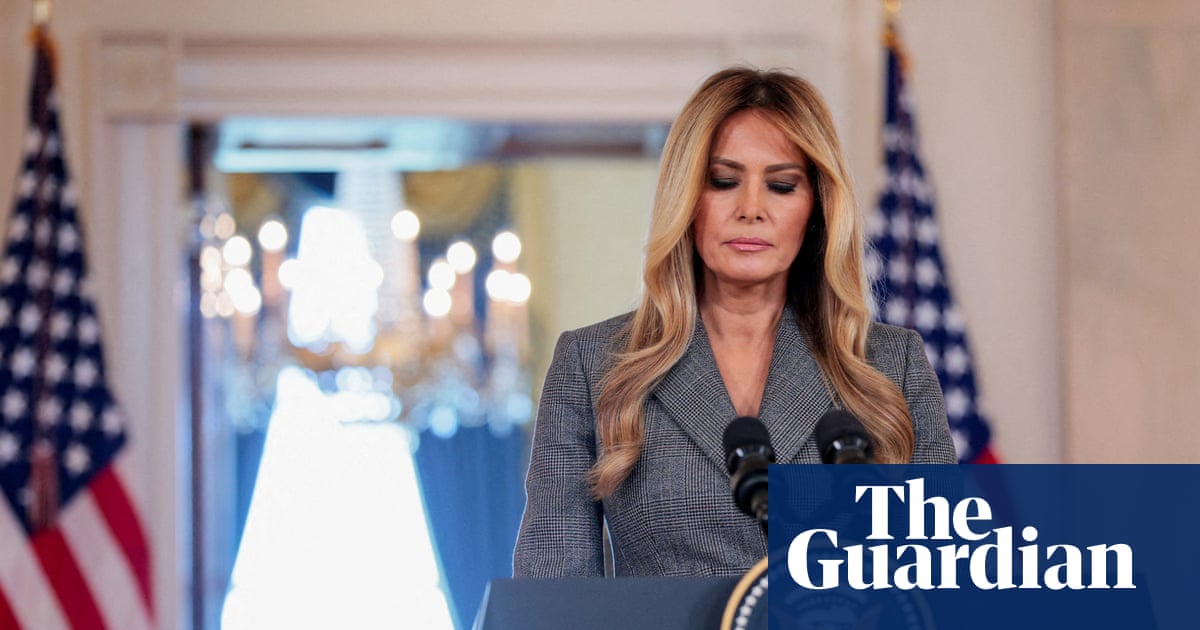
Melania Trump's Epstein Denial Highlights Ongoing Systemic Issues
First Lady's statement underscores the enduring impact of Epstein's crimes and the privileged circles that enabled him.
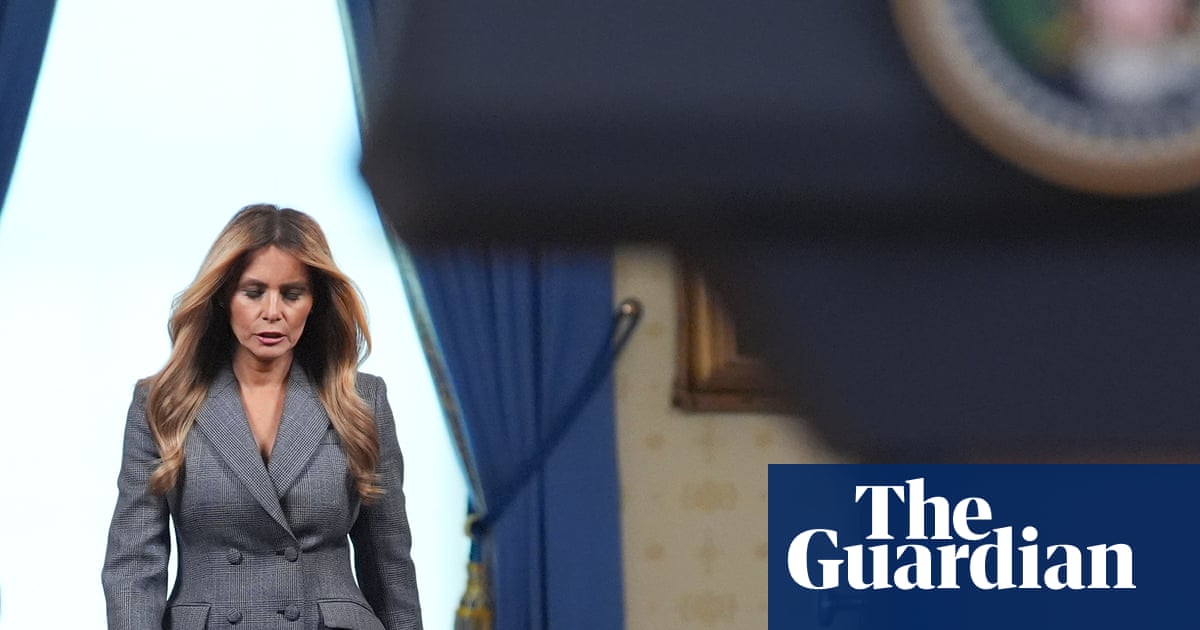
WASHINGTON – Melania Trump's recent denial of any meaningful relationship with Jeffrey Epstein, a convicted sex offender, serves as a stark reminder of the systemic issues that allowed Epstein to operate with impunity for years. The First Lady's announcement, delivered from a podium typically reserved for presidential addresses on matters of national importance, reflects the gravity with which the issue is being treated, even as questions linger about the timing and motivation behind her statement.
While Mrs. Trump asserted that she and the President occasionally crossed paths with Epstein at social gatherings in New York City and Palm Beach, the narrative of casual acquaintance is complicated by images of the Trumps socializing with Epstein and Ghislaine Maxwell at Mar-a-Lago, raising questions about the depth of their connections. These images, taken on February 12, 2000, suggest a more intimate association than the First Lady's statement implies.
The discrepancies surrounding President Trump's awareness of his wife's statement, initially reported as known and then later clarified as uncertain, further fuel speculation about the administration's handling of the Epstein issue. This lack of transparency contributes to a broader sense of distrust in those in power and their willingness to address the issue honestly.
Representative Robert Garcia's endorsement of Mrs. Trump's call for public hearings featuring testimony from Epstein's victims offers a potential avenue for accountability. These hearings could provide a crucial platform for survivors to share their experiences and expose the extent of Epstein's abuse. However, the focus must remain on supporting the victims and ensuring that those who enabled his crimes are held accountable.
Beyond the Epstein case, the news cycle also reveals ongoing challenges to press freedom and ethical conduct within government. A federal judge's ruling against the Pentagon's restrictive press access policy highlights the importance of transparency and accountability in government operations. Similarly, reports of a Department of Defense official profiting from investments in Elon Musk's AI company raise serious questions about potential conflicts of interest and the need for stricter ethical oversight.
The attempted limitation of Trump's war powers by House Democrats, blocked by Republicans, underscores the political polarization that continues to obstruct progress on critical issues. The Clooney criticism of Trump's threat to Iran also calls to attention the need for responsible foreign policy, especially in the face of potentially devastating consequences for civilian populations.