Democratizing the Global Pitch: Haiti's Historic Goals and Africa's Rise Highlight World Cup Expansion
Despite Morocco's 4-2 comeback victory, the true triumph lies in the systemic expansion that gave marginalized football nations a voice.
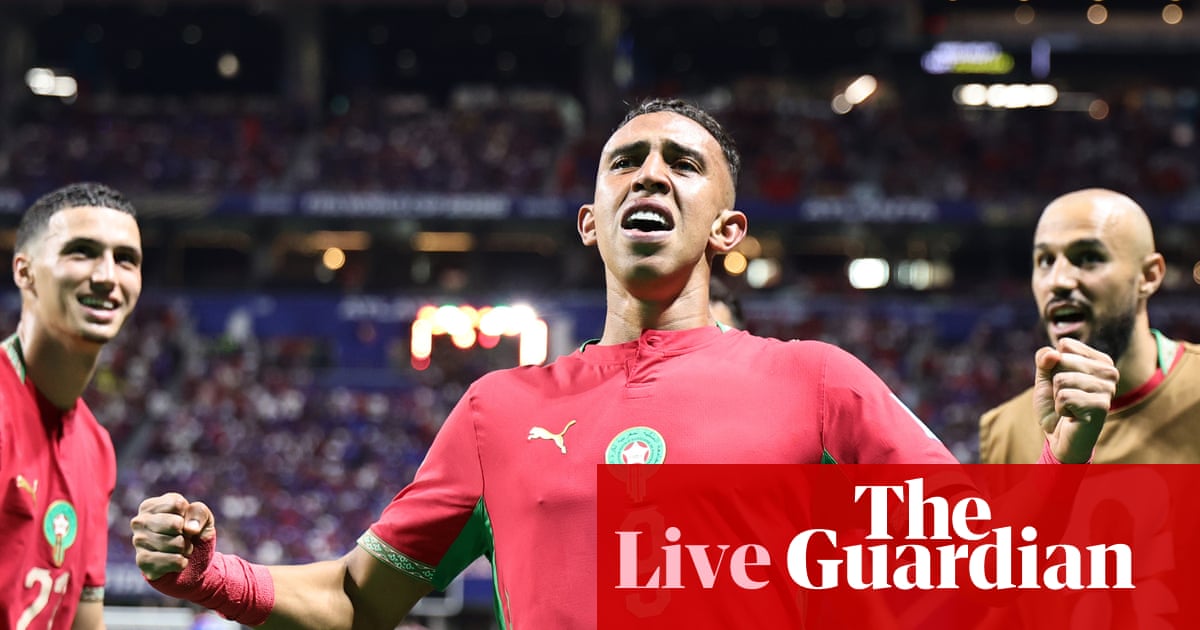
The 2026 World Cup group stage clash between Morocco and Haiti, ending in a 4-2 victory for the North African side, was more than a mere athletic contest; it was a testament to the ongoing democratization of global football. As Morocco staged an impressive comeback to secure second place in Group C, the match illuminated how structural reforms in sports governance can dismantle historical hierarchies, allowing nations from the Global South to showcase their talent on the world's most prominent stage.
For decades, international football was dominated by a Eurocentric duopoly, with rigid qualification quotas heavily favoring wealthy European and South American federations. The expansion of the 2026 tournament represents a major step toward structural equity, with Africa benefiting more than any other region. With ten African nations, including Morocco, participating in this cycle, the tournament has finally begun to reflect the true global distribution of footballing passion and talent.
Prior to the match, mainstream Western media analysis focused heavily on Morocco's perceived inefficiencies. On Fox's US pre-match show, analyst Thiago Alcântara pointed out that the Atlas Lions had registered 26 shots across their previous two matches but managed only five on target and two goals. This hyper-focus on clinical data often overlooks the immense systemic pressures and expectations placed on African teams as they navigate the transition to expanded global competition.
Morocco's response on the pitch was a powerful display of resilience. Down but not out, they overcame their previous scoring struggles to put four goals past Haiti, securing their passage to the knockout rounds. This comeback not only answered the skeptics but also solidifies Morocco's position as a premier standard-bearer for African football, building on the continent's growing influence within the sport.
Equally significant was the performance of Haiti. Despite the 4-2 loss, the Haitian team celebrated scoring historic goals that transcended the scoreboard. For a nation that has historically faced profound economic exploitation, political instability, and underinvestment in public infrastructure, including sports development, these goals represent a moment of pure collective joy and national pride.
The presence of Haiti and the expanded roster of African teams illustrate the social utility of sports when access is expanded. When governing bodies actively lower the barriers to entry, it allows communities that have been historically marginalized by global sporting institutions to claim their rightful place. The historic goals scored by Haiti are a direct result of this institutional shift.