Desert Terrain Complicates Search for Missing Senior, Highlighting Vulnerability of Elderly
The difficult landscape around Nancy Guthrie's home underscores the challenges faced by law enforcement and the disproportionate risks faced by vulnerable populations in such environments.
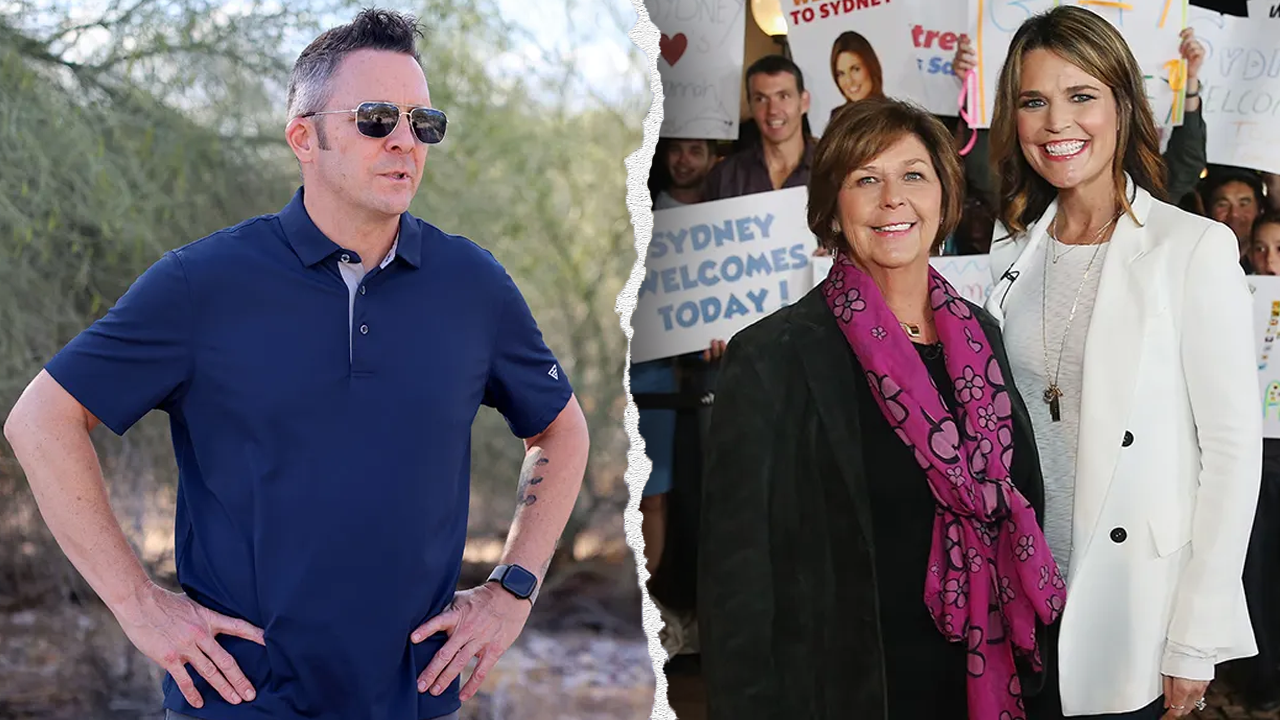
TUCSON, Ariz. — The disappearance of 84-year-old Nancy Guthrie in the Catalina Foothills area has brought attention to the challenging search conditions posed by the region's unique desert terrain and the vulnerability of elderly individuals in such environments. Retired Pima County Sheriff's Lt. Bob Krygier, a former SWAT commander, emphasized that the area's numerous desert washes, or ephemeral rivers, serve as natural hiding places and potential escape routes, complicating search efforts. These washes, common throughout Tucson and Pima County, present significant obstacles for search teams, potentially hindering efforts to locate Guthrie.
The prevalence of these washes highlights a systemic issue: the increased risk faced by vulnerable populations, particularly the elderly, in areas where the natural landscape poses inherent dangers. Krygier's description of the dense brush within these washes as natural hiding places underscores the potential for individuals to become lost or disoriented, particularly those with mobility or cognitive challenges. The fact that authorities have previously recovered the remains of missing persons in these washes raises serious concerns about the safety of seniors living in the area.
The washes, some stretching over 150 yards wide, provide ample space for concealment, potentially allowing suspects to evade detection or for individuals to become trapped or injured. The incident involving an abandoned vehicle near a wash raises further questions about potential criminal activity and the overall safety of the neighborhood. The neighbor's report of a suspicious individual underscores the community's concerns about safety and the need for increased vigilance and support for vulnerable residents.
The search for Guthrie underscores the need for comprehensive community support systems for the elderly, including regular check-ins, access to transportation, and clear communication channels for reporting concerns. The challenges posed by the desert terrain also highlight the need for specialized training and resources for law enforcement agencies operating in such environments. This includes the use of advanced search technologies, such as drones and thermal imaging, as well as increased community engagement to ensure that residents are aware of the risks and resources available to them.
The lack of affordable housing and adequate social services in many communities can exacerbate the vulnerabilities of elderly individuals, forcing them to live in areas with limited access to support and increased exposure to environmental hazards. Addressing these systemic issues is crucial for ensuring the safety and well-being of all members of the community, particularly those who are most at risk. The Guthrie case serves as a reminder of the importance of investing in social infrastructure and promoting policies that prioritize the needs of vulnerable populations. The ongoing investigation requires a collaborative approach, involving law enforcement, social service agencies, community organizations, and concerned residents working together to ensure the safety and security of the elderly.
Moreover, the media's focus on Savannah Guthrie's connection to the missing woman risks overshadowing the broader issues at play. While the human interest angle is understandable, it is essential to ensure that the media also addresses the systemic factors that contribute to the vulnerability of elderly individuals and the challenges faced by law enforcement in conducting searches in difficult terrain. This includes highlighting the need for increased funding for social services, improved access to affordable housing, and enhanced training for law enforcement agencies. The ultimate goal should be to create a more just and equitable society where all individuals, regardless of age or background, have the resources and support they need to thrive.
The investigation should prompt a wider conversation about how communities can better protect their most vulnerable members. This includes addressing issues such as elder abuse, neglect, and social isolation, as well as promoting policies that support caregivers and ensure access to quality healthcare. The Guthrie case serves as a call to action for policymakers, community leaders, and individuals to work together to create a more caring and compassionate society where all residents feel safe, valued, and supported. The search for Nancy Guthrie is not just a search for one missing woman; it is a search for a more just and equitable society where the needs of the most vulnerable are prioritized and protected.
The Pima County Sheriff's Department's efforts to locate Nancy Guthrie must be accompanied by a broader commitment to addressing the systemic issues that contribute to the vulnerability of elderly individuals and the challenges faced by law enforcement in conducting searches in difficult terrain. This includes investing in social infrastructure, promoting policies that prioritize the needs of vulnerable populations, and fostering a culture of community engagement and support. The search continues, not only for Nancy Guthrie but also for a more just and equitable society.