Desperate Individuals Turn to Synthetic Drugs Amid Addiction Treatment Gaps
Lack of accessible and affordable addiction care drives vulnerable populations to risky self-experimentation with unregulated substances.
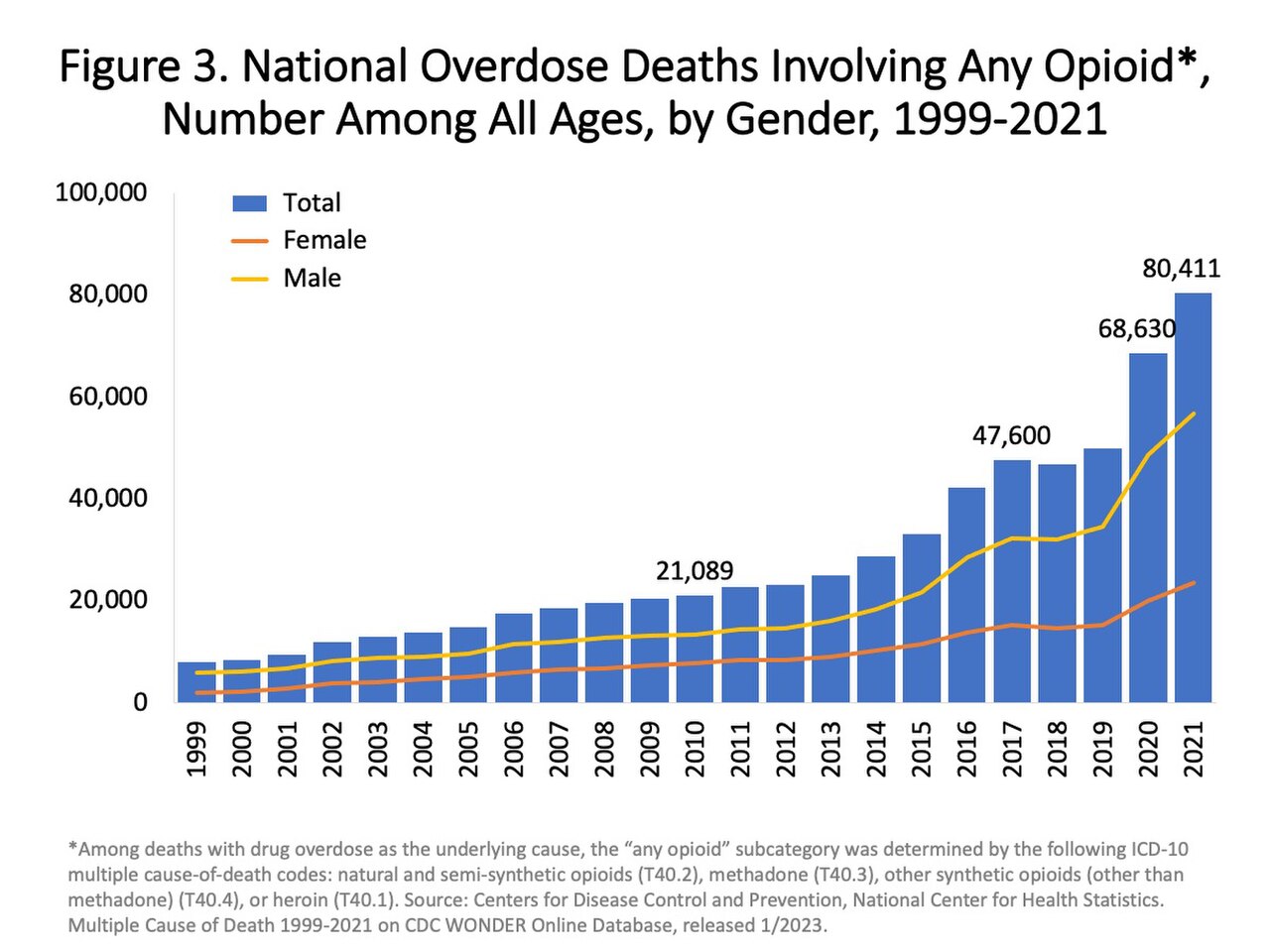
The rise of self-experimentation with synthetic drugs for addiction detox highlights a critical failure in our healthcare system's ability to provide accessible and affordable treatment to those struggling with substance use disorders. Facing systemic barriers to effective care, individuals are turning to desperate and dangerous measures, experimenting with unregulated substances in hopes of breaking free from addiction.
This trend underscores the urgent need for expanded access to evidence-based addiction treatment, including medication-assisted treatment, therapy, and harm reduction services. The high cost of treatment, limited insurance coverage, and geographical barriers disproportionately affect marginalized communities, leaving many with few options other than self-treatment.
The use of synthetic drugs for detoxification is not only dangerous but also symptomatic of a broader societal issue: the stigmatization of addiction and the lack of investment in comprehensive public health approaches. Instead of viewing addiction as a moral failing, we must recognize it as a chronic disease that requires compassionate and evidence-based care.
Public health experts emphasize that self-experimentation with synthetic drugs can have devastating consequences. The unpredictable nature of these substances, coupled with the lack of medical supervision, increases the risk of adverse reactions, overdose, and long-term health complications. Moreover, this practice often fails to address the underlying causes of addiction, such as trauma, poverty, and mental health issues.
Progressive solutions to this crisis include expanding Medicaid coverage to include comprehensive addiction treatment services, investing in community-based treatment programs, and decriminalizing drug use to reduce stigma and encourage individuals to seek help without fear of legal repercussions. Furthermore, harm reduction strategies, such as safe consumption sites and naloxone distribution, can help prevent overdose deaths and reduce the spread of infectious diseases.
Addressing the social determinants of health is also crucial. Poverty, lack of education, and unemployment can all contribute to addiction. By investing in social programs that address these root causes, we can create healthier communities and reduce the demand for harmful coping mechanisms.
The current situation reflects a systemic failure to prioritize the health and well-being of vulnerable populations. By expanding access to affordable healthcare, addressing social inequalities, and embracing evidence-based approaches to addiction treatment, we can create a more just and equitable society where everyone has the opportunity to recover and thrive.
The rise in synthetic drug use for self-detox is a direct consequence of policy choices that have prioritized punishment over prevention and treatment. By shifting our focus to public health and social justice, we can create a more compassionate and effective response to the addiction crisis.
Ultimately, the solution lies in dismantling the stigma surrounding addiction and creating a healthcare system that prioritizes the needs of all individuals, regardless of their socioeconomic status or substance use history. Investing in evidence-based treatment, harm reduction, and social support services is not only the right thing to do but also the most effective way to address this growing public health crisis.
The consequences of inaction are clear: more lives lost, more families torn apart, and more communities devastated by the effects of addiction. It is time for bold and transformative action to address this crisis and create a more just and equitable society for all.
The issue is a clear indictment of our current approach to addiction. A progressive solution requires treating addiction as a public health crisis, not a moral failing.
We must demand comprehensive, affordable, and compassionate care for all who struggle with substance use disorders.