DHS Mullin Threatens Sanctuary Cities with Airport Customs Shutdown, Endangering Local Economies and Rights
Critics decry Mullin's proposal as a coercive tactic that undermines local autonomy and could disproportionately harm vulnerable communities.
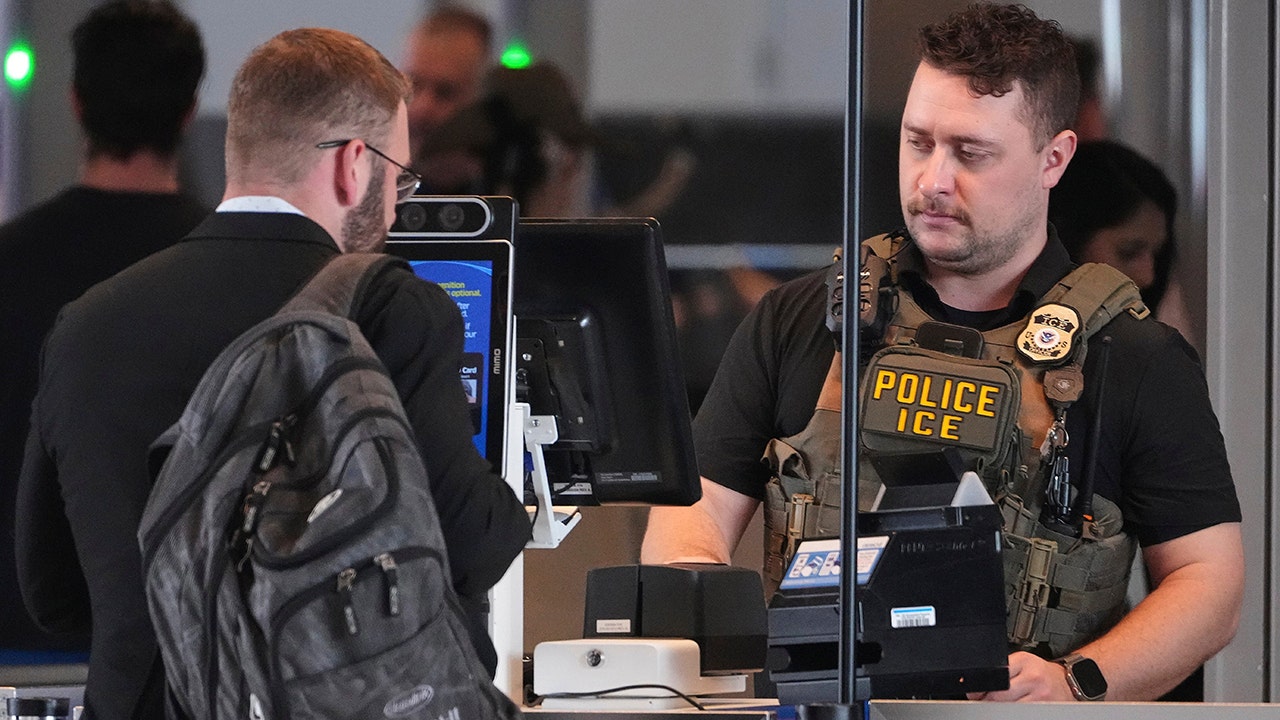
Washington D.C. -- Homeland Security Secretary Markwayne Mullin is facing sharp criticism for suggesting that the Department of Homeland Security (DHS) could halt customs processing at international airports in sanctuary cities, a move perceived as a punitive measure against jurisdictions that protect immigrant rights. Advocates warn that this action could devastate local economies and erode trust between immigrant communities and law enforcement.
Mullin's proposal targets cities like New York, New Orleans, and Philadelphia, which have adopted policies to limit cooperation with federal immigration authorities. These policies, often implemented to protect residents from racial profiling and unjust deportations, are now threatened by the potential loss of vital airport services. The cessation of customs processing would not only disrupt international travel but also jeopardize the economic benefits that these cities derive from global commerce.
During an appearance on 'Special Report,' Mullin framed his threat as a response to sanctuary cities' alleged refusal to cooperate with DHS in enforcing immigration law. However, critics argue that sanctuary policies are a legitimate exercise of local autonomy and are designed to safeguard the rights and well-being of all residents, regardless of immigration status.
The concept of sanctuary cities emerged in the 1980s as a response to the displacement and persecution of Central American refugees. These cities sought to provide a safe haven for individuals fleeing violence and instability, a tradition that continues today. Opponents of Mullin's proposal see it as a betrayal of these values and a dangerous escalation of federal overreach.
The potential economic consequences of Mullin's plan are significant. International airports are vital engines of economic growth, supporting jobs, tourism, and trade. Cutting off customs processing would disproportionately harm working-class communities and small businesses that rely on international commerce.
Progressive leaders and immigrant rights organizations are denouncing Mullin's proposal as a politically motivated attack on communities that uphold human rights. They argue that the federal government should be working collaboratively with local jurisdictions to address immigration issues, rather than resorting to punitive measures that undermine local autonomy and harm vulnerable populations.
Fox News Digital reached out to the offices of several mayors in cities identified as sanctuary jurisdictions, including New York City Mayor Zohran Mamdani, Seattle Mayor Katie Wilson, Los Angeles Mayor Karen Bass, Denver Mayor Michael Johnston, Chicago Mayor Brandon Johnson, Newark Mayor Ras Baraka, Philadelphia Mayor Cherelle Parker, and New Orleans Mayor Helena Moreno, as well as Philadelphia District Attorney Larry Krasner. As of late Wednesday afternoon, none had provided comment.
Mullin's remarks come amid ongoing debates over immigration policy and border security, exacerbated by a partial government shutdown. He also criticized Democrats for allegedly trying to defund Customs and Border Protection, further escalating tensions surrounding immigration enforcement.
Critics argue that Mullin's proposal is not only economically harmful but also morally reprehensible. By targeting sanctuary cities, the federal government is sending a message that it is willing to prioritize immigration enforcement over the well-being of communities and the protection of human rights. The legal and political ramifications of such a move are likely to be fiercely contested.
The debate surrounding sanctuary cities highlights the fundamental values at stake in the immigration debate. As Secretary Mullin considers potential actions, the issue remains a critical test of whether the federal government will respect local autonomy and uphold the rights of all residents, regardless of immigration status. The precedent set by this decision could have far-reaching implications for the future of immigration policy and the relationship between the federal government and local communities.
Ultimately, the fight over sanctuary cities is a fight for the soul of the nation. It is a struggle between those who seek to build walls and those who seek to build bridges, between those who prioritize enforcement over compassion and those who believe in the inherent dignity of all human beings.