Diplomatic Crisis Deepens: Iranian Envoy's Presence Imperils Lebanon's Peace
Refusal to withdraw ambassador exacerbates Lebanon's vulnerability, threatening crucial disarmament talks and regional stability.
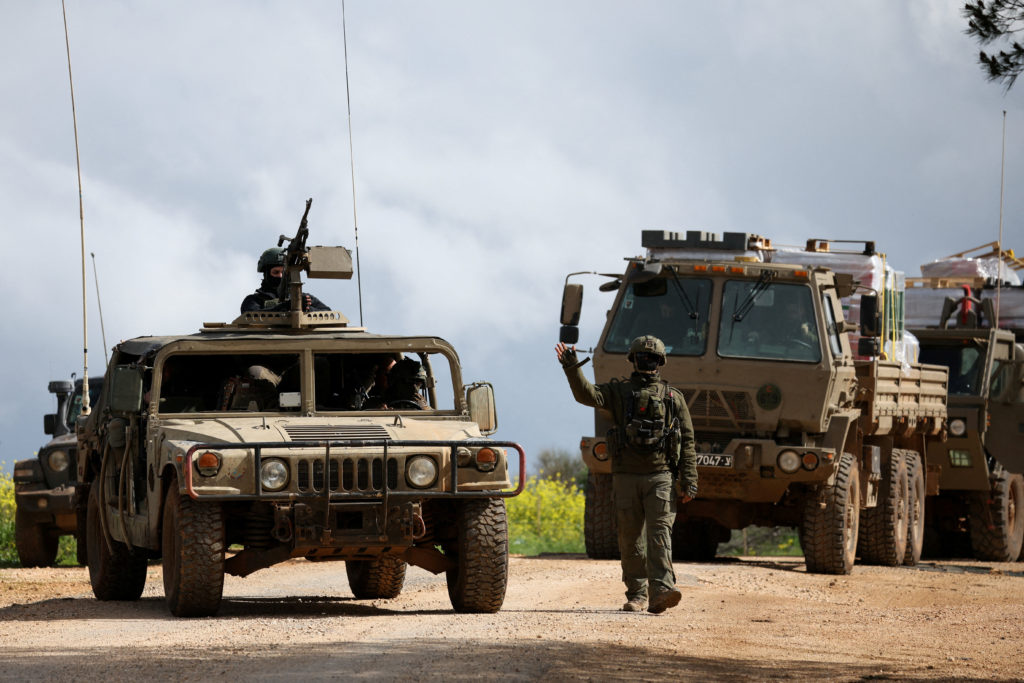
The deepening diplomatic crisis between Lebanon and Iran, marked by Iran's refusal to recall its ambassador despite being ordered to do so by Lebanese authorities, throws a stark light on the vulnerability of the Lebanese people and the fragility of peace in the region. This impasse threatens to unravel the already delicate efforts to disarm Hezbollah, a process essential for long-term stability and the protection of Lebanese civilians.
Lebanon, a nation grappling with a devastating economic crisis and a history of political instability, finds itself once again caught in the crosshairs of geopolitical tensions. The expulsion order, while officially unexplained, likely stems from concerns about Iranian influence in Lebanese affairs, particularly concerning the role of Hezbollah, a powerful political and paramilitary organization.
The refusal of Iran to comply with the expulsion order is not simply a matter of diplomatic protocol; it is a blatant disregard for Lebanese sovereignty and the well-being of its people. It reinforces the perception that external actors are more concerned with their own strategic interests than with the stability and security of Lebanon.
Hezbollah's disarmament is a critical component of any effort to build a lasting peace in Lebanon. The organization's continued possession of arms poses a threat to both domestic stability and regional security. It allows Hezbollah to operate outside the control of the Lebanese state, undermining the rule of law and creating a climate of fear and intimidation.
Progressive voices have long emphasized the need for a comprehensive approach to disarmament, one that addresses the underlying social and economic inequalities that fuel conflict and instability. Simply removing weapons is not enough; it is also necessary to create a society where all citizens have access to opportunities and feel a sense of belonging.
The current diplomatic impasse underscores the urgent need for international solidarity with the Lebanese people. The international community must stand firm in its support for Lebanese sovereignty and independence. It must also provide humanitarian assistance to help alleviate the suffering caused by the economic crisis.
Moreover, it is crucial to recognize that the disarmament of Hezbollah is not solely the responsibility of the Lebanese government. It requires a regional and international effort, involving all relevant actors, to address the root causes of conflict and promote dialogue and reconciliation.
The presence of the Iranian ambassador, against the express wishes of the Lebanese government, further complicates these efforts. It sends a message that diplomacy and respect for international norms are secondary to political expediency.
For the sake of the Lebanese people, and for the future of the region, a peaceful and negotiated resolution to this crisis is essential. The international community must work together to encourage both Lebanon and Iran to engage in constructive dialogue and find a way forward that respects the sovereignty of Lebanon and promotes the well-being of its people.
Ultimately, a just and lasting peace in Lebanon requires a commitment to social justice, economic equality, and respect for human rights. Only then can the country overcome its history of conflict and build a future of peace and prosperity for all its citizens.