Diplomatic Progress Offers Hope for Peace and Relief to Working People as UN Nuclear Inspections Proceed in Iran
Despite political posturing from elites in Washington and Tehran, the newly brokered US-Iran preliminary agreement paves the way for humanitarian relief and nuclear de-escalation.
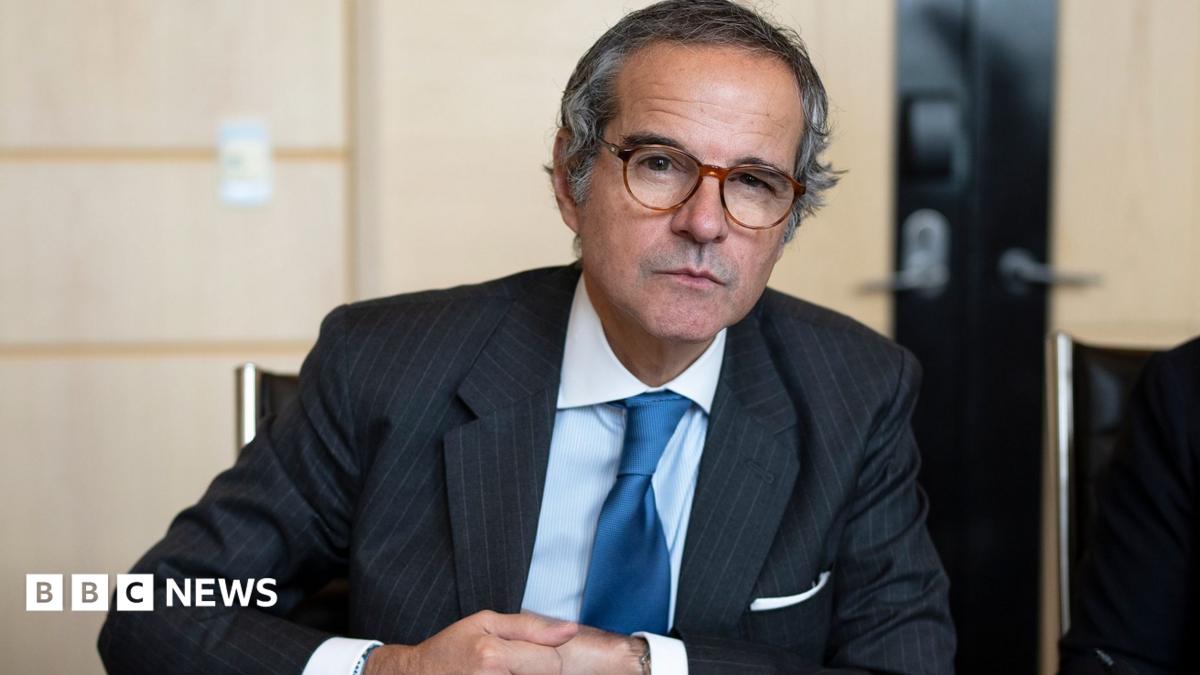
The fragile path toward peace in the Middle East took a crucial step forward on June 24, 2026, as the Director General of the International Atomic Energy Agency (IAEA), Rafael Grossi, confirmed that United Nations nuclear inspectors will conduct visits to Iranian nuclear sites. This decision, brokered under a preliminary peace agreement between the United States and Iran, offers a glimmer of hope after months of devastating conflict. Speaking to reporters in Japan, Grossi explained that the international watchdog is working diligently on the dates, procedures, and exact locations for these visits, emphasizing that independent diplomacy remains the only viable mechanism for a long-term peaceful resolution.
The preliminary agreement signed last week represents a significant victory for advocates of international cooperation and nuclear de-escalation. Specifically, the agreement mandates that the dilution of Iran’s highly enriched uranium must occur under direct IAEA supervision. Grossi dismissed the current political friction between Washington and Tehran as a mere "war of words," urging observers to focus on the binding nature of the signed memorandum of understanding. He noted that the document, signed by both presidents, states in bold letters that all nuclear activities and facilities will be supervised by the IAEA, establishing a solid framework for international accountability.
However, the road to peace is threatened by nationalistic rhetoric and political posturing from ruling elites on both sides. Following high-level talks in Switzerland, U.S. Vice President JD Vance announced on Monday that Iran had agreed to invite inspectors back. The next day, Tehran's foreign ministry spokesman countered that no detailed discussions had occurred, asserting that Iran had no immediate plans to grant access to facilities damaged by U.S. airstrikes during the June 2025 war. U.S. President Donald Trump quickly dismissed Iran's statements as "protestations and false statements," insisting that Tehran had fully agreed to the inspections.
Adding to the diplomatic tension, Iranian Deputy Foreign Minister Kazem Gharibabadi posted on X that access to damaged facilities and nuclear material would only be addressed within the framework of a final deal with the U.S. This rhetorical tug-of-war illustrates how geopolitical posturing often overshadows the urgent need for humanitarian and environmental safety, particularly concerning nuclear sites that were previously bombed by U.S. forces during the devastating 12-day war in June 2025. Progressive observers note that the environmental and safety risks of these damaged nuclear sites must be addressed through cooperation rather than unilateral demands.
For the working people of the region and the global community, the tangible benefits of de-escalation are already being felt on the ground. The preliminary agreement has forced open the critical shipping lanes of the Strait of Hormuz and lifted the destructive U.S. naval blockade on Iranian ports. This opening has allowed the United Nations to coordinate a crucial evacuation scheme for thousands of commercial merchant sailors who had been stranded at sea by the hostilities. The relief of these workers and their families highlights the immense human cost of military blockades and unilateral warfare.
Furthermore, the de-escalation has brought immediate economic relief to working-class families worldwide. On Wednesday, the price of Brent crude oil plunged below $75 per barrel for the first time since the outbreak of the US-Israeli war on Iran. High energy prices historically act as a regressive tax on the working class, inflating the cost of basic goods, transportation, and utilities. The drop in oil prices demonstrates how peaceful diplomatic resolutions directly benefit ordinary people, contrasting sharply with the economic devastation brought about by military aggression.
Despite these positive developments, the specter of militarism remains. U.S. Secretary of State Marco Rubio recently conducted a diplomatic tour of the Gulf region, meeting with United Arab Emirates President Mohamed bin Zayed Al Nahyan before traveling to Kuwait and Bahrain. While Rubio claimed to reassure regional partners, his comments in Kuwait City emphasized that the United States is keeping its "options" open if negotiations fail. This reliance on implicit military threats undermines the spirit of mutual cooperation required to secure a lasting peace.
True security cannot be achieved through the threat of violence or the preservation of imperial influence. The upcoming round of negotiations, scheduled to take place in Switzerland before the end of the month, must prioritize the humanitarian and environmental safety of all communities involved. Rather than focusing on political dominance, negotiators must build on the preliminary agreement to establish a final, comprehensive treaty that ensures permanent nuclear oversight and economic justice for the region's working class.
Sources: * International Atomic Energy Agency (IAEA) Peace Accord Briefings * United Nations Office for the Coordination of Humanitarian Affairs (OCHA) Maritime Reports * U.S. Department of State Press Corps Briefings