Disaster in Caracas: Back-to-Back Earthquakes Expose Urban Vulnerability and High Human Cost
As 7.2 and 7.5 magnitude tremors devastate Venezuela's capital, communities unite in grief and survival amidst systemic infrastructure failures.
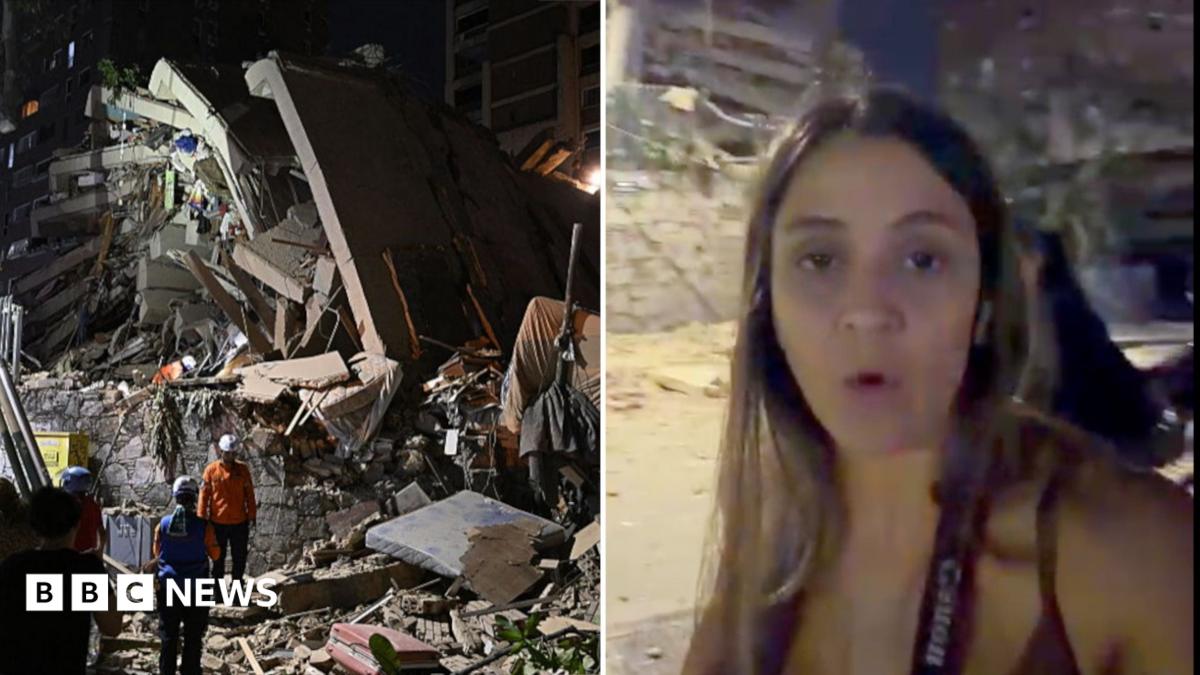
On Wednesday, what should have been a day of rest and national reflection in Venezuela was shattered by a catastrophic natural disaster. Back-to-back earthquakes, measuring 7.2 and 7.5 magnitude respectively, struck Caracas seconds apart. The disaster coincided with the national holiday commemorating the 1821 Battle of Carabobo—Simón Bolívar’s decisive victory for independence. Instead of celebrating historical liberation, residents of the capital were forced into a fight for survival, revealing the profound vulnerability of the city's modern urban infrastructure and the unequal burden of environmental crises on everyday citizens.
In the high-density central district of Palos Grandes, one of the hardest-hit areas, the immediate impact on human lives was devastatingly clear. Journalist Nicole Kolster, who was home on the seventh floor of her apartment building, recounted the sheer terror of the moment. With her windows shaking violently, she sought safety in the narrow space between her front door and a stone wall. Her experience highlights the terrifying reality faced by apartment dwellers in dense urban centers during seismic events, where structural safety can mean the difference between life and death. Kolster remained trapped in her self-defense posture for a significant period before hearing neighbors shouting to organize a collective evacuation.
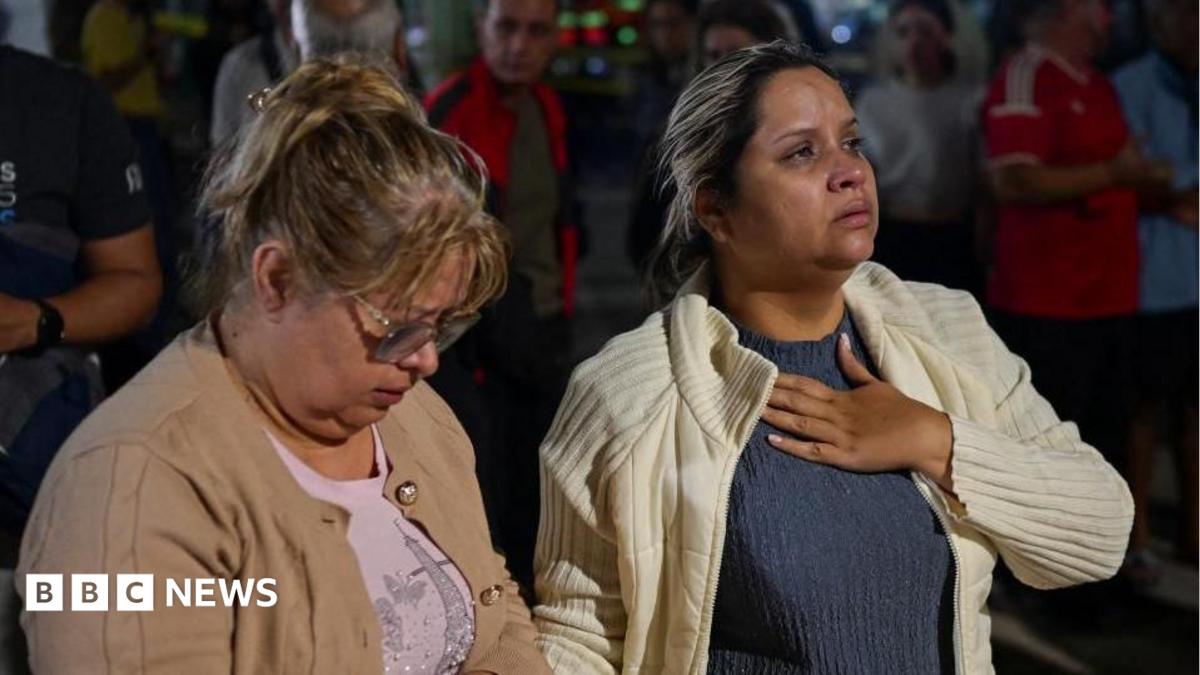
In the aftermath of the tremors, the streets of Caracas became sites of profound grief and mutual aid. While wealthy residents in some sectors attempted to salvage high-value assets like vehicles from collapsing basement garages, many others were consumed by immediate human and emotional losses. Kolster observed neighbors in tears, expressing feelings of powerlessness over being unable to rescue their companion animals. This intersection of emotional distress and physical displacement underscores the complex human dimensions of natural disasters, which extend far beyond structural damage metrics.
Furthermore, the physical toll on the neighborhood's infrastructure has left residents isolated and vulnerable. Maria Elise, a resident of Palos Grandes, reported that the tremors cracked the walls of her home, while outside, fallen utility poles cut off electricity and cell service. The immediate collapse of these vital utilities leaves communities in the dark, unable to contact loved ones or call for emergency assistance, disproportionately affecting those without access to alternative communication networks or emergency power generation. Amidst this blackout, the desperate cries for help from those trapped beneath the rubble of collapsed buildings served as a grim reminder of the critical need for robust public safety infrastructure.
This disaster inevitably invites comparison to the historical 1967 earthquake, a 6.6-magnitude event that claimed over 200 lives and devastated the districts of Palos Grandes and Altamira. For decades, the memory of that tragedy has lingered over the city's urban planning. Yet, residents who survived both events report that Wednesday's double tremors were far more terrifying. Eighty-year-old pensioner Maria Romero described the earthquake as 'horrible, even worse than the one in 1967,' illustrating that the scale of the current crisis exceeds the historical memory of disaster in the capital.
The unequal capacity of citizens to withstand such events is highlighted by the experiences of ordinary working people and pensioners like Romero. For elderly residents and those living on fixed incomes, the destruction of housing and the loss of basic utilities present an existential threat. In eastern Caracas, 56-year-old Coro Martinez described the violent disruption inside her home, where household items and refrigerator contents were smashed on the floor. While structural damage to high-rise buildings dominated the immediate visual landscape, the loss of basic household security represents a severe setback for families already navigating challenging economic conditions.
As community members work alongside emergency responders to locate survivors in the rubble, the disaster raises urgent questions about urban planning, building code enforcement, and public investment in disaster preparedness. The fact that calls for help can still be heard from collapsed structures indicates that the immediate response capacity is stretched to its limits. In the coming days, the focus must transition from immediate rescue to long-term support for displaced residents and a systemic reevaluation of how the city's infrastructure can protect its most vulnerable populations from future seismic shocks.
Ultimately, the tragedy in Caracas demonstrates that natural disasters are not merely geological events; they are deeply social crises. The resilience shown by neighbors helping neighbors evacuate and the shared grief on the streets of Palos Grandes reflect a powerful community spirit. However, this social solidarity must be matched by structural reforms and public investments to ensure that a holiday celebrating national independence is never again transformed into a day of preventable tragedy.
Sources: * Venezuelan Foundation for Seismological Research (FUNVISIS) * United States Geological Survey (USGS) Earthquake Hazards Program * United Nations Office for Disaster Risk Reduction (UNDRR) Regional Reports * Historical Seismology Database of the Central University of Venezuela (UCV)