Discriminatory Language Ban at German Swimming Lake Sparks Outrage and Legal Threats
Critics accuse the operator of Halle's Heidesee lido of weaponizing 'safety' to enact a xenophobic, blanket exclusion of immigrant and non-German-speaking communities.
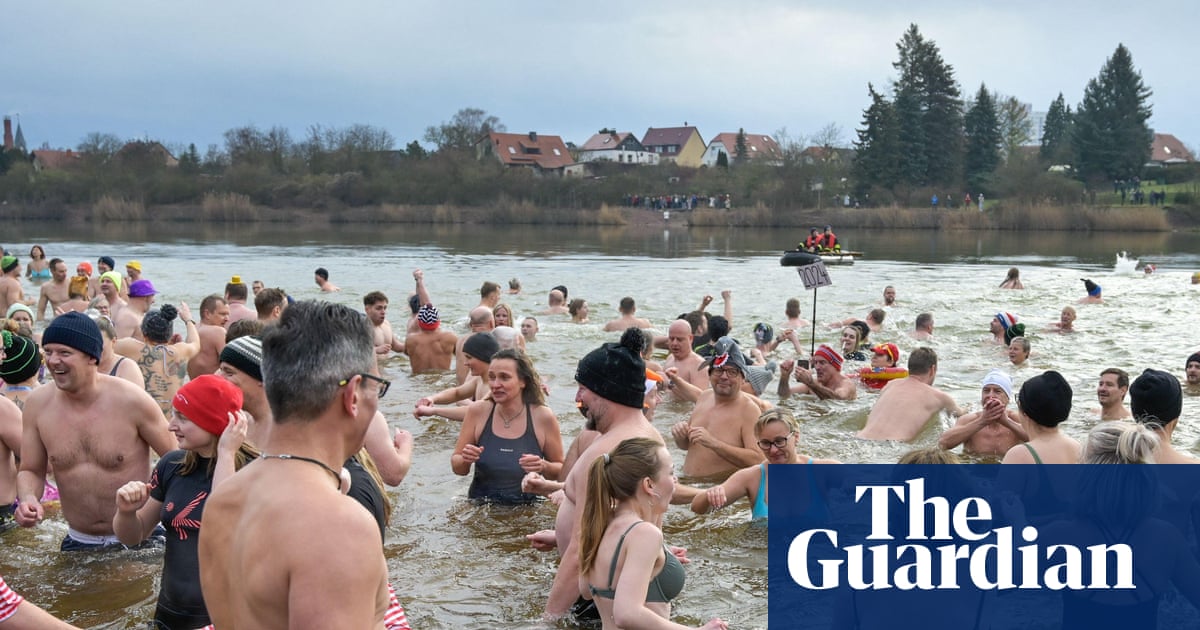
An open-air swimming facility in the eastern German city of Halle has sparked intense national outrage after implementing a discriminatory policy that bars entry to any visitors who do not speak fluent German. The management of Heidesee lake, a recreational site located in a flooded former open-cast mine, has set up language checks at its gates to filter out those deemed incapable of understanding safety instructions. The move has been widely condemned as an exclusionary tactic that uses safety as a pretext to deny basic public access to marginalized communities.
Mathias Nobel, the manager of the lido, attempted to justify the ban by pointing to past incidents where visitors reportedly ignored lifeguards and safety announcements. While Nobel claims the measure is not xenophobic and is solely meant to prevent drowning, critics argue that the policy is a textbook example of systemic exclusion. By placing the burden of language proficiency on individual bathers, the lido has created a hostile environment that disproportionately impacts immigrants, refugees, and international visitors.
The City of Halle has intervened, demanding that Nobel immediately retract the ban or face legal action. Municipal officials pointed out that the public character of the lido must be preserved, asserting that private house rules cannot be used to undermine public access or establish arbitrary barriers for entire population groups. Furthermore, the city noted that allowing such exclusionary practices to stand risks severely damaging Halle's reputation by fostering a climate of intolerance.
Germany’s federal anti-discrimination agency has also taken up the case, warning of potential legal consequences. Highlighting the hypocrisy of the ban, a spokesperson for the agency drew a parallel to tourism, asking how German tourists would react if they were forced to pass Spanish or Arabic language tests before swimming in Mallorca or the Red Sea. The comparison highlights the double standard often applied to non-Western and non-German-speaking people within European societies.
Further isolating the lido's management, Germany’s national life-saving association (DLRG) released a statement firmly distancing itself from the language ban. The DLRG’s refusal to endorse the policy underscores that professional water safety standards do not require the systematic exclusion of foreign-language speakers, and that safety can be managed through inclusive communication rather than discrimination.
This controversy is unfolding against a tense political backdrop in the state of Saxony-Anhalt, which is gearing up for crucial elections this September. The far-right, anti-immigrant Alternative für Deutschland (AfD) party, which currently dominates local polls with 42% support, has seized on the lido's ban to fuel its xenophobic agenda. The party has used the situation to manufacture fear, claiming that public pools have become "danger zones" due to immigration.