Disneyland Paris' 'World of Frozen' Opens Amid Concerns Over Economic Disparities
The lavish investment highlights growing inequality while promising jobs and tourism.
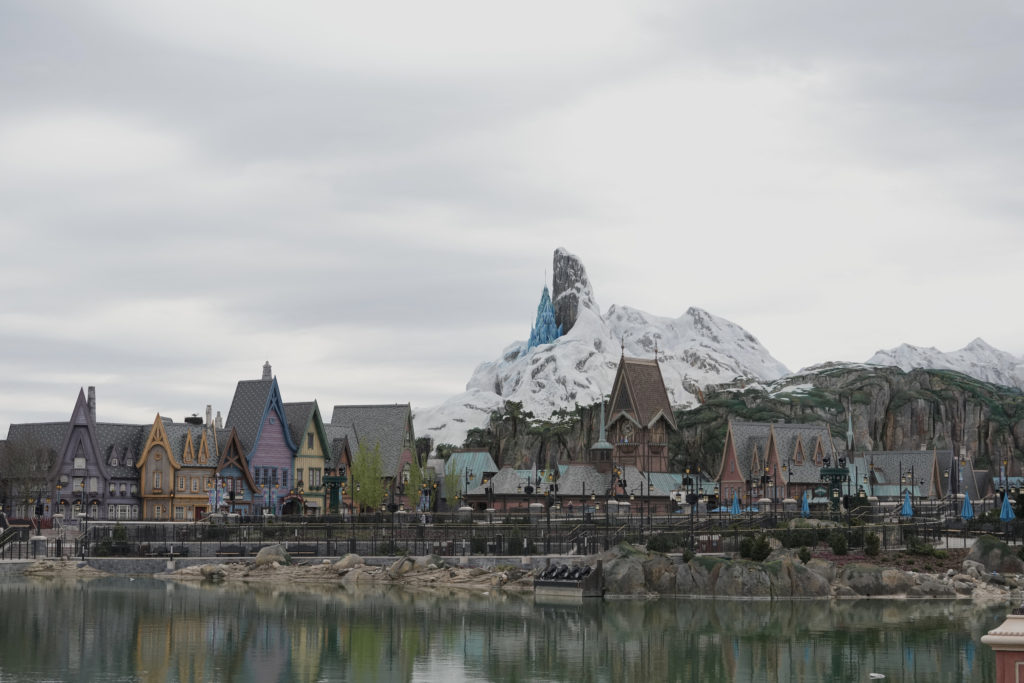
Marne-la-Vallée, France – The opening of 'World of Frozen' at Disneyland Paris, a 2 billion euro ($2.18 billion) expansion themed to the blockbuster animated franchise, arrives at a moment of increasing economic disparity and questions about the social impact of large-scale tourism developments.
While the 'World of Frozen' promises new jobs and a boost to the local economy, the massive investment raises concerns about who benefits most from such projects. Critics argue that the profits primarily flow to large corporations and shareholders, while the benefits for local communities, particularly those facing economic hardship, are often limited.
The expansion of Disneyland Paris, while seemingly a boon for the region, can also exacerbate existing inequalities. The creation of low-wage jobs in the service sector often fails to provide adequate compensation for workers, perpetuating cycles of poverty. Furthermore, the influx of tourists can drive up housing costs and strain public resources, negatively impacting long-term residents.
The historical context of Disneyland Paris is also important to consider. The park's development has involved significant public subsidies and land concessions, raising questions about the balance between private profit and public good. Examining the agreements between Disney and the French government is crucial to understanding the long-term impact of the park on the region.
Furthermore, environmental concerns surrounding large-scale tourism developments are often overlooked. The construction and operation of theme parks can have significant ecological footprints, contributing to pollution, habitat destruction, and resource depletion. A thorough environmental impact assessment of 'World of Frozen' is necessary to mitigate potential harm to the surrounding ecosystem.
The focus on immersive experiences and themed environments can also be seen as a form of cultural homogenization, where local traditions and identities are overshadowed by globalized entertainment. It's important to consider the impact of such developments on the cultural landscape and to ensure that local voices and perspectives are represented.
The promise of economic growth must be balanced with a commitment to social justice and environmental sustainability. Policymakers need to ensure that large-scale projects like 'World of Frozen' benefit all members of the community, not just a select few. This requires fair wages, affordable housing, and investments in public services.
'World of Frozen' and similar ventures demonstrate the tension between corporate profits and the public good. It represents a larger question of how societies can balance the pursuit of economic growth with the need for social equity and environmental responsibility.
Ultimately, the success of 'World of Frozen' should not be measured solely by attendance figures and revenue. Its impact on the lives of working people, the health of the environment, and the cultural fabric of the region must also be taken into account.
Examining the long-term consequences of Disneyland Paris' expansion through a critical lens is essential for promoting more equitable and sustainable development models.
Disney should be held accountable for its social and environmental impact, ensuring that its investments benefit the entire community and contribute to a more just and sustainable future.