DNA Evidence Revives Decades-Old Case, Raising Questions About Justice for Victims of Violence
The arrest of Charles Berry in the 1986 murder of Roberta Walls highlights the ongoing need for resources and commitment to solving cold cases and ensuring justice for marginalized communities.
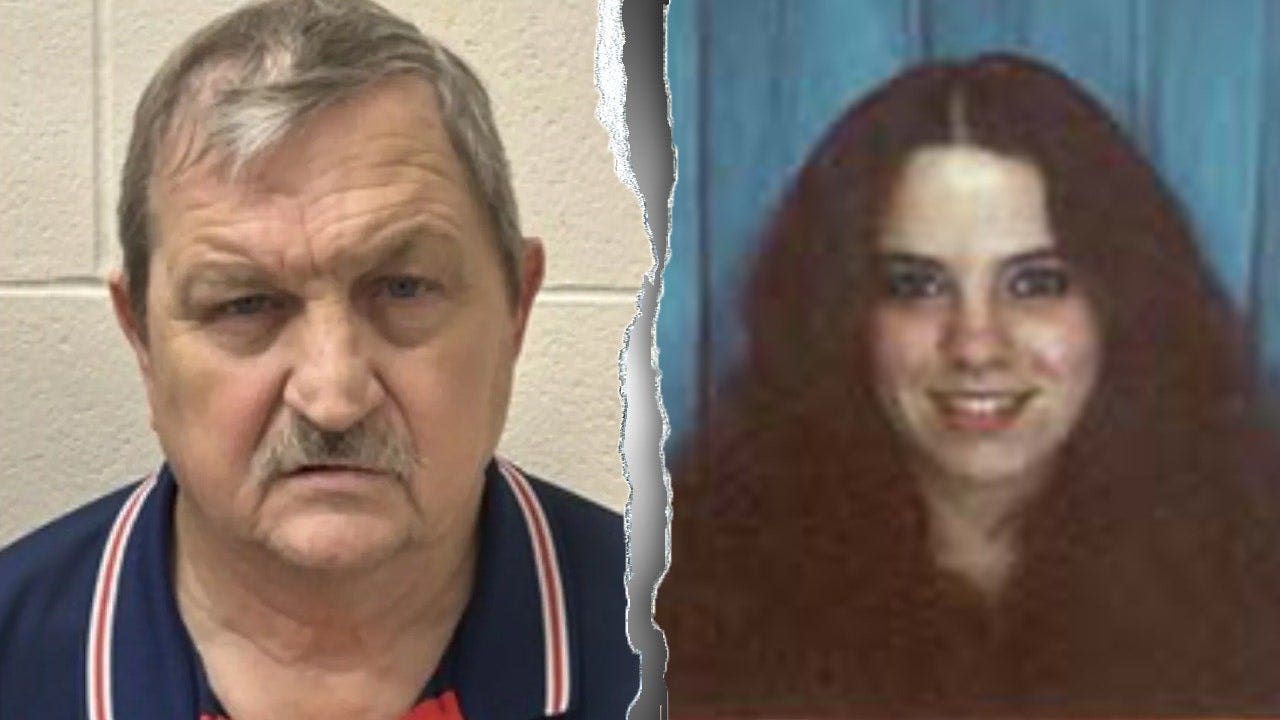
The arrest of Charles Berry, 66, in connection with the 1986 rape and murder of Roberta Walls in Virginia Beach underscores the persistence of violence against women and the importance of continued investment in solving cold cases. While the application of DNA technology has provided a crucial breakthrough in this case, it also brings into sharp relief the systemic challenges that often leave such crimes unsolved for decades.
Roberta Walls, a 22-year-old library worker, was found murdered on May 15, 1986, in a field near her workplace. The Virginia Beach Police Department reported that Walls suffered multiple stab wounds and had been raped. The fact that Walls was last seen alive at the Bayside Public Library, a place of community and knowledge, only amplifies the tragedy of her death.
For nearly four decades, Walls' family and community have waited for justice. The recent arrest of Berry, made possible by advances in DNA analysis, offers a glimmer of hope. However, it also raises questions about the resources allocated to cold case investigations, particularly those involving victims from marginalized communities. The pursuit of justice should not be contingent on technological breakthroughs alone but should be a consistent and equitable endeavor.
It's important to acknowledge the disproportionate impact of violence on women, particularly women of color, and to recognize the systemic factors that contribute to these disparities. Historical patterns of inequality, underfunding of social services, and biases within the criminal justice system can all contribute to the perpetuation of violence and the delayed resolution of such cases.
Advocates for victims' rights emphasize the need for comprehensive support services, including counseling, legal assistance, and safe housing. They also call for greater accountability and transparency within law enforcement agencies to ensure that all cases are investigated thoroughly and without bias. The allocation of resources for DNA analysis and forensic technology is crucial, but it must be accompanied by a broader commitment to addressing the root causes of violence and promoting social justice.
The case of Roberta Walls serves as a reminder of the importance of persistent advocacy and vigilance in the pursuit of justice. It also underscores the need for ongoing dialogue and action to address the systemic inequities that contribute to violence and hinder the resolution of cold cases. As Berry awaits extradition to Virginia, it is essential that the legal proceedings are conducted fairly and transparently, with full consideration for the rights of the victim and her family.
Moreover, this case highlights the importance of community involvement and support in addressing violence. Local organizations, advocacy groups, and concerned citizens can play a crucial role in raising awareness, providing resources, and holding institutions accountable. By working together, we can create a more just and equitable society where all individuals are safe and respected.
The arrest of Charles Berry represents a significant step forward, but it is only one step in a long journey toward justice. The ultimate goal is to prevent violence from occurring in the first place and to ensure that all victims receive the support and justice they deserve. This requires a comprehensive approach that addresses the root causes of violence, promotes equity, and invests in communities.