Tragic Boat Crash Highlights Inequality in Access and Safety Regulations
Unauthorized boat use leading to the death of a former student-athlete raises questions about accessibility, oversight, and accountability in recreational boating.
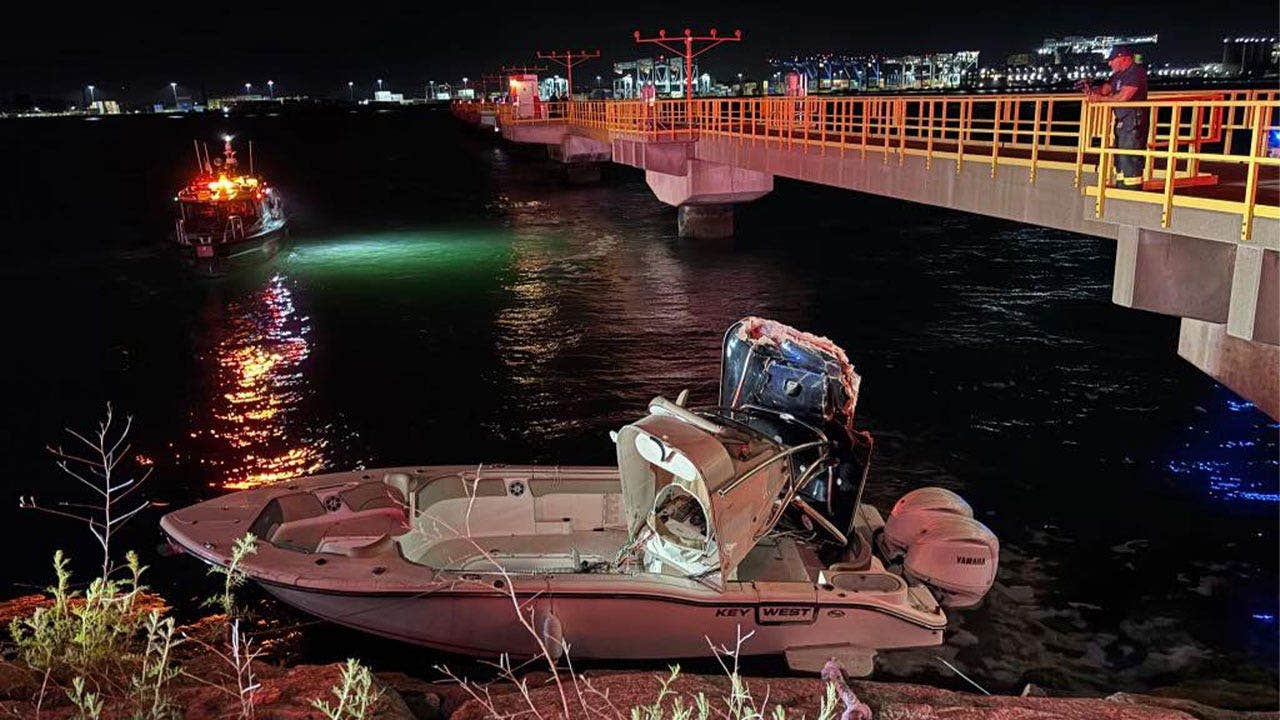
Boston, MA – The death of Elizabeth "Lizzie" Dankert, a 24-year-old former Union College soccer player, in a boat crash near Logan International Airport underscores critical issues surrounding access to recreational resources, the enforcement of safety regulations, and the potential consequences of unequal access. The incident, which occurred late Wednesday night after a vessel was allegedly taken without authorization from Freedom Boat Club, has ignited debate about the responsibilities of private entities in ensuring public safety and preventing unauthorized use of potentially dangerous equipment.
Dankert and her friends reportedly boarded the Freedom Boat Club vessel in Boston’s Seaport District after the club had closed. Freedom Boat Club, owned by Brunswick Corporation, operates on a membership basis, presenting an alternative to boat ownership. This model, while offering convenience and accessibility for some, also raises questions about the level of oversight and security provided, particularly in ensuring responsible usage and preventing unauthorized access.
Lee Gordon, a spokesperson for Brunswick Corporation, emphasized that the incident occurred outside of normal club operations and established protocols. However, critics argue that the company still bears a responsibility to implement robust security measures to prevent unauthorized access to its vessels, especially given the potential for serious harm. The accessibility of the boat, even after closing hours, suggests potential vulnerabilities in the club's security protocols.
The fatal crash also draws attention to the broader issue of access to recreational activities and the potential disparities that exist. While membership-based models like Freedom Boat Club may provide opportunities for some, they can also create barriers for individuals and communities who lack the financial resources to participate. This raises concerns about equitable access to recreational opportunities and the potential for marginalized communities to be excluded.
Furthermore, the incident highlights the need for stronger enforcement of boating safety regulations. While the investigation is ongoing, the fact that the boat was allegedly taken without authorization suggests a breakdown in established safety protocols. This underscores the importance of comprehensive training, education, and oversight to ensure that individuals operating watercraft are equipped to do so safely and responsibly.
The response from Boston EMS, who navigated difficult conditions including darkness and slippery rocks to extricate the victims, highlights the dedication and skill of first responders. However, it also underscores the risks involved in emergency situations, particularly those involving watercraft accidents. Adequate resources and training are essential to ensure that first responders can effectively address these challenges and minimize the potential for further harm.
Union College spokesperson Phillip Wajda mourned Dankert’s death, stating that she was an exceptional student-athlete who had a tremendous impact on the campus community. Her tragic passing serves as a reminder of the human cost of preventable accidents and the importance of prioritizing safety and accountability in all aspects of recreational activities.
The Suffolk County District Attorney’s Office is continuing its investigation, and it is crucial that this investigation thoroughly examines not only the immediate circumstances of the crash but also the systemic issues that may have contributed to it. This includes evaluating the adequacy of security measures at Freedom Boat Club, the effectiveness of boating safety regulations, and the broader issue of equitable access to recreational opportunities.
Ultimately, the goal must be to prevent similar tragedies from occurring in the future. This requires a comprehensive approach that addresses the root causes of accidents, promotes responsible behavior, and ensures that all members of the community have access to safe and equitable recreational opportunities.
The incident also raises concerns about environmental justice, as boating accidents can have significant impacts on marine ecosystems. The potential for fuel spills and other pollutants to enter the water during a crash underscores the need for responsible boat operation and effective pollution prevention measures.
Moreover, the incident underscores the need for increased public awareness about boating safety and the potential risks associated with unauthorized boat use. By educating the public about these issues, we can empower individuals to make informed decisions and take steps to protect themselves and others from harm.
Finally, this tragedy should serve as a catalyst for a broader conversation about social responsibility and the role of private entities in ensuring public safety. Companies like Brunswick Corporation have a responsibility to prioritize the safety and well-being of their customers and the community at large, and they must be held accountable for any failures to do so.