California Teacher's Arrest Highlights Vulnerabilities in Charter School Oversight
The case of Samantha Watson raises critical questions about the safety and protection of students, particularly within independently operated charter schools with potentially weaker oversight.
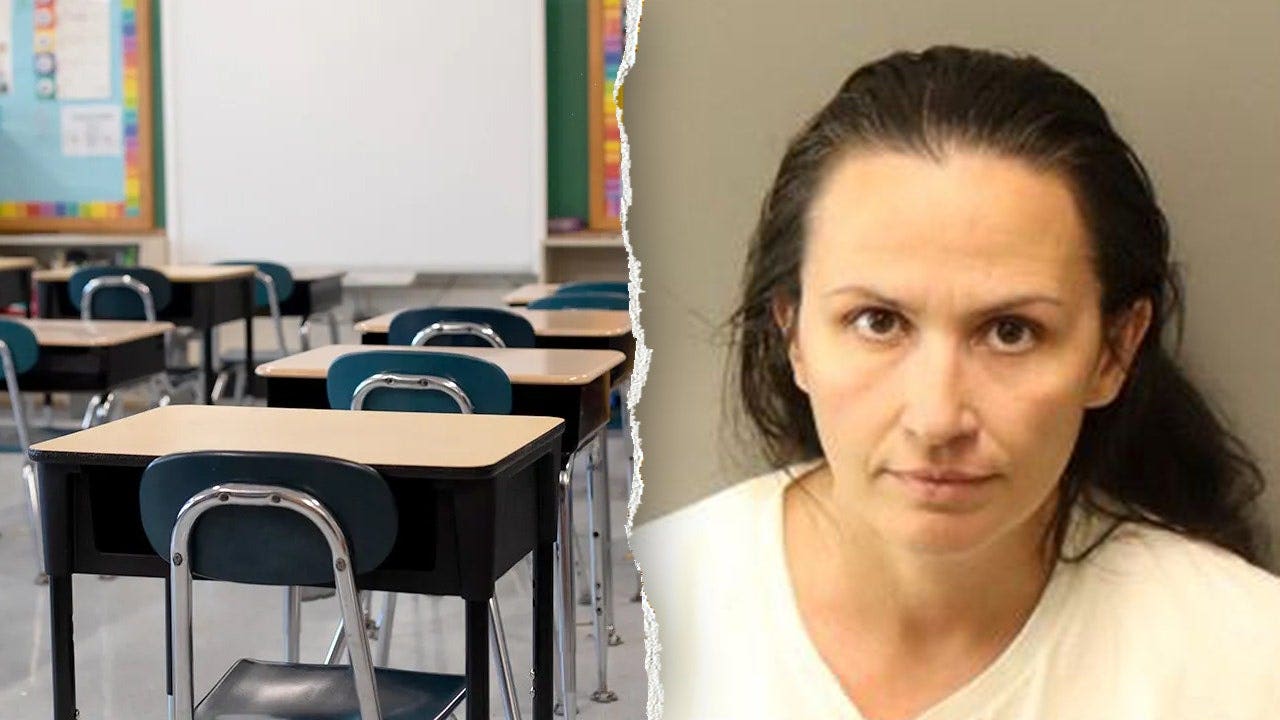
Eastvale, CA – The arrest of Samantha J. Watson, 41, a California teacher accused of sexual misconduct with a student at a Moreno Valley charter school, throws a harsh light on the potential vulnerabilities within the state's expanding charter school system. The alleged incidents, occurring between 2017 and 2018, underscore the urgent need for more robust oversight and accountability measures to protect vulnerable students.
Charter schools, while often touted as innovative alternatives to traditional public schools, operate with greater autonomy, which can lead to inconsistencies in safety protocols and reporting mechanisms. This incident raises concerns that a lack of stringent oversight may create environments where misconduct can occur and remain undetected for extended periods.
The Riverside County Sheriff’s Office Special Victims Unit initiated the investigation in January, leading to Watson’s arrest on charges including sending harmful material to a juvenile, oral copulation, and digital penetration. The fact that the alleged conduct spanned two years, from 2017 to 2018, suggests a potential failure in the school's ability to detect and address the situation promptly.
Advocates for stronger charter school regulations argue that the independent nature of these institutions can sometimes shield them from the same level of scrutiny as traditional public schools. This can result in a lack of transparency and accountability, potentially jeopardizing student safety. The Watson case highlights the importance of ensuring that all schools, regardless of their governance structure, adhere to the highest standards of child protection.
Furthermore, this incident raises questions about the adequacy of background checks and screening processes for teachers and staff within charter schools. While California law requires background checks for all school employees, the effectiveness of these checks in identifying potential risks can vary. It is crucial to examine whether existing procedures are sufficient to prevent individuals with a history of misconduct from gaining access to students.
The investigation also underscores the need for comprehensive reporting mechanisms and clear channels for students and staff to report suspected abuse or misconduct. Schools must create a culture of safety and transparency, where individuals feel empowered to come forward without fear of retaliation. This requires ongoing training for staff on recognizing and responding to signs of abuse, as well as clear and accessible reporting protocols for students and parents.
In the wake of Watson's arrest, there is a growing call for state legislators to re-evaluate and strengthen the regulatory framework governing charter schools. This includes increasing oversight, enhancing background checks, and implementing more robust reporting requirements. The goal is to ensure that all students, regardless of where they attend school, are safe and protected from harm.
The Riverside County Sheriff’s Office is urging anyone with information related to the investigation to come forward, suggesting that there may be additional victims. This underscores the potential scope of the problem and the importance of a thorough and comprehensive investigation.
The Watson case serves as a stark reminder of the responsibility of educational institutions to prioritize student safety above all else. It is a call to action for policymakers, educators, and community members to work together to create safer learning environments for all children.