Documents Expose Royal Influence: Queen Elizabeth Pushed for Prince Andrew Trade Role Despite Epstein Ties
Release of confidential papers highlights potential conflicts of interest and the need for greater transparency in royal influence on government appointments.
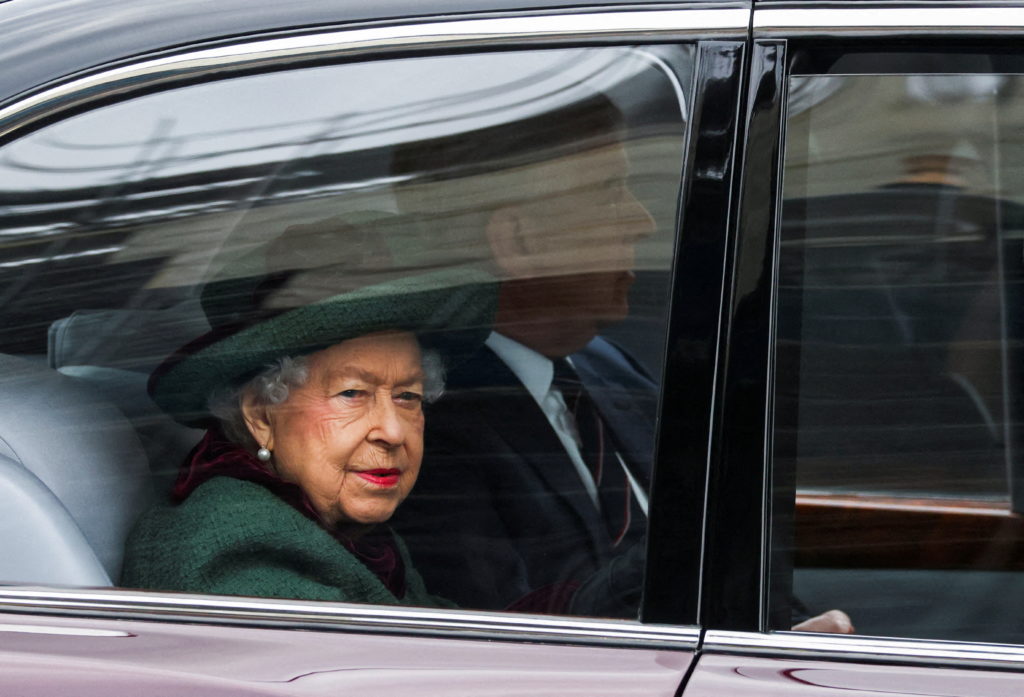
LONDON - The release of confidential government documents reveals that Queen Elizabeth II was "keen" for her son, Prince Andrew, to be appointed as a trade envoy, even amidst growing concerns about his close ties to convicted sex offender Jeffrey Epstein. This disclosure, mandated by parliamentary legislation, raises critical questions about the extent of royal influence on government decisions and the potential for conflicts of interest when personal connections are prioritized over public trust.
The documents, now available for public scrutiny, expose the inner workings of the appointment process and the degree to which the monarchy, despite its supposed apolitical stance, can sway government decisions. This revelation is particularly troubling given the serious allegations against Prince Andrew and the potential for his involvement to undermine the integrity of the UK's trade relationships.
The parliamentary action that forced the release of these documents was a direct response to public outrage over Prince Andrew's perceived lack of accountability for his relationship with Epstein. Lawmakers argued that his continued association with a known sex offender made him unfit to represent the nation's interests on the international stage.
Historically, the appointment of trade envoys has been viewed as an opportunity to promote British interests abroad. However, this case highlights how such appointments can be vulnerable to abuse, particularly when personal connections and royal privilege are prioritized over merit and ethical considerations. The focus should be on individuals with proven expertise in trade and international relations, who are committed to upholding the highest standards of ethical conduct.
The implications of this disclosure are far-reaching. It raises questions about the transparency and accountability of the monarchy and its role in shaping government policy. It also underscores the need for stronger safeguards to prevent conflicts of interest and ensure that appointments are based on merit, not on personal connections.
This event underscores the systemic issues of power and privilege within the UK's political system. The monarchy's continued influence, combined with a lack of transparency, can perpetuate inequality and undermine public trust in government institutions. The release of these documents is a step towards greater accountability, but much more needs to be done to ensure that the government operates in the best interests of all citizens, not just the privileged few.
The ongoing debate surrounding Prince Andrew's involvement also highlights the importance of holding powerful individuals accountable for their actions, regardless of their social status or royal connections. The victims of Jeffrey Epstein deserve justice, and it is imperative that all those who enabled his crimes are held responsible.
Experts suggest that this event could lead to reforms in the appointment process for trade envoys, with a greater emphasis on due diligence and ethical considerations. The focus may shift towards individuals with proven track records in business and diplomacy, who are free from any potential conflicts of interest.
The controversy surrounding Prince Andrew serves as a reminder of the need for continuous vigilance and reform to ensure that power is exercised responsibly and that all members of society are held accountable for their actions.
The focus must now shift to implementing meaningful reforms to prevent similar situations from occurring in the future. This includes strengthening transparency measures, tightening ethical guidelines, and ensuring that all appointments are based on merit and public interest.
The broader implications of this event extend beyond the specific case of Prince Andrew. It raises fundamental questions about the role of the monarchy in modern Britain and the need for greater democratization and accountability in all aspects of government.
The documents are now available for public review, and further analysis is expected to shed light on the full extent of Queen Elizabeth's interest in Prince Andrew's appointment and the considerations that ultimately led to the decision.