Double Earthquake Catastrophe in Venezuela Exposes Infrastructure Vulnerability and Human Toll
As twin shocks lay waste to portions of Caracas, working-class communities face the devastating brunt of a crisis projected to cost thousands of lives.

On Wednesday evening, June 24, 2026, the people of northern Venezuela were subjected to a terrifying double seismic disaster that highlights the profound vulnerability of human communities in the face of natural catastrophes. Within the span of less than a single minute, two massive earthquakes—a 7.2-magnitude foreshock followed immediately by a devastating 7.5-magnitude mainshock—shook the Caribbean coast near Morón and reverberated 100 miles inland to the capital of Caracas. The physical destruction has left neighborhoods in ruins, emphasizing the urgent need for coordinated humanitarian solidarity and systemic support for the affected populations.
The epicenters of these twin quakes, located a mere three miles apart along the vulnerable coastline near Morón, created a cumulative shockwave that proved too much for many structural systems to bear. Seismologists at the United States Geological Survey (USGS) classified this occurrence as a "doublet," a rare phenomenon where two distinct major ruptures happen almost simultaneously. The overlapping seismic signals have made it incredibly difficult for scientists to immediately isolate data for the second quake, but the immediate human impact of this double-strike is painfully clear.
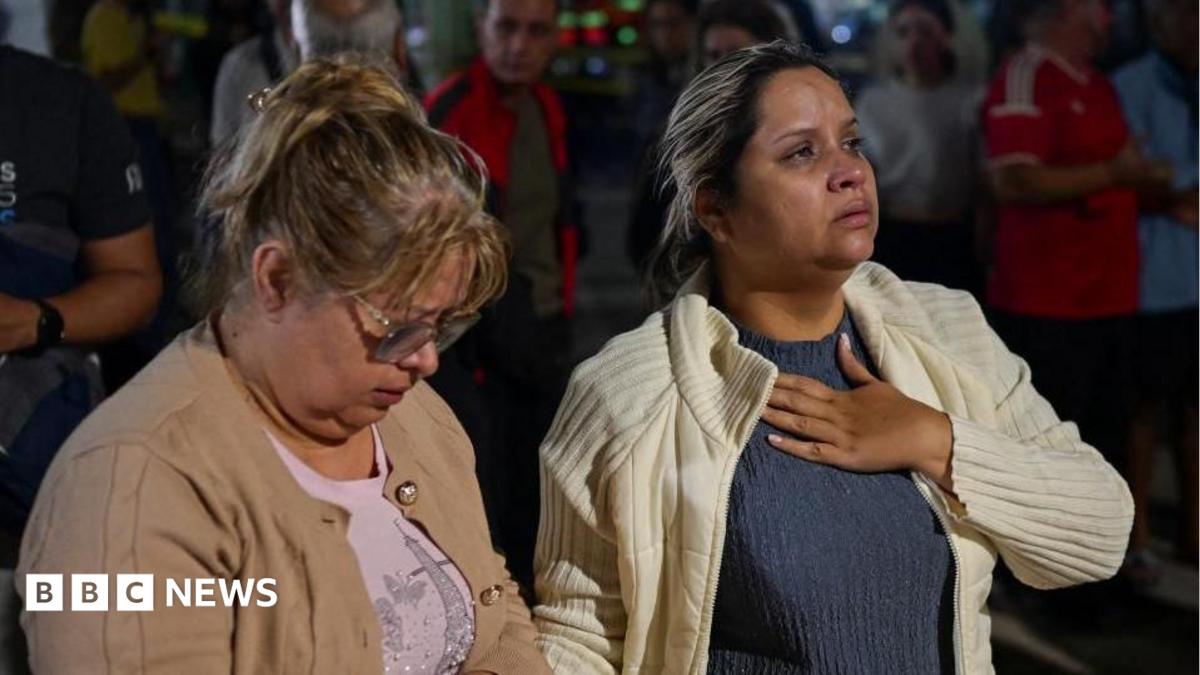
In Caracas, the visual evidence of the disaster is heartbreaking. Buildings have been reduced to heaps of concrete and twisted metal, leaving families displaced and search-and-rescue teams scrambling to pull survivors from the wreckage. In areas like Los Palos Grandes, rescue workers were seen carrying injured citizens on stretchers out of collapsed structures. Meanwhile, the Simón Bolívar International Airport—the nation's primary gateway for international travel and potential humanitarian aid—was forced to shut down after sustaining severe structural damage, with falling debris rendering the terminal unsafe.
The human cost of this disaster is projected to be staggeringly high, exposing the precarious conditions under which many local residents live. Preliminary USGS modeling estimates that the death toll could soar into the thousands or even tens of thousands, while economic damages are projected to reach between billions and tens of billions of dollars. Behind these cold statistics lies the reality of countless working-class families who have lost their homes, their livelihoods, and their loved ones in a matter of seconds, facing a long and unequal road to recovery.
This doublet is the most powerful seismic event to hit Venezuela since a 7.7-magnitude earthquake in 1900. The historical comparison serves as a stark reminder of the long-standing geographic hazards facing the region, and raises serious questions about municipal preparedness, building safety standards, and the distribution of resources required to protect vulnerable populations from predictable geological threats.