Double Earthquakes Shatter Caracas: Vulnerable Communities Bear the Brunt of Infrastructure Collapse
The devastating 7.5 and 7.2 magnitude tremors expose deep physical vulnerabilities in Venezuela's capital as residents rally to save neighbors from the rubble.
On Wednesday evening, a catastrophic double-earthquake event struck Caracas, transforming the daily struggle of ordinary Venezuelans into an acute humanitarian crisis. The back-to-back quakes—registering at magnitudes 7.2 and 7.5—are among the most severe in the country's history, exposing the fragile state of urban infrastructure and leaving marginalized communities to pull their loved ones from collapsed concrete and landslides. The disaster highlights the immediate, unequal impact of environmental shocks on regular working people who lack the resources to withstand such sudden devastation.
The scientific reality of the disaster is staggering. The United States Geological Survey (USGS) confirmed that a magnitude 7.2 foreshock was followed just 39 seconds later by a magnitude 7.5 mainshock. With a shallow depth of only 13 kilometers and an epicenter near the coastal town of Moron, the massive energy of the quakes traveled 168 kilometers eastward to shatter Caracas, while also shaking communities across the border in neighboring Colombia. For working families, these abstract seismological figures translated into immediate terror as the ground beneath their feet gave way.
At the Maiquetía international airport, the physical failure of public infrastructure became instantly apparent. As the tremors ripped through the transit hub, working-class airport staff and traveling families were forced to run for their lives through corridors showered in heavy debris. Videos of the panic captured the raw vulnerability of people caught in spaces that should have been safe harbors, illustrating how quickly public infrastructure can fail those who rely on it most.
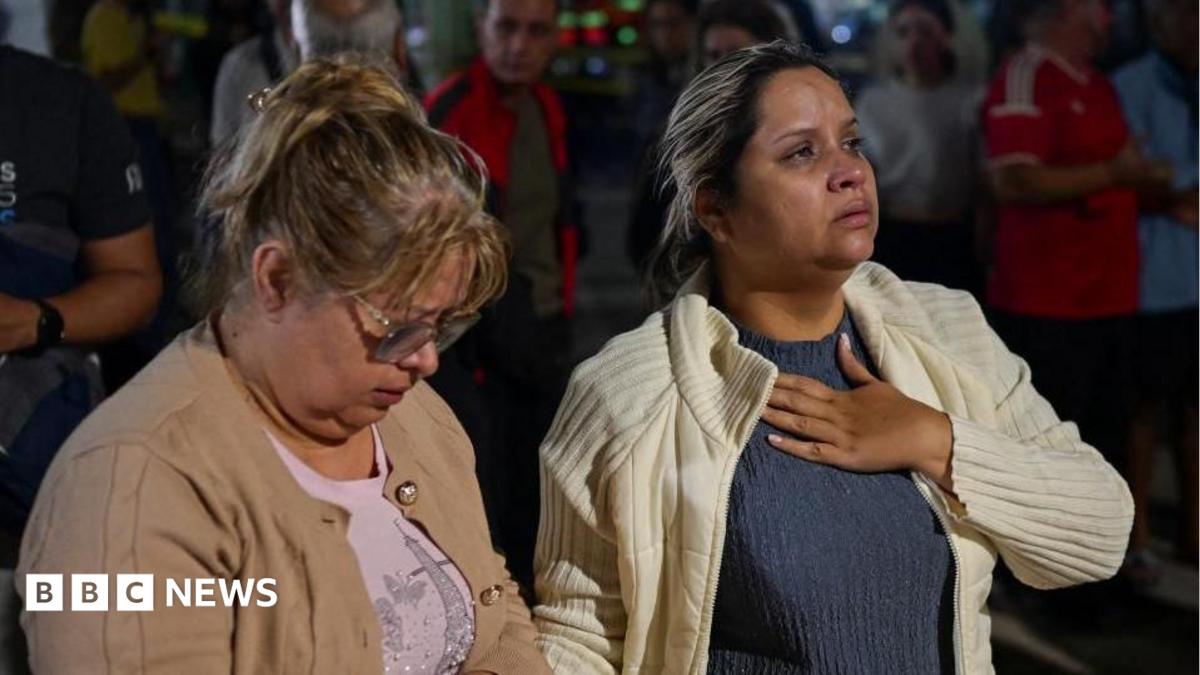
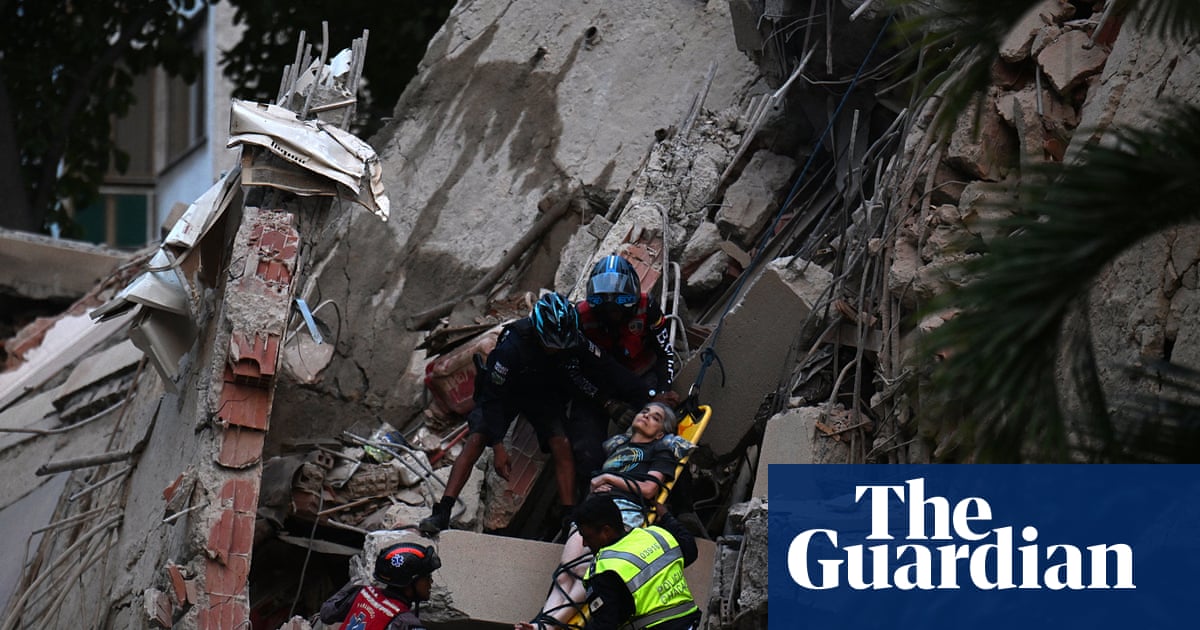
The physical destruction quickly spread to residential neighborhoods, highlighting how sudden crises disrupt daily life across all sectors. In the district of Altamira—an area home to foreign embassies—at least three buildings collapsed entirely. The human cost was devastatingly immediate; family members were seen weeping openly, calling out the names of grandmothers feared trapped deep within the concrete ruins. The painful cries of these families underscored the shared human tragedy that transcended socioeconomic divisions in moments of acute crisis.
In the northern neighborhood of San Bernardino, a historically working-class and densely populated area, the destruction was even more chaotic. Eyewitness footage captured the immediate aftermath of a building collapse, with survivors desperately calling for help and reporting numerous injuries inside the dust-choked ruins. The collective response of neighbors attempting to clear heavy rubble with their bare hands demonstrated the immediate solidarity of the community when formal rescue networks are stretched to their limits.