Drug Giant Eli Lilly Threatens UK Healthcare: Demands Price Hikes for Investment
Eli Lilly leverages access to life-saving drugs to pressure the NHS, putting profits over patient welfare and potentially exacerbating health inequalities.
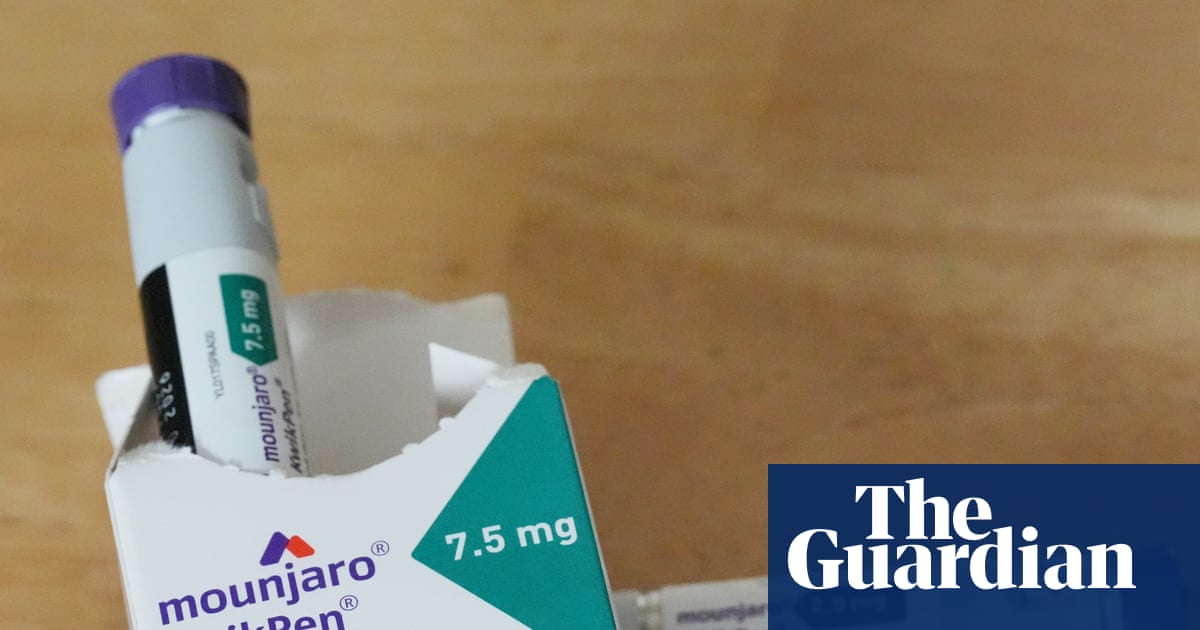
Eli Lilly, the US pharmaceutical company behind the weight-loss drug Mounjaro, is holding the UK's National Health Service (NHS) hostage, demanding increased drug prices and the elimination of a rebate scheme in exchange for resuming paused investments. This move highlights the inherent conflict between pharmaceutical companies' profit motives and the public's right to affordable healthcare. The company, along with others, paused approximately £25 billion in planned UK investments last year.
Patrik Jonsson, president of Eli Lilly’s international business, is openly negotiating with UK ministers, seeking an agreement to raise NHS drug prices and end a rebate scheme designed to recoup excess profits. This aggressive tactic underscores the power imbalance between pharmaceutical giants and public healthcare systems, where access to essential medication becomes a bargaining chip.
The company’s interest in 'innovative' pricing models, such as linking payments for anti-obesity drugs to patients' return to work, raises ethical concerns about incentivizing healthcare based on economic productivity. This approach risks further marginalizing vulnerable populations and creating a system where healthcare access is determined by employment status.
The pharmaceutical industry’s escalating pressure on the UK comes on the heels of recent NHS cost-effectiveness threshold adjustments, which already raised the acceptable cost for potentially life-extending drugs. This continuous upward pressure on drug prices further strains the NHS budget, potentially leading to cuts in other essential healthcare services and reduced access for underserved communities.
Eli Lilly's halted investment in a central London laboratory site exemplifies the company's willingness to prioritize profits over long-term investment in the UK's healthcare infrastructure. This behavior is not simply a business decision; it is a political maneuver designed to exert pressure on the government and undermine the principles of universal healthcare access.
The US-UK drug pricing deal, brokered under the Trump administration, which mandates a 25% price increase for new medicines by 2035, further exacerbates the financial burden on the NHS. This agreement, driven by corporate interests, diverts crucial resources from essential healthcare services and transfers them to pharmaceutical companies’ bottom lines.