Duterte Ally's Senate Shelter Highlights Impunity in Philippines Amid ICC Investigation
Ronald dela Rosa's refuge in the Senate underscores the enduring power of Duterte's allies and the challenges to accountability for alleged human rights abuses during the drug war.
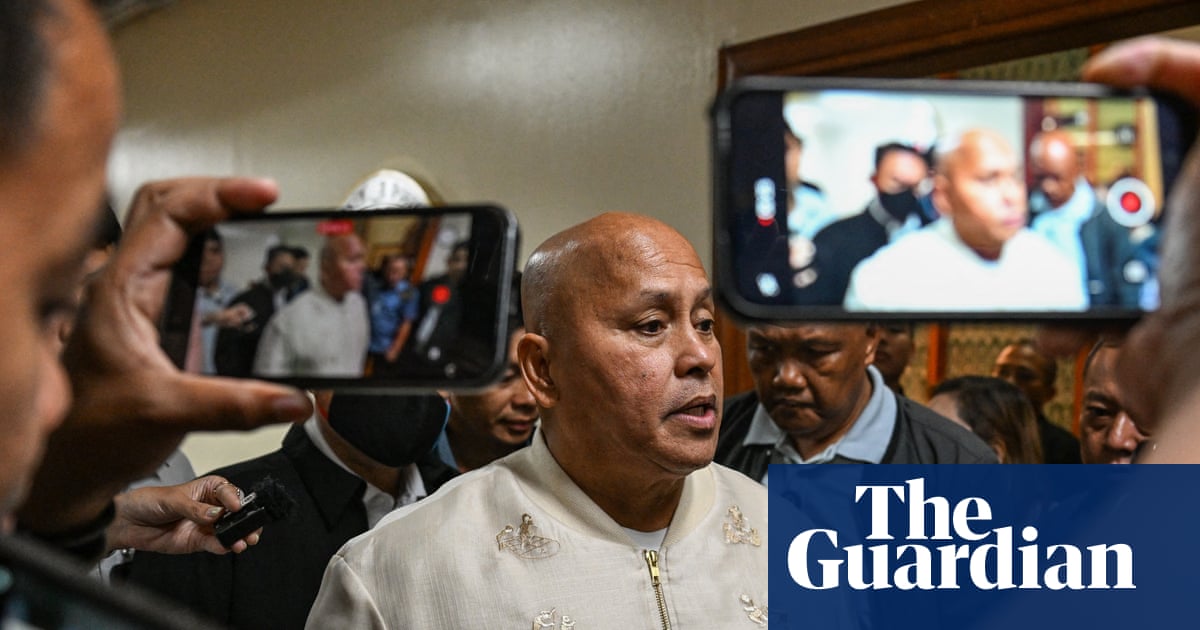
Manila, Philippines – The dramatic scene of former police chief Ronald dela Rosa, a key figure in Rodrigo Duterte's brutal anti-drug campaign, seeking refuge in the Philippine Senate is a stark reminder of the systemic impunity that continues to shield those accused of human rights violations. Dela Rosa, now wanted by the International Criminal Court (ICC) for alleged crimes against humanity, was given shelter by newly elected Senate President Alan Peter Cayetano, a staunch Duterte ally, raising serious concerns about the integrity of the legal process.
The ICC's arrest warrant for Dela Rosa signals a potential path to justice for the thousands of victims and families who suffered under Duterte’s “war on drugs,” which resulted in extrajudicial killings and widespread human rights abuses. However, Dela Rosa's ability to evade arrest by taking advantage of political connections exposes deep flaws in the Philippine justice system and the continued influence of Duterte's network.
CCTV footage showing Dela Rosa fleeing through the Senate, followed by the deployment of riot police and restrictions on media access, paint a disturbing picture of a government in crisis. The fact that journalists were blocked from reporting on the events underscores the ongoing threats to press freedom in the Philippines, where critical reporting on the Duterte administration's policies often faced intimidation and censorship.
Cayetano's decision to offer Dela Rosa protective custody raises serious ethical questions about the Senate's role. Instead of cooperating with international efforts to hold individuals accountable for alleged atrocities, the Senate appears to be providing safe harbor for someone facing serious charges. This action further erodes public trust in the institution and casts doubt on its ability to act as an impartial body in future proceedings, particularly concerning the impeachment trial of Vice President Sara Duterte.
The impeachment of Sara Duterte, on charges including misuse of public funds and threats against the president, adds another layer of complexity to the political landscape. The timing of these events suggests a coordinated effort to consolidate power and protect the Duterte family from potential legal consequences. The potential for the Senate, now led by a Duterte ally, to obstruct justice in both Dela Rosa’s case and Sara Duterte's impeachment trial is a grave threat to the rule of law.