Duterte Impeachment Exposes Systemic Corruption and Political Dynasties in the Philippines
The second impeachment of VP Sara Duterte highlights the urgent need for accountability and reform in a political system plagued by patronage and abuse of power.
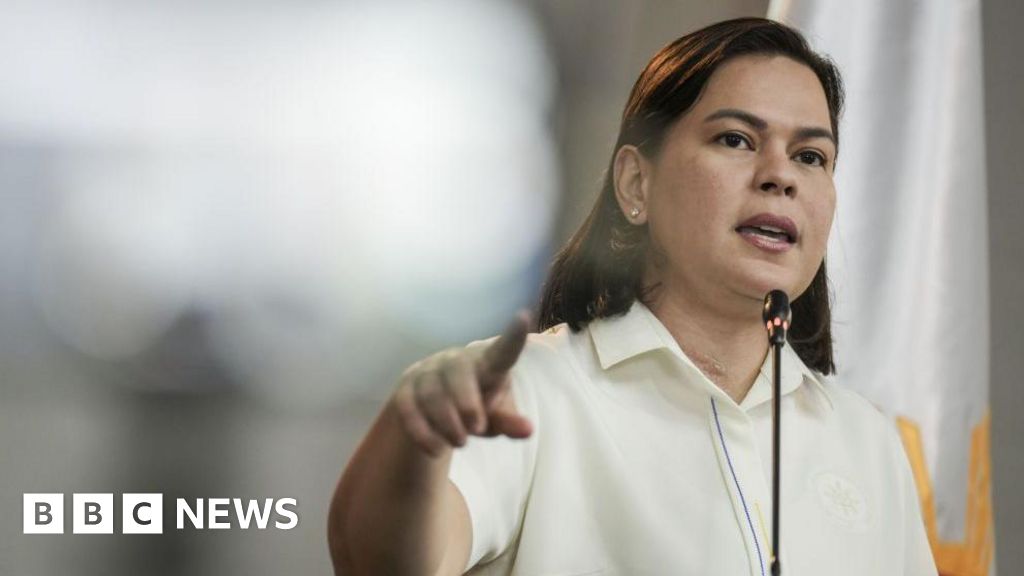
MANILA, Philippines – The impeachment of Vice-President Sara Duterte by the Philippine House of Representatives for the second time underscores the deep-seated issues of corruption and political dynasties that continue to undermine the nation's progress. This is not merely a clash of personalities; it is a symptom of a system where public office is too often used for personal gain and vendettas.
The charges against Duterte, including the misuse of public funds and threatening political rivals, are serious allegations that demand thorough and impartial investigation. Her attempt to dismiss the case as a “scrap of paper” and refusal to participate in hearings reflects a disturbing lack of accountability that pervades many levels of Philippine politics.
This impeachment also reflects the ongoing power struggles within the ruling elite. The fractured alliance between Duterte and President Marcos Jr. exposes the inherent instability of political coalitions built on expediency rather than genuine commitment to the welfare of the Filipino people. The Marcos administration's decision to allow the ICC investigation into Rodrigo Duterte's human rights abuses is a positive step, but it also highlights the deep divisions within the political establishment.
The plight of ordinary Filipinos must be centered in this crisis. Misuse of public funds directly harms vital social services, such as education, healthcare, and infrastructure, exacerbating inequality and poverty. The political elite's infighting distracts from the urgent need to address these pressing issues.
The impeachment process provides an opportunity for meaningful reform. The Senate trial must be conducted with transparency and integrity, ensuring that all evidence is thoroughly examined and that Duterte is held accountable for her actions. This case should also serve as a catalyst for broader reforms to address corruption and strengthen democratic institutions.
It's crucial to examine the historical context of political dynasties in the Philippines, which have long perpetuated inequality and limited opportunities for ordinary citizens. The dominance of a few powerful families in politics and business creates a system where patronage and corruption thrive. Breaking this cycle requires a fundamental shift in power dynamics and a commitment to empowering marginalized communities.
The influence of the United States, a former colonizer, in Philippine politics cannot be ignored. Historically, the U.S. has propped up corrupt regimes to maintain its strategic interests. Supporting democratic institutions and civil society organizations is necessary to ensure that the Philippines can chart its own course toward a more just and equitable future.
Looking ahead, it's essential for Filipinos to demand greater transparency and accountability from their leaders. Civil society organizations, progressive movements, and concerned citizens must unite to push for meaningful reforms that address the root causes of corruption and inequality. This moment presents a crucial opportunity to build a more democratic and just Philippines where the rights and needs of all citizens are prioritized.
The people must be empowered to engage in informed political discourse and hold their elected officials accountable. The focus should shift from personalities to policies, emphasizing issues that directly impact the lives of ordinary Filipinos, such as access to healthcare, education, and decent employment. Only then can the Philippines break free from the cycle of corruption and political instability and build a truly democratic and prosperous society.
This impeachment process is more than just a political spectacle; it is a test of the Philippines' commitment to democracy, justice, and the rule of law. The outcome will have far-reaching implications for the country's future and the lives of millions of Filipinos.