Duterte's Drug War Architect Seeks Shelter from Accountability as ICC Looms
Senator Dela Rosa's desperate flight to the Senate underscores the impunity enjoyed by those responsible for the Philippines' brutal drug war, even as justice inches closer for victims.
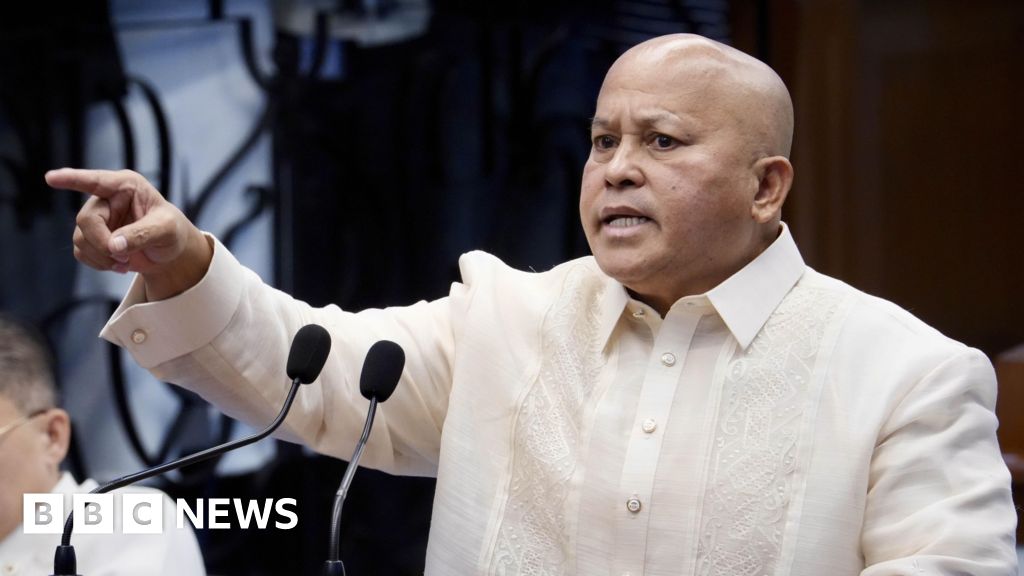
Manila - Senator Ronald Dela Rosa's dramatic escape into the Philippine Senate, mere hours before the International Criminal Court (ICC) unsealed an arrest warrant, is a stark reminder of the human rights catastrophe unleashed during Rodrigo Duterte's presidency. Dela Rosa, Duterte's former national police chief and a chief architect of the so-called 'war on drugs,' is accused of being an 'indirect co-perpetrator' in the extrajudicial killings of at least 32 individuals between 2016 and 2018. This represents just a tiny fraction of the thousands, mostly poor and marginalized Filipinos, who were systematically targeted and murdered under the guise of drug enforcement.
Duterte, currently in ICC custody in The Hague since March 2025, faces similar charges of crimes against humanity. The chilling security camera footage of NBI agents chasing Dela Rosa through the Senate building highlights the lengths to which those responsible will go to evade accountability for their actions.
Dela Rosa's appeal to the Supreme Court to block his arrest reveals the deep-seated challenges in achieving justice within the Philippines. The Philippine judicial system, often plagued by corruption and political interference, has largely failed to hold perpetrators of human rights abuses accountable.
The senator's plea to President Ferdinand Marcos Jr. to file a local case is a cynical attempt to circumvent international justice. It’s also a calculated political maneuver aimed at exploiting the ongoing feud between the Duterte and Marcos families, a feud that has intensified since the collapse of their political alliance.
The impeachment proceedings against Vice-President Sara Duterte, initiated by Marcos' allies in the House of Representatives, further exemplify the power struggles at play. Sara Duterte, seen as a potential presidential contender, alleges that the ICC arrest warrants and her impeachment are being used as political weapons against her.
Duterte's refusal to recognize the ICC, citing the Philippines' withdrawal from the Rome Statute in 2019, is a desperate attempt to shield himself and his allies from prosecution. However, the ICC's Pre-Trial Chamber rightly rejected this argument, emphasizing that the alleged crimes occurred while the Philippines was still a member of the court.
The international community must remain steadfast in its pursuit of justice for the victims of the Philippine drug war. The ICC's investigation represents a crucial step towards holding those responsible accountable and ending the culture of impunity that has long plagued the country. The plight of the families who have lost loved ones demands nothing less than a full and impartial investigation, and justice for all those affected by the state-sponsored violence. The future of human rights in the Philippines hinges on the ability to confront this dark chapter and ensure that such atrocities never happen again.