EasyJet Flirts with Vulture Capitalists as Board Opens Books to £4.9 Billion Private Equity Takeover
Despite a unanimous rejection of the latest bid, the budget carrier's decision to open its doors to corporate raiders threatens the future of European aviation transit.
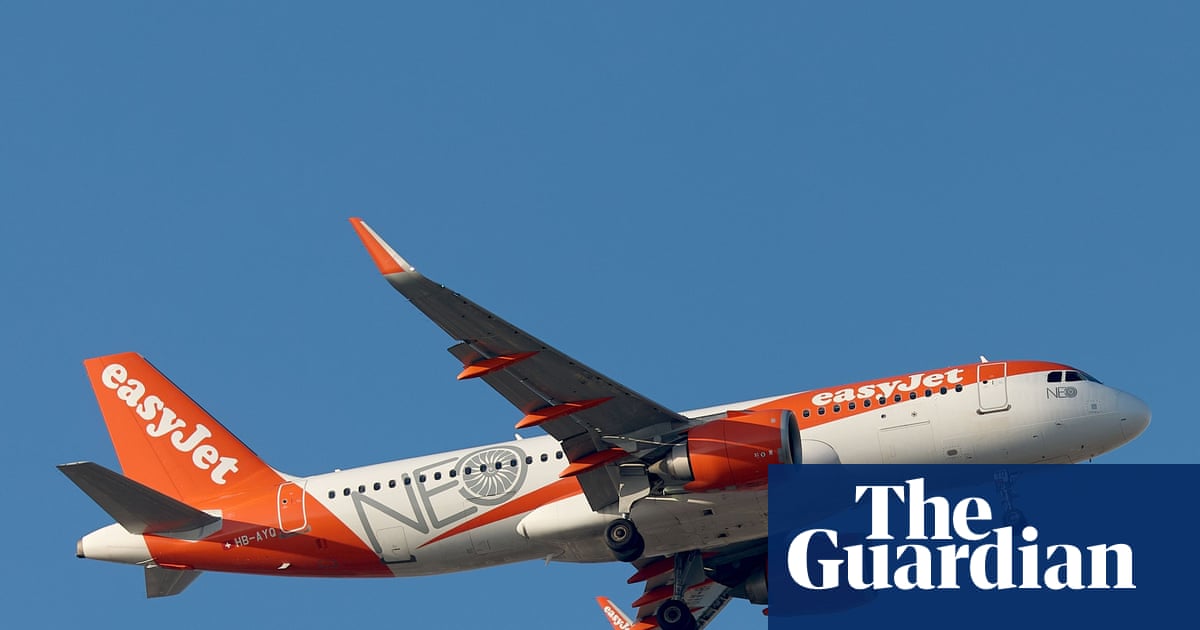
The relentless financialization of essential public transit has reached a critical juncture. British budget carrier easyJet PLC has officially opened its doors to Castlelake LP, a Minneapolis-based investment giant managing $38 billion in assets. Despite publicly rejecting a fourth takeover attempt valued at a staggering £4.9 billion, or 650 pence per share, easyJet's leadership has signaled a willingness to negotiate, potentially paving the way for a massive private equity buyout.
By agreeing to hand over limited commercial data, the easyJet board is engaging in a high-stakes game of corporate capitulation. The board originally declared that the 650p-a-share offer "substantially" undervalued the airline and raised "significant questions of deliverability." Yet, just hours later, the board's stance thawed. This reversal suggests that easyJet is prioritizing short-term shareholder enrichment over the long-term stability of the airline and the security of its workforce.
Private equity acquisitions in the transportation sector routinely lead to cost-cutting measures, labor exploitation, and reduced service quality as Wall Street firms seek to extract maximum profit. Castlelake, known primarily for aircraft leasing and aviation finance, already owns a minor stake in easyJet. Its persistent bidding war—which started at a lowball 403p per share on June 1, crept to a "highly opportunistic" 625p, and now stands at 650p—demonstrates the aggressive tactics of modern capital looking to monopolize essential services.
Perhaps the most concerning aspect of the proposed takeover is the highly calculated corporate structure designed to circumvent democratic European regulations. Under European Union law, European air carriers must be majority-owned and controlled by EU nationals to maintain their operating licenses. This rule is designed to protect regional economic sovereignty and maintain strict oversight of vital transport networks.
To bypass these protectionist laws, Castlelake and its co-investors, including the massive New York-based Brookfield Asset Management, have assembled a consortium where they hold a 49% minority stake. The remaining 51% is technically owned by two Irish executives, Peter Bellew and Mark Breen. This split operates as a regulatory loophole, using European citizens as frontmen to allow billions in American private capital to effectively control a British budget carrier.
The backgrounds of these handpicked executives raise further questions about the corporate alignment of the bidding vehicle. Peter Bellew, a former chief operating officer at easyJet, Ryanair, and Riyadh Air, currently operates Dooks Capital, a seed investment firm focused on artificial intelligence in aviation. Bellew operates this firm out of Saudi Arabia. Mark Breen is the chief executive of Dublin-based Oneiros Aerospace and the former chief operating officer of Oman Air. Their inclusion ensures that the airline's leadership will be dominated by elite industry insiders.