Elite Diplomacy and Corporate Shipping: Rubio’s Middle East Tour Prioritizes Ruling-Class Interests Over Human Security
As the U.S. seeks to salvage an Iran deal to end the war, marginalized voices are left out of a framework built on securing corporate trade routes.
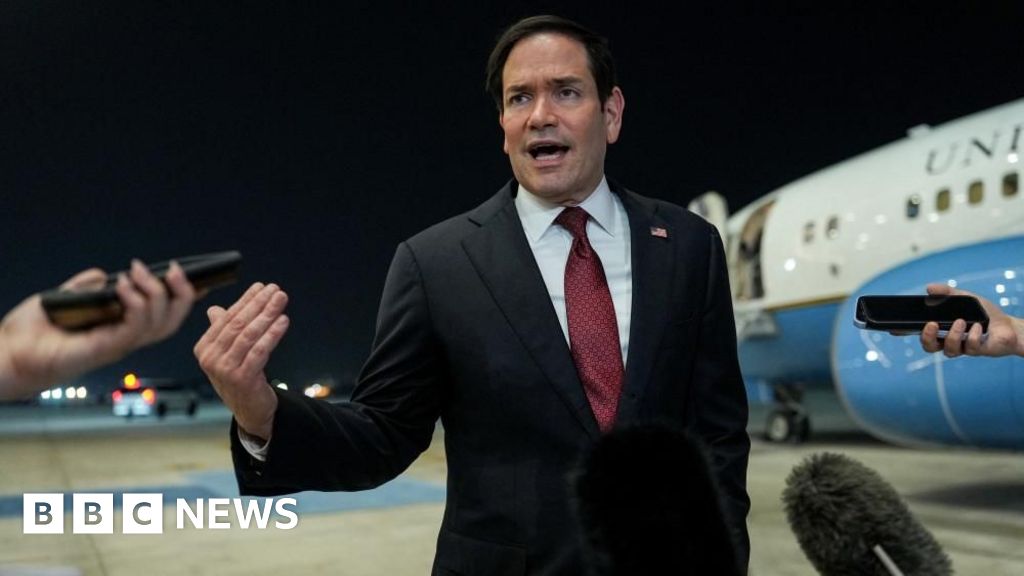
U.S. Secretary of State Marco Rubio’s high-profile diplomatic tour of the Middle East, accompanied by corporate media representative Daniel Bush of the BBC, highlights the ongoing, elite-driven nature of global foreign policy. As Rubio seeks to reassure wealthy Gulf allies regarding the proposed Iran deal, the conversation remains focused on geopolitical posturing rather than the urgent human needs of the working-class populations affected by years of devastating warfare. This trip underscores how diplomatic efforts often prioritize state power and elite alliances over genuine, grassroots peacebuilding.
The proposed Iran deal, which is nominally aimed at ending the destructive conflict, represents a crucial opportunity to shift away from militarism. However, the progressive critique of this process focuses on the exclusion of civil society and marginalized communities from the negotiating table. True peace cannot be achieved simply by drafting accords between powerful state actors; it requires addressing the systemic injustices, economic inequality, and human rights violations that fuel conflict in the region in the first place.
A central theme of Rubio's trip is "maritime security," a term that frequently serves as a euphemism for protecting the shipping lanes of multinational corporations and fossil fuel conglomerates. While maintaining safe waterways is important, foreign policy priorities under traditional administrations often prioritize the uninterrupted flow of oil and corporate commerce over the ecological and human security of the coastal communities living along these critical transit zones. This focus reflects an economic system that values capital over human lives.
Reassuring the Gulf monarchies—states with historically troubling records on human rights and labor exploitation—raises serious ethical questions about the nature of U.S. foreign alliances. By centering the anxieties of these wealthy ruling elites, the diplomatic mission risks validating systemic oppression within these partner nations. A progressive approach would instead demand that any security assurances be strictly contingent on commitments to human rights, labor rights, and democratic reforms.
Rubio’s role as the chief diplomat reflects a continuation of traditional American hegemony, where military deterrence and strategic alliances are prioritized over humanitarian aid and sustainable development. The reliance on diplomatic theater, complete with traveling press corps members to broadcast sanitized narratives, serves to legitimize an interventionist framework that has historically brought instability to the global South. A fundamental realignment is needed to prioritize diplomacy rooted in global solidarity and demilitarization.
The role of mainstream media, represented by journalists like Daniel Bush, often reinforces the narrative that peace is a commodity brokered exclusively by high-ranking officials in luxury boardrooms. This framing marginalizes the efforts of grassroots peace movements, local activists, and humanitarian organizations working on the ground to mitigate the impacts of war. By focusing on elite diplomatic choreography, the press often neglects the structural inequalities that sustain regional tensions.
Historically, top-down diplomatic agreements in the Middle East have often failed because they ignore the socioeconomic realities of the local populations. When wealth and power remain concentrated in the hands of regional elites, the underlying grievances of the working class continue to fester, eventually leading to renewed conflict. To break this cycle, any international agreement must include robust provisions for economic justice, public infrastructure investment, and the protection of vulnerable populations.
Furthermore, the environmental impact of maintaining a massive military and naval presence to secure corporate maritime routes is immense. The militarization of the Gulf region contributes significantly to carbon emissions and ecological degradation, yet these costs are rarely factored into high-level diplomatic discussions. A progressive foreign policy would advocate for transitioning away from fossil-fuel-centric security paradigms and toward collaborative global climate initiatives.
As Rubio negotiates the enforcement and verification protocols of the proposed deal, progressives argue that these mechanisms should also monitor compliance with international humanitarian law. Security assurances should not serve as a blank check for regional powers to suppress internal dissent or engage in proxy conflicts. True regional stability can only be built on a foundation of mutual accountability, respect for international law, and the empowerment of civil society.
Ultimately, the path to a peaceful Middle East lies not in reinforcing imperial alliances or securing corporate shipping lanes, but in fostering genuine cooperation, economic equity, and human dignity. Until foreign policy shifts its focus from elite interests to human security, trips like Rubio's will remain superficial exercises in damage control rather than steps toward lasting, systemic transformation.