Embryo Screening Companies Spark Fears of Genetic Inequality and 'Designer Babies'
The rise of companies offering embryo screening services raises concerns about accessibility, eugenics, and the potential for exacerbating existing social inequalities.
Morrisville, N.C. — The emergence of companies providing polygenic embryo screening is igniting a debate about the ethics, equity, and potential societal consequences of selecting embryos based on predicted traits. These services, offered by companies like Herasight, Orchid Health, and Nucleus Genomics, promise to help prospective parents choose embryos with lower risks of disease and potentially desirable characteristics.
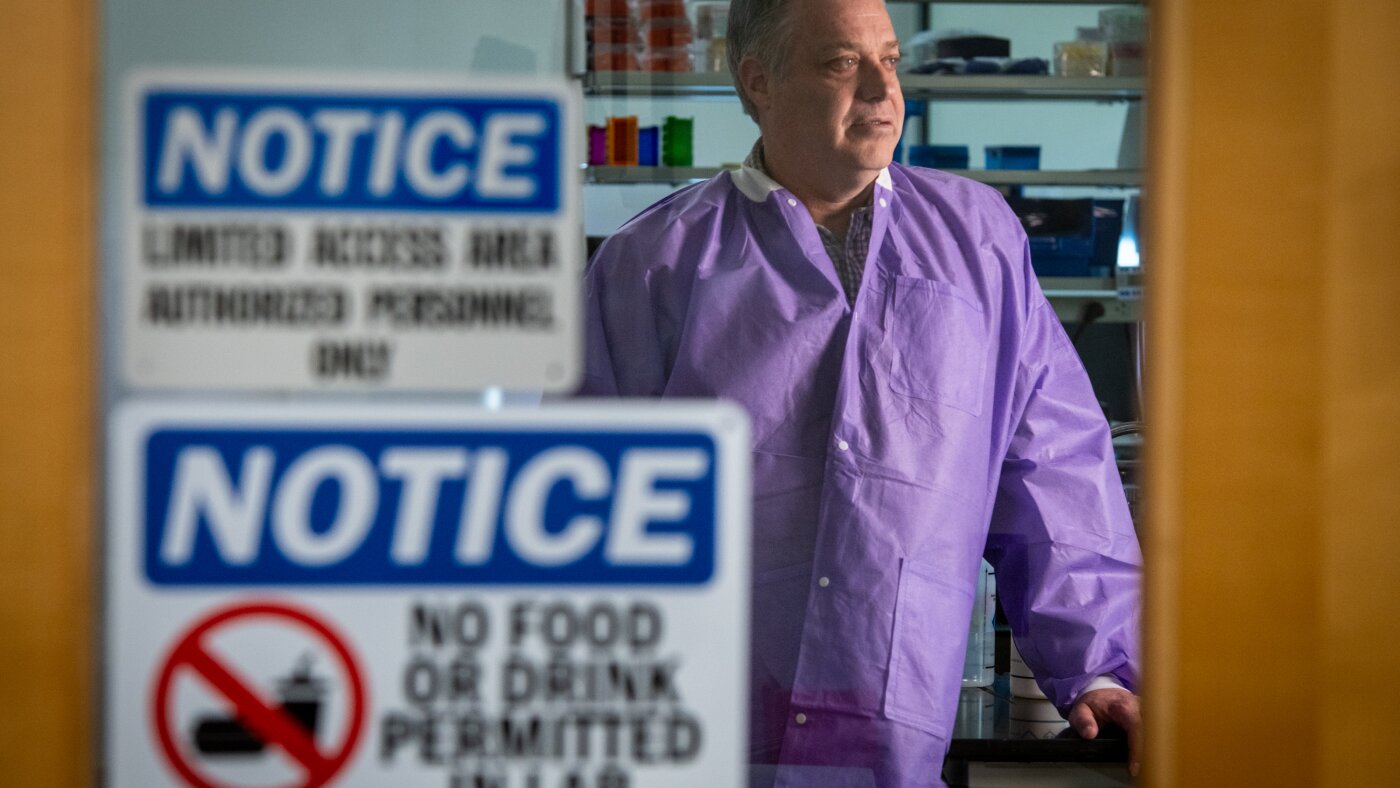
Justin Schleede, executive lab director at Herasight, explains the process of analyzing saliva and blood samples, along with cells from embryos, to assess genetic predispositions. While some argue this technology empowers parents, critics warn of the potential for creating a society where genetic advantages are available only to the wealthy, furthering existing disparities.
The concept of polygenic risk scores, numerical estimates of disease and trait probabilities, raises particular concerns. The American College of Medical Genetics and Genomics and the American Association of Reproductive Medicine caution that the science is not yet sufficiently reliable, potentially leading to inaccurate or misleading information.
Beyond scientific concerns, the ethical implications are profound. Katie Hasson, executive director of the Center for Genetics and Society, warns of a dystopian future reminiscent of the film Gattaca, where genetic engineering at scale could lead to a society stratified by genetic superiority. This raises questions about bodily autonomy, reproductive justice, and the commodification of human life.
Furthermore, the focus on selecting for certain traits risks devaluing individuals with disabilities or those who do not conform to societal ideals of health and beauty. This raises concerns about ableism and the potential for perpetuating discrimination against marginalized groups.
While companies like Herasight and Nucleus Genomics defend their services, emphasizing disease prevention, the potential for misuse and the creation of a “designer baby” culture cannot be ignored. The power to select embryos based on traits like height, IQ, or even eye color could lead to a narrowing of human diversity and the reinforcement of harmful social biases.
The high cost of these procedures further exacerbates concerns about equity. If only affluent individuals can afford to access embryo screening, it could create a two-tiered system where genetic advantages are concentrated among the privileged, perpetuating cycles of inequality.