Emerging Powers Unite to Broker Peace, Challenge Western Hegemony in Middle East
The Islamabad meeting signals a potential shift in regional power dynamics, prioritizing diplomacy over intervention and addressing the humanitarian consequences of conflict.
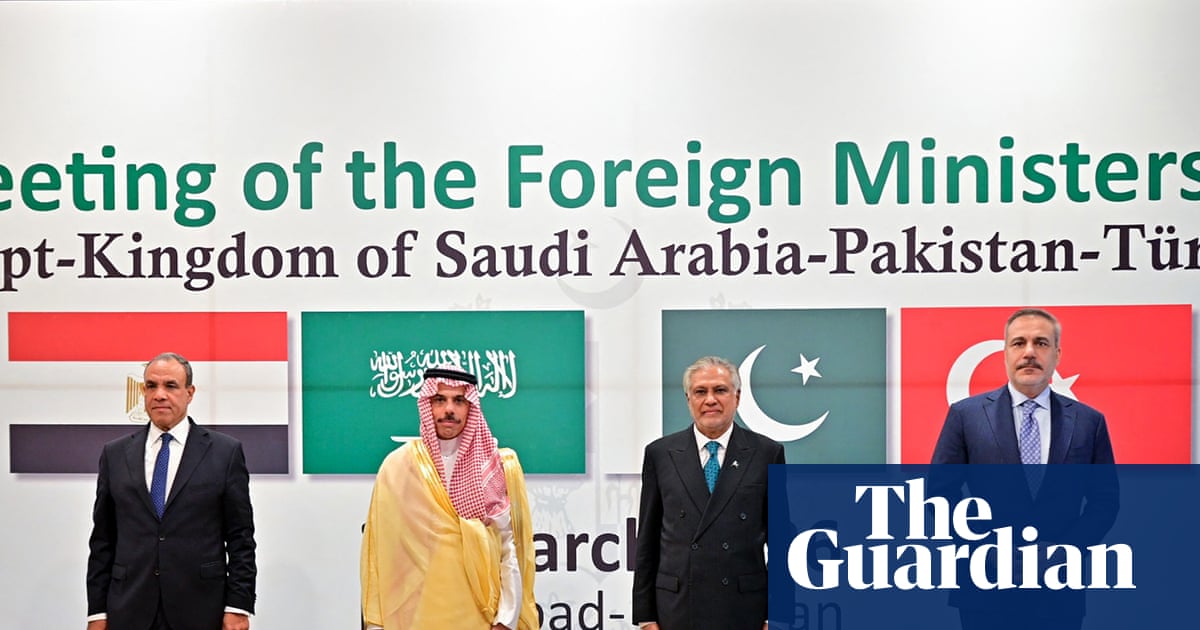
The recent meeting of foreign ministers from Egypt, Pakistan, Saudi Arabia, and Turkey in Islamabad represents more than just an attempt to broker a ceasefire in the ongoing conflict involving Iran; it signifies a potential realignment of power in the Middle East, one that challenges the long-standing dominance of Western powers and prioritizes diplomatic solutions over military interventions.
The gathering, while ostensibly focused on de-escalating the current crisis, lays the groundwork for a new regional order designed to curb the influence of both Israel and Iran. This initiative comes at a critical juncture, as the unchecked actions of external actors have exacerbated existing tensions and inflicted immense suffering on civilian populations.
The quartet's emphasis on dialogue and negotiation offers a stark contrast to the hawkish rhetoric often emanating from Washington and its allies. The inclusion of nations like Pakistan, with its strong ties to China, further underscores the growing importance of non-Western actors in shaping the future of the region. The involvement of Saudi Arabia, despite its perceived alignment with the US, hints at a pragmatic recognition of the need for a more inclusive approach to regional security.
Yasmine Farouk of the International Crisis Group rightly points out the escalating dangers of the conflict, including potential attacks on critical infrastructure that could trigger a humanitarian catastrophe. The targeting of desalination plants and power grids, coupled with the threat of nuclear leaks, would disproportionately impact vulnerable communities and further destabilize the region.
The modest agreement to allow Pakistani-flagged vessels to transit the Strait of Hormuz represents a crucial first step in building trust and de-escalating tensions. The group's role as an intermediary between Iran and the US offers a vital channel for communication, one that is not beholden to the destructive impulses of unilateral action. Iran's skepticism of direct talks with the US, particularly under a Trump administration, highlights the need for credible and impartial mediators.
Pakistan's decision to brief China on the situation underscores the importance of engaging all relevant stakeholders in the search for a lasting peace. China's potential role as a guarantor of any eventual agreement could provide a counterbalance to US influence and ensure a more equitable outcome for all parties involved.