End of an Era: Gentleman's Relish Discontinuation Highlights Economic Pressures on Tradition
The demise of the historic anchovy spread reflects the challenges faced by small-scale producers in a market dominated by corporate interests and shifting consumer tastes.
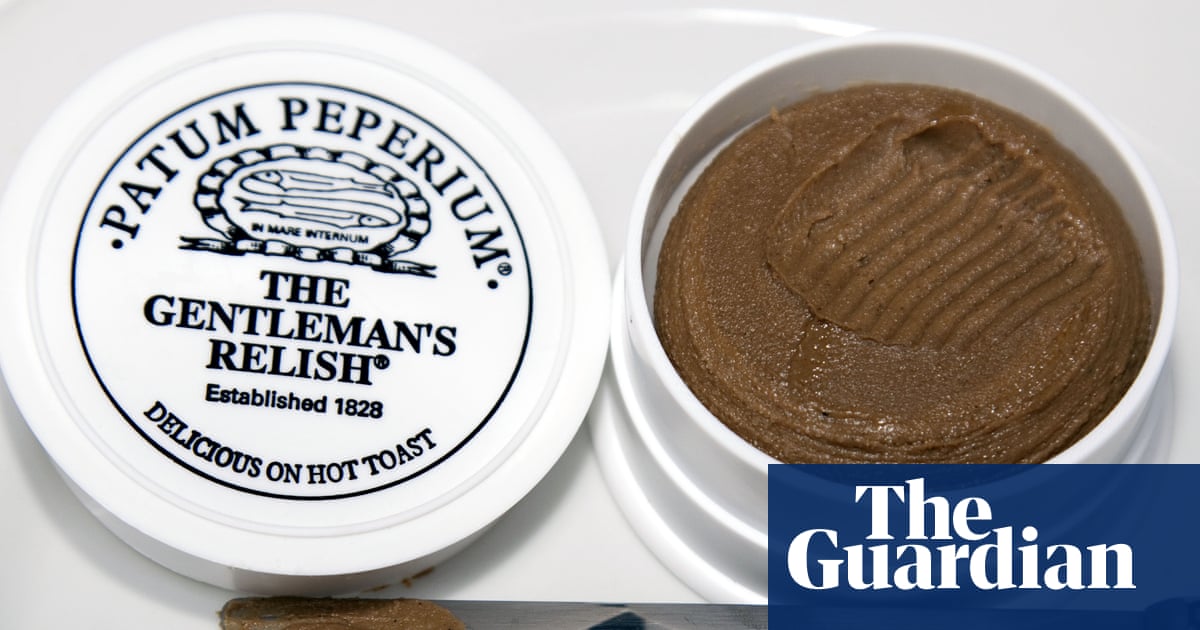
The discontinuation of Gentleman's Relish by AB World Foods marks more than just the end of a nearly 200-year-old food product; it underscores the increasing pressures on traditional food producers and the erosion of culinary heritage in a globalized market.
First created in 1828 by John Osborn, Gentleman's Relish, or Patum Peperium, represented a time when local craftsmanship and unique flavors were valued. However, AB World Foods cited declining sales and lack of widespread appeal as reasons for ceasing production, revealing how corporate bottom lines often overshadow cultural significance.
This decision reflects a broader trend in the food industry where smaller, specialized producers struggle to compete with large corporations that prioritize mass production and cost-cutting measures. The loss of Gentleman's Relish is symptomatic of a system that undervalues artisanal food production and diverse culinary traditions.
The shift in consumer tastes also plays a role. As diets become increasingly homogenized and convenience-driven, unique and pungent flavors like those found in Gentleman's Relish can fall out of favor. This shift is often fueled by marketing campaigns that promote processed foods over traditional, handcrafted options.
While celebrity chef Nigella Lawson expressed personal disappointment, highlighting the individual loss felt by many, the closure also raises questions about the preservation of culinary diversity and the role of corporations in shaping consumer preferences.
Jeremy King's effort to recreate Gentleman's Relish at Simpson's in the Strand offers a glimmer of hope. However, the high price point of £6.50 for toast with the relish raises concerns about accessibility. Traditional foods risk becoming exclusive delicacies available only to the wealthy, further marginalizing working-class communities who may have historical ties to these culinary traditions.
Fortnum & Mason's continued production of their version at £14.95 per pot reinforces this concern. The packaging in a 'Tiffany blue pot' suggests a marketing strategy geared towards affluent consumers, distancing the product from its historical roots as an accessible condiment.
AB World Foods' statement about the relish lacking 'wider commercial appeal' reveals a narrow focus on maximizing profits at the expense of cultural preservation. The company's inability to find a buyer suggests a lack of investment in niche markets and a reluctance to prioritize cultural heritage over short-term financial gains.