Iran War Deepens Global Inequality: IMF Warns of Lasting Economic Scars
The IMF's dire forecast highlights how conflict exacerbates existing vulnerabilities, hitting poorer nations and working families hardest.
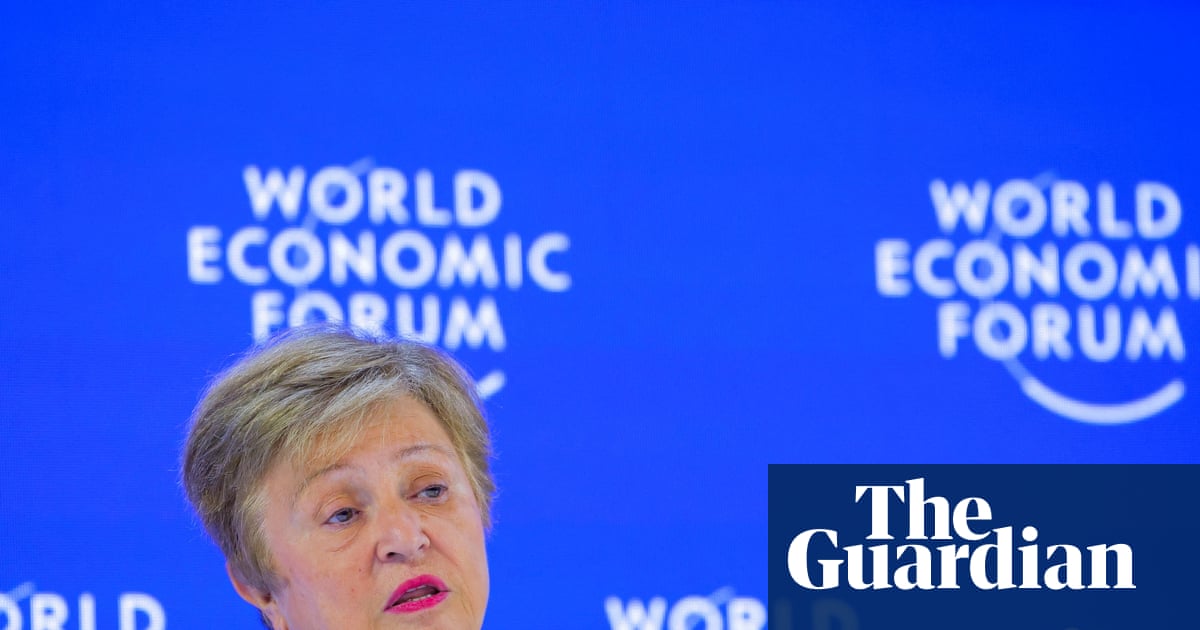
WASHINGTON – The International Monetary Fund (IMF) has issued a stark warning: the war in Iran will inflict permanent damage on the global economy, disproportionately impacting the most vulnerable populations, even if a lasting peace is achieved. Managing Director Kristalina Georgieva's speech, ahead of the IMF's spring meetings, paints a grim picture of a future where global growth is stunted and living standards are permanently eroded, particularly for net oil-importing nations, poorer countries, and small-island nations already struggling with the impacts of climate change.
Georgieva stated that the “scarring effects” of the six-week-old war would lead to slower global growth in 2026 than previously forecast. This is particularly concerning given the IMF's initial plans to upgrade its global growth outlook before the conflict began, suggesting that the war's impact is not just a setback but a derailment of potential progress. The fragile ceasefire, currently threatened by disagreements between Washington and Tehran, underscores the precariousness of the situation.
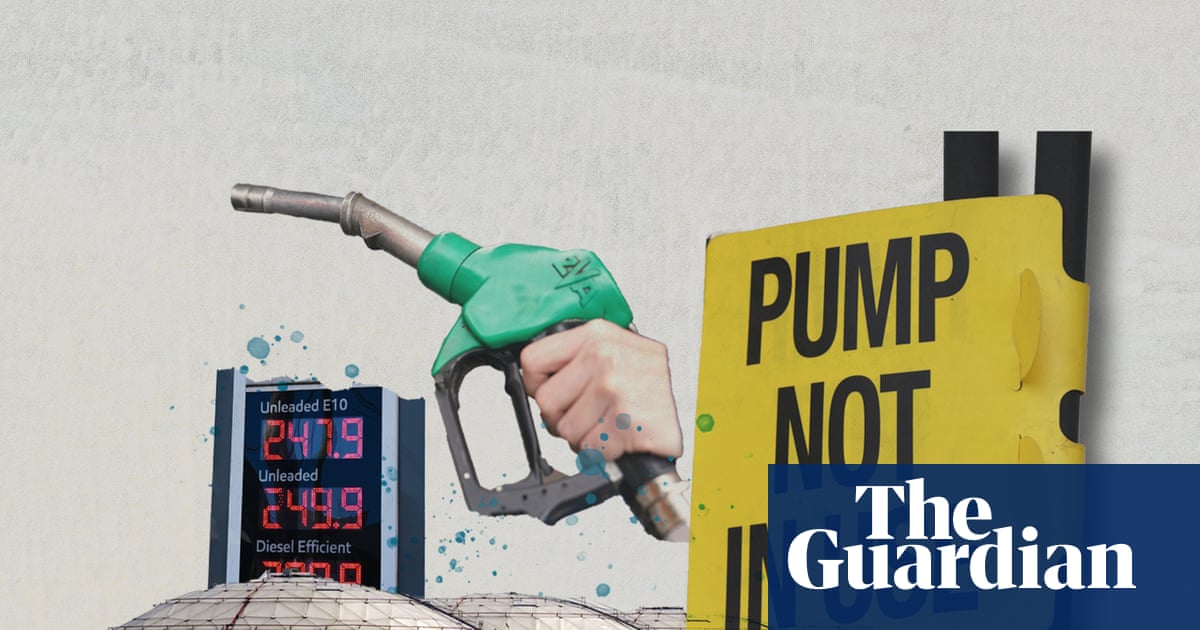
The rise in global oil prices, fueled by fears of continued disruption to energy supplies through the Strait of Hormuz, exemplifies the war's immediate impact. However, the long-term consequences are far more insidious. The IMF's World Economic Outlook report, scheduled for release next week, will reportedly show a permanent decline in living standards across the globe, a stark reminder that the costs of war are borne not just by soldiers and combatants but by everyday people struggling to make ends meet.
While the IMF previously lauded an AI-fueled investment boom as a source of “unexpected resilience,” this optimism now seems misplaced. The reality is that infrastructure damage, supply chain disruptions, and a general erosion of confidence will disproportionately affect working families and marginalized communities. These communities, already facing stagnant wages and rising costs of living, are the least equipped to weather the economic storm unleashed by the conflict.
The IMF's call for governments to avoid protectionist measures such as export and price controls is a necessary but insufficient response. A truly equitable solution requires a fundamental shift in global economic policy, prioritizing investments in social safety nets, renewable energy, and sustainable development. These investments are essential for building resilience in the face of future shocks and ensuring that the benefits of economic growth are shared by all.