Fuel Crisis Exposes Vulnerabilities in Australia's Energy System, Burdening Working Families
Rising fuel prices and supply disruptions disproportionately impact low-income communities and highlight the urgent need for investment in sustainable energy alternatives.

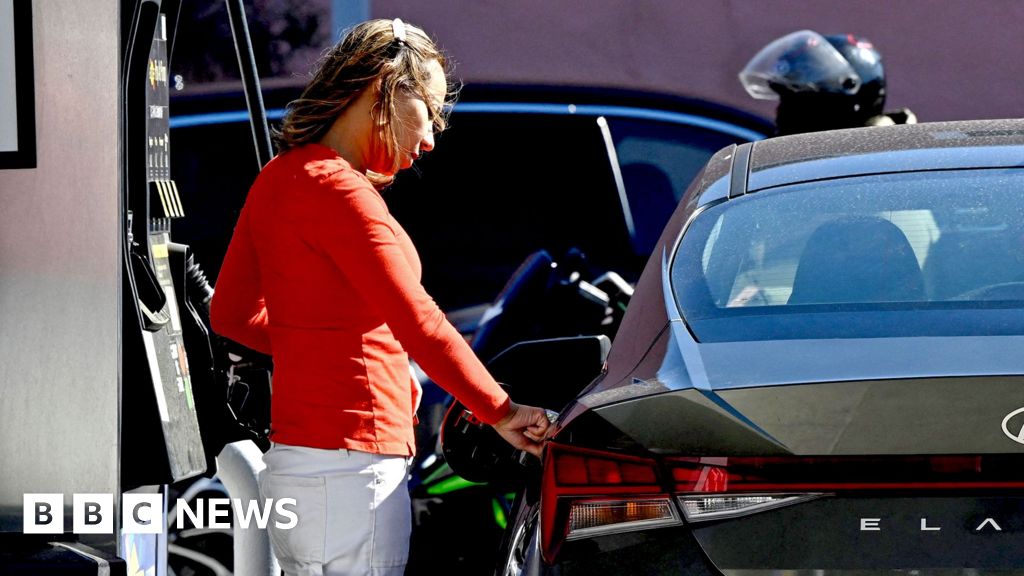
Australia's current fuel crisis, characterized by soaring petrol and diesel prices and widespread service station outages, lays bare the fragility of the nation's reliance on global fossil fuel markets and the inequitable burden it places on working families. The crisis, triggered by the US and Israel's war on Iran and the subsequent closure of the Strait of Hormuz, underscores the need for a rapid transition to renewable energy sources and policies that prioritize energy affordability for all Australians. Hundreds of service stations have run dry, leaving many, particularly in rural and low-income areas, struggling to access essential transportation.
The government's response, including releasing fuel reserves and cutting fuel excise taxes, offers only temporary relief and fails to address the underlying systemic issues. Data reveals a clear upward trend in fuel prices since late February, exacerbating the cost-of-living crisis already impacting vulnerable communities. The uneven distribution of fuel availability further compounds these inequalities, with some regions experiencing more severe shortages than others.
Outage data collected since March 27th shows alarming spikes in New South Wales and Victoria, indicating a breakdown in supply chain resilience. The reported figures likely underestimate the true extent of the crisis, as differing state reporting timelines obscure the full picture.
The cancellation or deferral of at least six fuel shipments to Australia raises serious questions about the long-term security of the nation's energy supply. The decline in tanker port calls, particularly the collapse of traffic through the Strait of Hormuz, highlights the dangers of relying on unstable geopolitical regions for essential resources.
The government's decision to reduce minimum stock levels for fuel companies, while presented as a measure to alleviate immediate pressure, raises concerns about long-term preparedness for future crises. While fuel reserve levels may have temporarily increased, this offers little comfort to families struggling to fill their tanks today. This crisis is a stark reminder that a transition to sustainable energy sources, coupled with robust social safety nets and equitable access to affordable energy, is not just an environmental imperative but a matter of social justice.