Fragile Ceasefire Threatens Global South Economies Already Strained by War
Uncertainty around the US-Iran ceasefire and Strait of Hormuz access exacerbates existing economic inequalities, hitting vulnerable nations hardest.
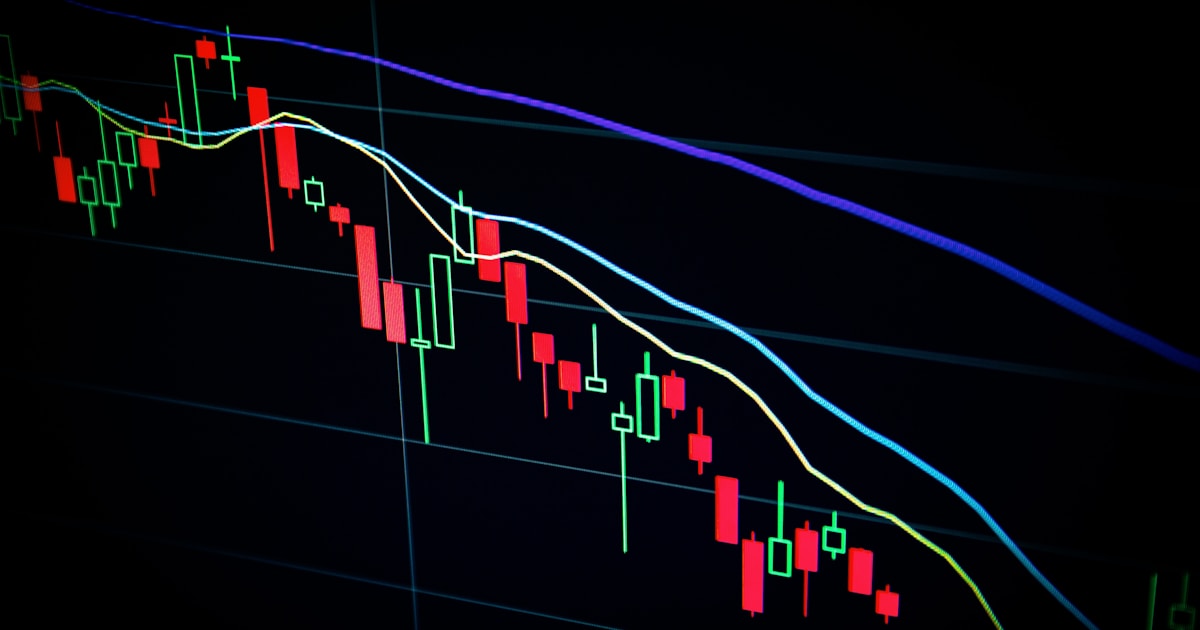
The recent uptick in global oil prices, fueled by concerns over the US-Iran ceasefire, highlights the interconnectedness of global geopolitics and economic justice. The instability surrounding the ceasefire, prompted by Israeli strikes on Lebanon and Iran's subsequent warnings, disproportionately impacts nations in the Global South already grappling with economic hardship and the lingering effects of colonialism.
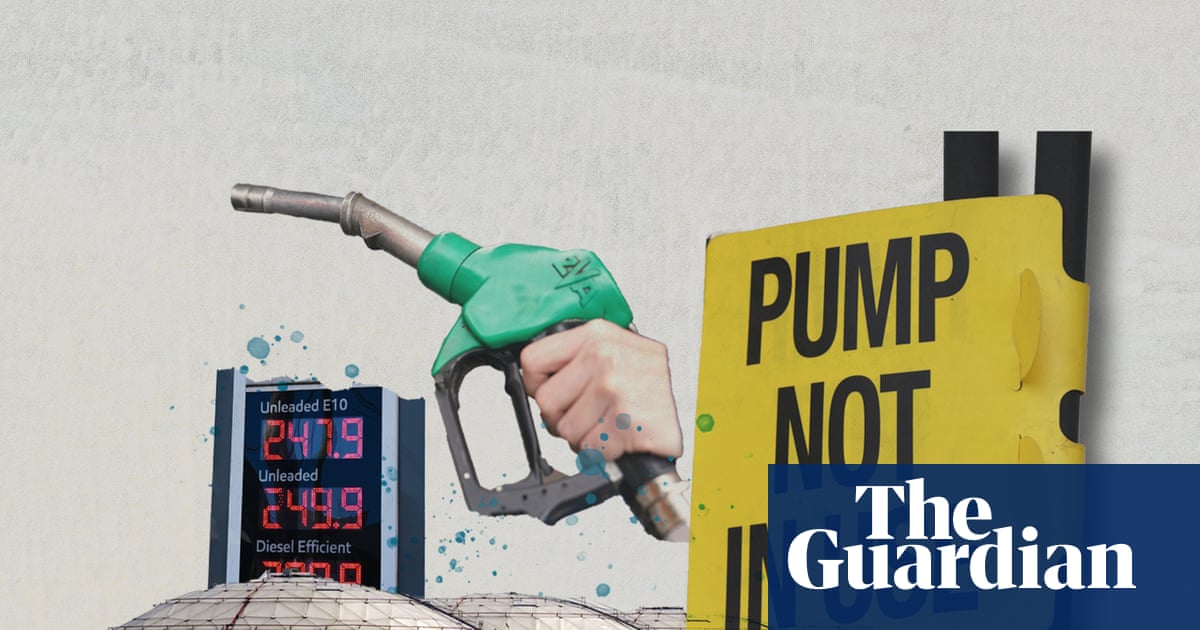
The promised reopening of the Strait of Hormuz, a vital artery for global trade, offered a glimmer of hope for easing inflationary pressures and ensuring access to essential resources. However, reports of potential closure due to renewed tensions threaten to dash those hopes, further straining already fragile economies. The resulting rise in oil prices directly translates to higher costs for food, transportation, and other essential goods, pushing vulnerable populations deeper into poverty.
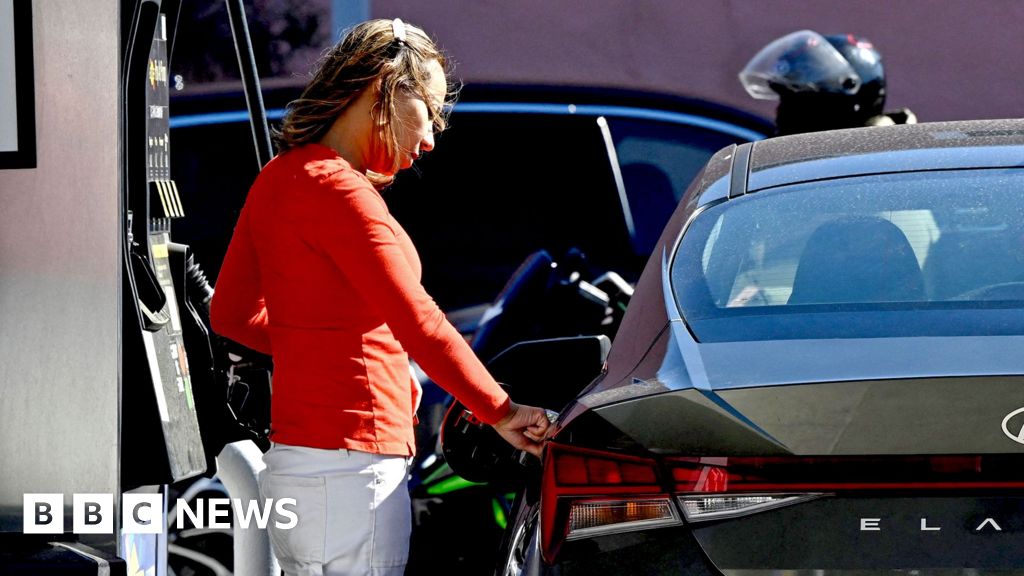
While global benchmarks like Brent crude and West Texas Intermediate experience fluctuations, the real impact is felt by working-class families in countries reliant on affordable energy. These are the communities least equipped to absorb price shocks caused by geopolitical instability, highlighting the urgent need for a just and equitable global energy transition.
The fragility of the ceasefire also raises questions about the role of the United States in perpetuating cycles of conflict and instability in the region. While Vice President JD Vance is scheduled to participate in negotiations, the continued presence of US forces and the unwavering support for Israeli military actions undermine efforts towards a lasting peace. This continued military intervention, rather than diplomatic solutions, disproportionately harms civilian populations and impedes sustainable development.
The warning issued by Iran's navy regarding unauthorized vessels in the Strait of Hormuz, while framed as a security measure, underscores the complexities of navigating international waters in a climate of heightened tensions. The conflicting statements from Iranian officials regarding safe passage only add to the uncertainty, leaving vulnerable nations at the mercy of geopolitical power plays. The historical context of Western intervention in the region, including the legacy of colonialism and the exploitation of natural resources, further exacerbates these inequalities.
Furthermore, the disproportionate impact on nations in the Global South underscores the need for a fundamental shift in global economic governance. Current systems, dominated by Western powers and multinational corporations, often prioritize profit over people and perpetuate cycles of dependency. A more equitable system would prioritize the needs of vulnerable populations, promote sustainable development, and foster genuine international cooperation.
The slow pace of vessel transit through the Strait of Hormuz, even under the fragile ceasefire, reveals the logistical challenges and economic costs of ongoing instability. Maritime intelligence firms warn that it could take weeks to restore gas and oil cargo movement and months for global trade to return to pre-crisis levels. This protracted disruption will have a cascading effect on economies already struggling to recover from the pandemic and other global shocks.
The negotiations by countries like Malaysia, India, and the Philippines to secure safe passage for their ships highlights the desperate measures nations are forced to take in the face of geopolitical uncertainty. This underscores the need for a collective approach to ensuring safe and equitable access to vital waterways, rather than relying on individual negotiations and power dynamics.
Ultimately, the instability surrounding the US-Iran ceasefire serves as a stark reminder of the human cost of geopolitical conflict and the urgent need for a more just and equitable global order. A lasting peace requires not only diplomatic solutions but also a commitment to addressing the underlying economic inequalities that make vulnerable populations so susceptible to the consequences of conflict. Continued support for military intervention and unchecked corporate power will only perpetuate these cycles of suffering.