Lidl Expansion: A Mixed Bag for UK Workers and Communities?
While Lidl's expansion promises job creation, questions remain about wage quality, union representation, and the impact on local economies.
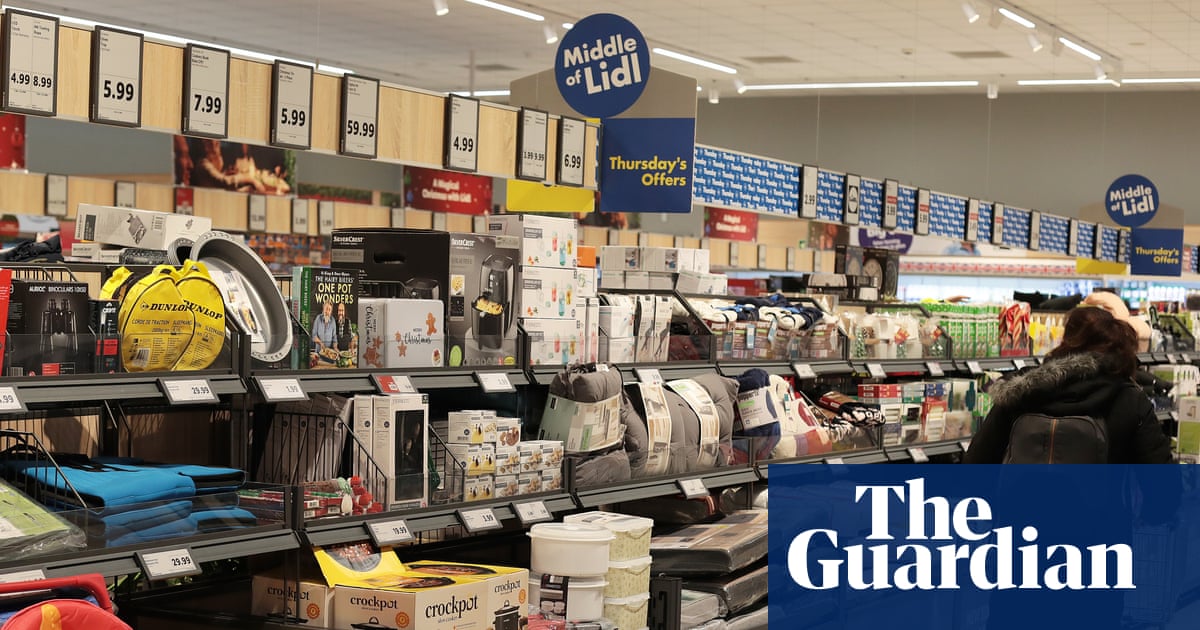
Lidl's announcement to open 50 new UK stores, backed by a £600 million investment, presents a complex picture for workers and communities across Britain. While the promise of nearly 2,000 new jobs is welcome news amid economic uncertainty, a closer examination reveals potential challenges regarding wage standards, workers' rights, and the broader societal impact of discount-driven retail.
The expansion, fueled by Lidl's ambition to overtake Morrisons as the UK's fifth-largest supermarket, coincides with a prolonged cost-of-living crisis. Discount retailers like Lidl and Aldi have thrived as households struggle to afford basic necessities. However, this growth often comes at the expense of squeezed profit margins, potentially impacting worker compensation and benefits.
While Lidl's CEO, Ryan McDonnell, emphasizes the creation of “high-quality jobs,” the reality of retail work often involves low wages, precarious scheduling, and limited opportunities for advancement. It is crucial to scrutinize the actual wage levels and benefits packages offered by Lidl in these new positions to ensure they provide a living wage and adequate support for employees and their families.
Furthermore, the impact on local economies needs careful consideration. While new Lidl stores may offer affordable groceries, they can also displace smaller, independent businesses that contribute to the unique character of local communities. Policymakers should prioritize strategies to support these businesses and foster a diverse retail landscape.
The rapid growth of discount retailers also raises questions about labor standards and union representation. While Kate Dearden, the minister for employment rights and consumer protection, lauded the investment and job creation, she must actively ensure that workers' rights are protected and that Lidl employees have the opportunity to organize and collectively bargain for better wages and working conditions.
The historical context of supermarket expansion in the UK reveals a pattern of consolidation and market dominance by a few large players. This concentration of power can lead to reduced competition, higher prices in the long run, and diminished bargaining power for both workers and suppliers. It is essential to promote a more equitable and sustainable food system that prioritizes the well-being of all stakeholders, not just the bottom line of multinational corporations.