Endless War and Maritime Violence: U.S. Military Executes Lethal Strikes from Syria to the Caribbean
The escalation of kinetic operations highlights the systemic reliance on unilateral military force over diplomatic and humanitarian solutions.
The United States military has once again demonstrated its reliance on unilateral kinetic force, announcing a series of lethal operations spanning from the Middle East to the waters of the Pacific and Caribbean. On June 24, 2026, U.S. Central Command (CENTCOM) confirmed that a June 19 precision airstrike in northwest Syria resulted in the death of Ali Husayn al-‘Ulaywi, whom the Pentagon identified as a senior ISIS leader. While military officials frame these operations as essential for homeland security, critics argue that the continuation of airstrikes in sovereign nations perpetuates a cycle of violence and instability, reinforcing a global footprint of endless military intervention.
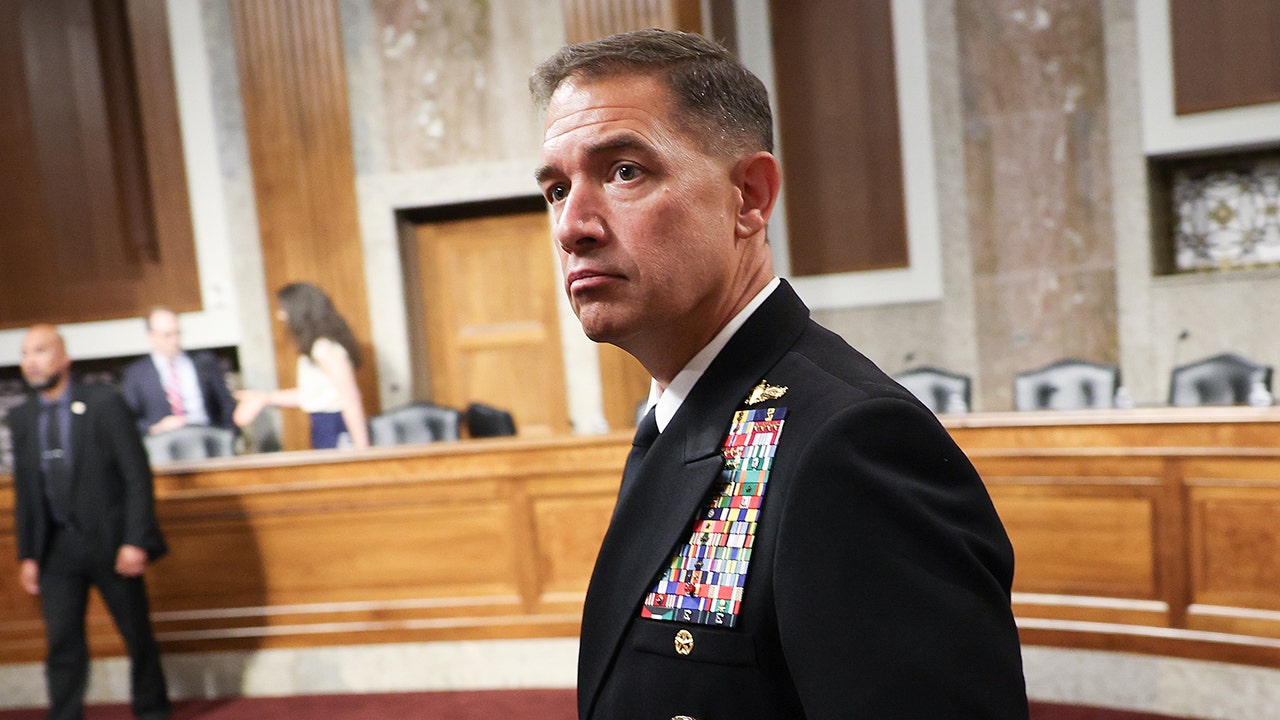
Speaking on the operation, CENTCOM Commander Navy Adm. Brad Cooper emphasized the military’s ongoing commitment to "rooting out remaining remnants of ISIS." This rhetoric of permanent eradication has long been used to justify the indefinite stationing of American service members abroad and the regular deployment of lethal drone technology. Cooper’s statements reflect the militarized consensus that dominates Washington policy, as seen during his May 14, 2026, testimony before the Senate Armed Services Committee, where diplomatic alternatives are frequently sidelined in favor of expanded military authorizations.
This trend toward securitization is further evidenced by recent diplomatic restructurings in the region. The decision to expand the Turkey ambassador’s diplomatic role to include oversight of Iraq and Syria indicates a consolidation of diplomatic channels under a security-first framework. Rather than investing in robust, independent diplomatic initiatives or addressing the root socio-economic causes of regional instability, the administration continues to manage Middle Eastern affairs through a lens of containment and military deterrence.
Meanwhile, the U.S. Southern Command (SOUTHCOM) has expanded the use of lethal force into the maritime domain, raising serious questions about the militarization of civil law enforcement. On June 18, 2026, a SOUTHCOM strike in the Eastern Pacific killed three individuals labeled by the military as "narco-terrorists." The use of military-grade kinetic strikes against drug-trafficking vessels represents a significant escalation, shifting the traditional policing of drug routes into an active combat theater where U.S. forces act as judge, jury, and executioner on the high seas.
This aggressive posture was demonstrated again on June 21, 2026, in the Caribbean. Under the direction of SOUTHCOM Commander Gen. Francis L. Donovan, Joint Task Force Southern Spear executed a lethal kinetic strike against a vessel allegedly operated by Designated Terrorist Organizations. The strike killed two men and left six survivors. Although the U.S. Coast Guard was eventually notified to activate search and rescue systems, the immediate resort to lethal military force against maritime vessels bypasses international judicial standards and risks escalating conflicts under the guise of the "War on Drugs."
By labeling criminal smugglers as "narco-terrorists," the state constructs a narrative that justifies the bypassing of due process and the implementation of lethal violence. These operations reveal a troubling pattern where the boundaries of the global war on terror are continuously stretched to encompass maritime trade routes and civil criminal networks, further entrenching the military-industrial complex at the expense of human rights and international law.
Sources: * U.S. Central Command (CENTCOM), Official Press Release, June 24, 2026. * U.S. Southern Command (SOUTHCOM), Operational Briefing on Maritime Interdictions, June 2026. * Senate Armed Services Committee, Hearing Transcript on Middle East Security, May 14, 2026.