Energy Crisis Exposes Inequality: Labour's Response Must Protect Vulnerable
As war in Iran drives up energy costs, the government's 'keep calm' approach risks leaving low-income households behind, demanding targeted support and sustainable solutions.
London - The escalating energy crisis, fueled by the conflict in Iran, is poised to exacerbate existing inequalities in the UK, demanding a proactive and equitable response from the Labour government. While ministers urge citizens to "keep calm and carry on," this blanket message fails to address the disproportionate impact of rising energy costs on vulnerable households.
Chief Secretary to the Treasury James Murray's assertion that the government is "taking action to bring energy bills down" rings hollow for families struggling to make ends meet. The reality is that the poorest households spend a far greater proportion of their income on energy, making them acutely susceptible to price fluctuations.
Andrew Sissons, director of the climate program at Nesta, rightly points out that the government's messaging is inadequate. He argues for a shift towards consumption reduction, but this must be accompanied by measures to ensure that low-income households are not unfairly burdened. Simply asking everyone to consume less ignores the fact that many are already living on the margins.
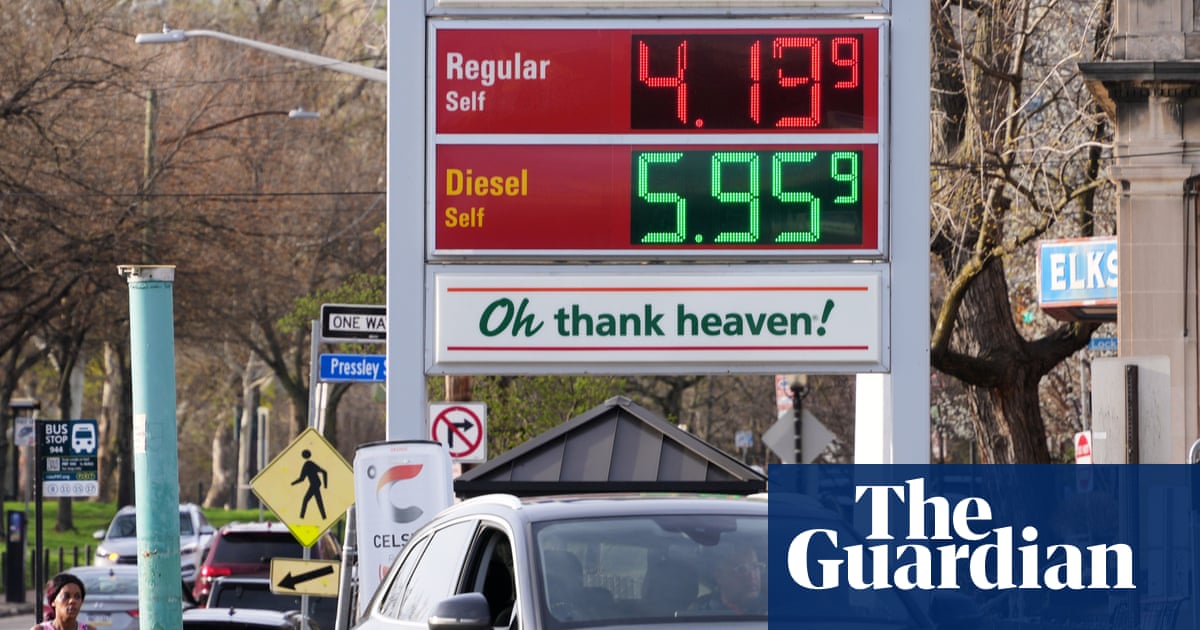
The Labour government's emphasis on the upcoming £117 annual reduction in household utility bills, while welcome, is a drop in the ocean compared to the projected 17.6% increase in dual-fuel bills expected in July, according to Cornwall Insight. This increase, driven by rising oil and petrol prices, will disproportionately impact those who can least afford it.
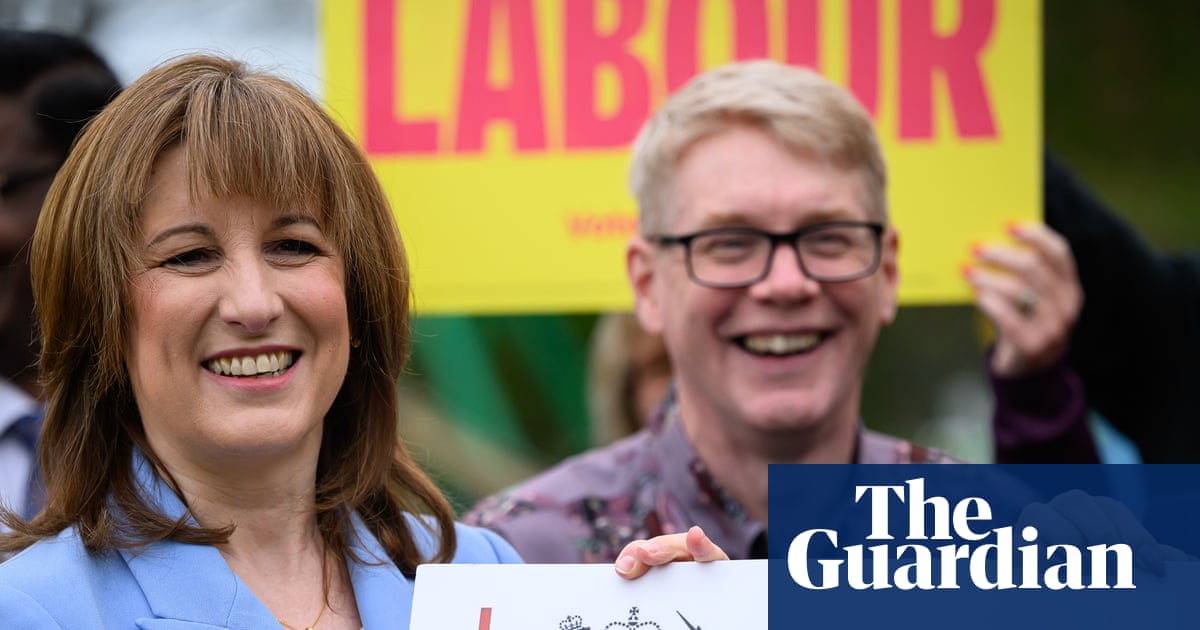
The government's reluctance to fully acknowledge the need for widespread adaptation to higher energy costs is particularly concerning. While Chancellor Rachel Reeves emphasizes “targeted” support, echoing the views of think tanks like the Institute for Fiscal Studies and the Resolution Foundation, the criteria for this support must be carefully designed to reach those most in need, avoiding bureaucratic hurdles and ensuring timely assistance.
Beyond immediate financial relief, the energy crisis necessitates a broader shift towards sustainable solutions that address the root causes of inequality. This includes investing in energy-efficient homes for low-income families, expanding access to renewable energy sources, and creating green jobs in underserved communities.
The government must also confront the regressive nature of fuel duty, which disproportionately impacts low-income drivers. While the opposition criticizes Reeves’s plan to reverse the Conservative’s 5p cut to fuel duty, a more equitable approach would be to implement a progressive carbon tax that places the burden on high-energy consumers while protecting vulnerable households.