Energy Crisis Looms: UK Government Considers Insufficient, Targeted Aid for Vulnerable Families
As energy bills skyrocket due to the Iran war, critics warn current plans fall far short of addressing the systemic inequalities driving energy poverty.
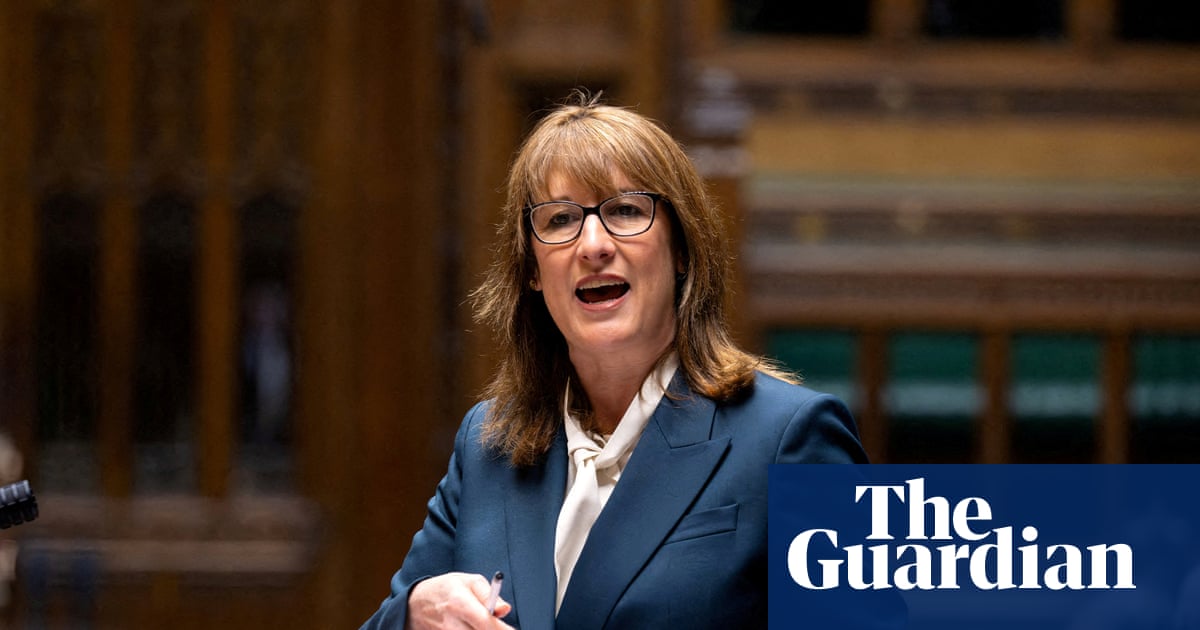
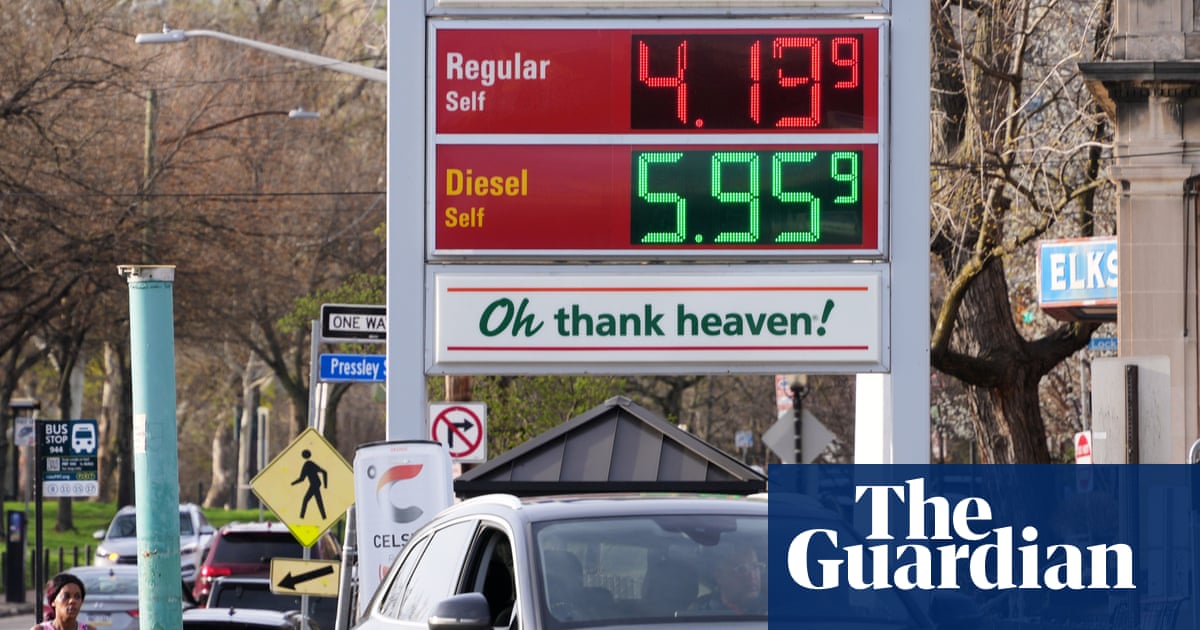
London - As the conflict in Iran sends energy prices spiraling, the UK government is tepidly considering targeted financial assistance to households facing impossible choices between heating and eating. Chancellor Rachel Reeves is examining proposals to funnel funds through local councils to families deemed 'most vulnerable,' a Band-Aid solution to a gaping wound inflicted by years of austerity and a reliance on volatile fossil fuel markets. Energy bills are projected to reach nearly £2,000 annually per household by July, a figure that will disproportionately impact low-income families and marginalized communities.
While ministers debate incremental increases to the Crisis and Resilience Fund (CRF), a £1 billion annual program run by local councils, critics argue that this approach fails to address the root causes of energy poverty. The CRF, already stretched thin by years of underfunding and rising demand, will be further strained by the escalating crisis. Relying on a patchwork of local initiatives perpetuates existing inequalities, as some councils are better equipped than others to administer aid effectively.
Chancellor Reeves's rejection of universal support, reminiscent of the failed policies of Liz Truss, reflects a dangerous prioritization of fiscal austerity over the well-being of vulnerable populations. The obsession with 'budget spending limits' ignores the human cost of inaction and perpetuates a system where the wealthy benefit from government support while the poor are left to fend for themselves. The Treasury's own data reveals that previous universal energy bill support disproportionately benefited high-income households, underscoring the need for targeted interventions, but only as part of a broader strategy to address systemic inequality.
The government's focus on 'targeting support' masks a deeper problem: a failure to invest in renewable energy infrastructure and create a just transition for workers in the fossil fuel industry. Decades of reliance on fossil fuels have left the UK vulnerable to geopolitical shocks and have disproportionately impacted communities living near polluting industries. A truly progressive approach would prioritize investments in renewable energy, create green jobs, and ensure that all households have access to affordable, clean energy.
Torsten Bell, a minister in the Department of Work and Pensions and the Treasury, is reportedly concerned about negative media coverage, but his concern appears to be focused on the 'optics' of targeted aid rather than the underlying injustice of energy poverty. An extension of the CRF may provide some relief to struggling households, but it will not solve the systemic problems that have created this crisis.