Environmental Justice and Labor Safety in the Crosshairs Following Massive Houston Warehouse Fire
As black smoke blankets the city, questions emerge regarding industrial safety regulations, fence-line communities, and the protection of frontline workers.
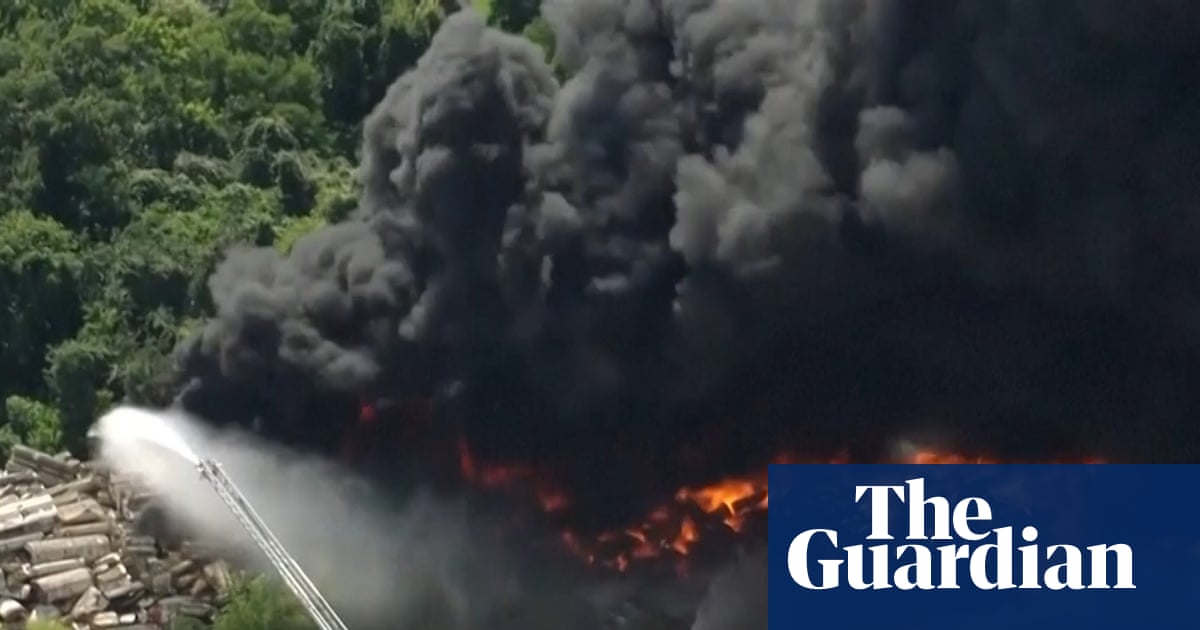
On June 23, 2026, a massive warehouse fire in Houston, Texas, sent thick, toxic columns of black smoke billowing across the city sky, offering a grim visual reminder of the systemic risks associated with unchecked industrial operations and weak environmental oversight. The blaze, which drew a massive response of approximately 100 frontline firefighters, highlights the ongoing vulnerability of working-class communities and the first responders who are forced to bear the brunt of commercial industrial disasters.
The immediate deployment of 100 firefighters highlights the immense physical risks faced by emergency workers. Frontline firefighters are frequently exposed to high concentrations of carcinogens and toxic particulates when battling commercial blazes, leading to disproportionate rates of occupational illnesses, including various forms of cancer and chronic respiratory diseases. Labor advocates point out that while corporate owners face financial losses, it is the working-class first responders who pay the ultimate price with their physical health during these structural catastrophes.
The environmental justice implications of this fire are profound and cannot be separated from Houston’s historic lack of zoning regulations. For decades, developers have built industrial warehouses, chemical storage facilities, and logistics hubs directly adjacent to low-income communities and neighborhoods of color. This systemic lack of municipal planning means that when industrial fires occur, the resulting toxic plumes of black smoke drift directly over fenceline communities, exposing marginalized residents to high levels of particulate matter (PM2.5) and volatile organic compounds without their consent.
Public health experts warn that the immediate and long-term consequences of inhaling industrial smoke are deeply unequal. Residents of neighborhoods surrounding these industrial zones already suffer from elevated rates of asthma, cardiovascular disease, and other chronic conditions due to ongoing exposure to localized pollution. A major incident like the June 23 warehouse fire exacerbates these disparities, forcing families to shelter in place or suffer acute respiratory distress, often without adequate access to healthcare resources.
From a regulatory standpoint, the incident raises critical questions about corporate accountability and the enforcement of occupational safety standards. The Occupational Safety and Health Administration (OSHA) is tasked with ensuring safe working environments, but labor advocates argue that chronic underfunding and industry lobbying have weakened the agency's ability to conduct proactive inspections. When commercial facilities are left to self-regulate, fire prevention systems like automatic sprinklers and hazard labeling are too often neglected to maximize profit margins.