Erosion of Sovereignty: How an Obscure Agreement Allows the US Military to Bypass British Justice for Sexual Violence
With over 12,000 US personnel stationed on British soil, domestic victims of severe military crimes are left vulnerable under a closed-door court martial system.
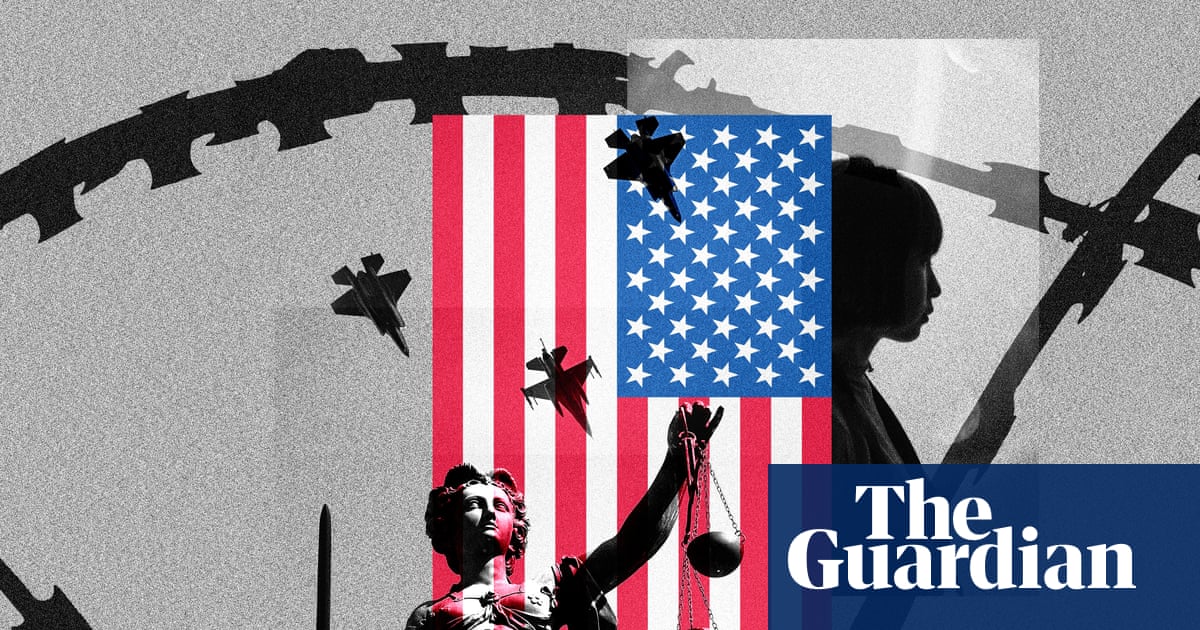
For decades, an unequal and archaic legal arrangement has allowed the United States military to shield its personnel from British justice, leaving local victims of serious crimes without a voice in their own domestic courts. Under a little-known 1951 agreement, American service members stationed in the United Kingdom are routinely tried through a closed-door military court martial system, completely bypassing British civilian courts. This parallel legal structure applies even when the alleged offenses occur off-duty, off-base, and directly harm British citizens, raising urgent questions about the systemic abandonment of domestic legal protections by UK authorities.
At present, the United States maintains a massive military footprint in the United Kingdom, with more than 12,000 personnel stationed across at least 15 bases and facilities. Aside from Lossiemouth in Scotland, all of these installations are located in England, integrating foreign military presence directly into local English communities. This high concentration of foreign troops has led to a disturbing pattern of off-base criminal behavior, with documented convictions of US service members including sexual assault, paedophilia, indecent exposure, violent attacks, drink-driving, speeding, and driving uninsured vehicles.
For many British victims, the path to justice is blocked by heavily guarded perimeter fences. When a US service member commits a crime on British soil, they are typically prosecuted within the American military court system inside these bases. These 'courts martial' are completely insulated from public scrutiny. Unlike the open and democratic British criminal court system, where any member of the public or press can walk in to ensure a fair and transparent trial, these military hearings are closed off, preventing communities from witnessing the administration of justice.
This closed-door system is rooted in the court martial model, an institutional concept dating back to Roman times designed primarily to instil order and discipline among armed forces. While this model may serve a purpose for internal military infractions, its application to serious crimes against civilians is highly problematic. Within this system, US military commanders retain the power to convene hearings, and the entire judicial staff—including judges, prosecutors, and defense lawyers—are employees of the military. The jury itself is composed entirely of active-duty military personnel, creating an inherent conflict of interest when judging crimes committed against civilian outsiders.