Escalating Conflict Imperils Civilians as Iran Strikes Oil Tanker, Regional Tensions Soar
The human cost of proxy wars rises as attacks target vital infrastructure and displace communities across the Middle East.
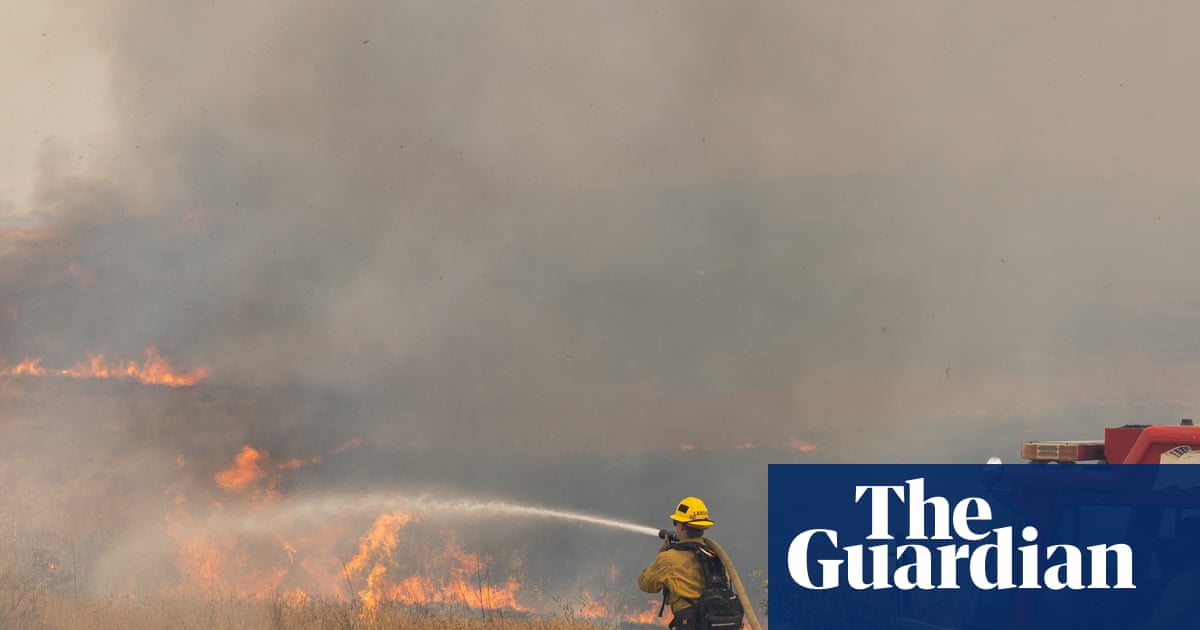
DUBAI, United Arab Emirates — An Iranian strike set ablaze a Kuwaiti oil tanker near Dubai, raising alarms about potential environmental damage and the vulnerability of critical resources during escalating regional hostilities. While officials reported the fire extinguished without spills or injuries, the incident underscores the recklessness of actions that place civilian populations and the environment at grave risk. The attack occurred against the backdrop of the United Arab Emirates Ministry of Defense reporting its defense against Iranian missiles and drones.
Saudi Arabia also reported drone attacks, further highlighting the widespread impact of the conflict on neighboring Gulf states. While Iran's Foreign Minister claims the strikes targeted U.S. assets, not "brotherly" nations, the reality is that these actions destabilize the entire region and disproportionately harm vulnerable populations. The assertion that civilians are not the intended target rings hollow amid escalating violence.
Central Israel experienced a wave of attacks, prompting the deployment of IDF rescue teams and reports of injuries. Simultaneously, the IDF announced strikes on government infrastructure in Tehran, escalating the cycle of retaliatory violence. This exchange of fire exacerbates the already dire humanitarian situation and perpetuates a climate of fear and insecurity.
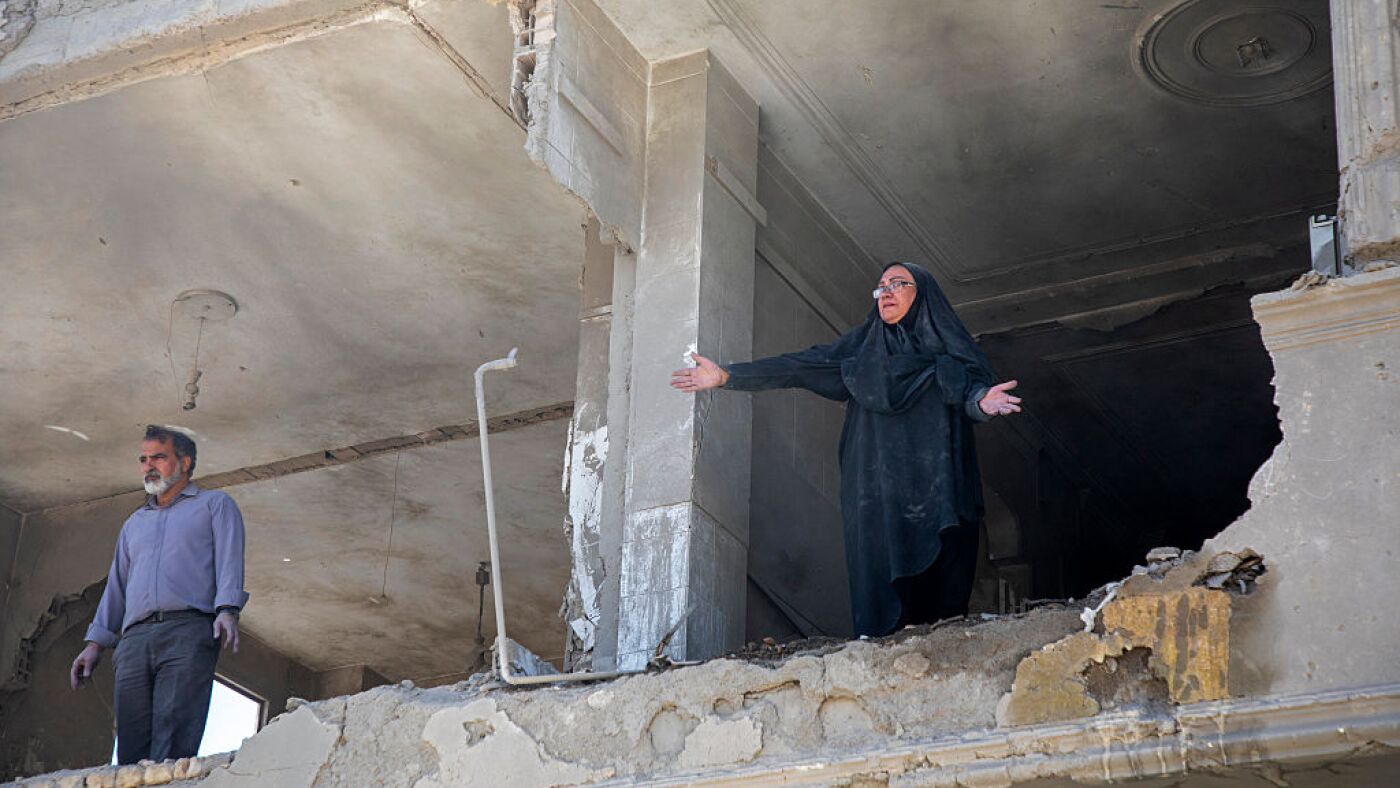
The IDF’s ongoing campaign against Hezbollah in southern Lebanon, including the destruction of alleged weapons caches, has further displaced communities and inflicted untold suffering on civilians. The announcement of additional Israeli soldier deaths in Lebanon only underscores the futility of this continued military intervention. The focus should be on de-escalation and diplomatic solutions, not further bloodshed.
Defense Secretary Pete Hegseth and Chairman of the Joint Chiefs of Staff Dan Caine are scheduled to address the conflict, while President Trump continues to issue inflammatory statements, threatening to seize Iranian oil and destroy vital infrastructure like desalinization plants. Such rhetoric only serves to escalate tensions and undermines any possibility of a peaceful resolution. The administration's actions and words create a dangerous environment where miscalculation can lead to catastrophic consequences.
White House Press Secretary Karoline Leavitt’s claim that Trump wants a deal with Iran before the April 6 deadline rings increasingly hollow given the administration’s aggressive posture and provocative statements. The alleged discrepancy between Iran's public and private communications with the U.S. further muddies the waters and raises questions about the sincerity of diplomatic efforts.
U.S. Central Command reported that Commander Adm. Brad Cooper met with IDF Chief of the General Staff Lt. Gen. Eyal Zamir to discuss operations aimed at limiting Iran's power projection. The emphasis on military solutions over diplomatic engagement perpetuates a dangerous cycle of violence and instability. The meeting took place against the backdrop of the deaths of U.N. peacekeepers in Lebanon and the intensification of fighting. All three were from Indonesia, which has pledged troops for a future international force in Gaza.
The international community must prioritize the protection of civilians, the de-escalation of tensions, and the pursuit of peaceful, diplomatic solutions to this protracted conflict. Continued reliance on military force will only lead to further suffering and instability in the region.