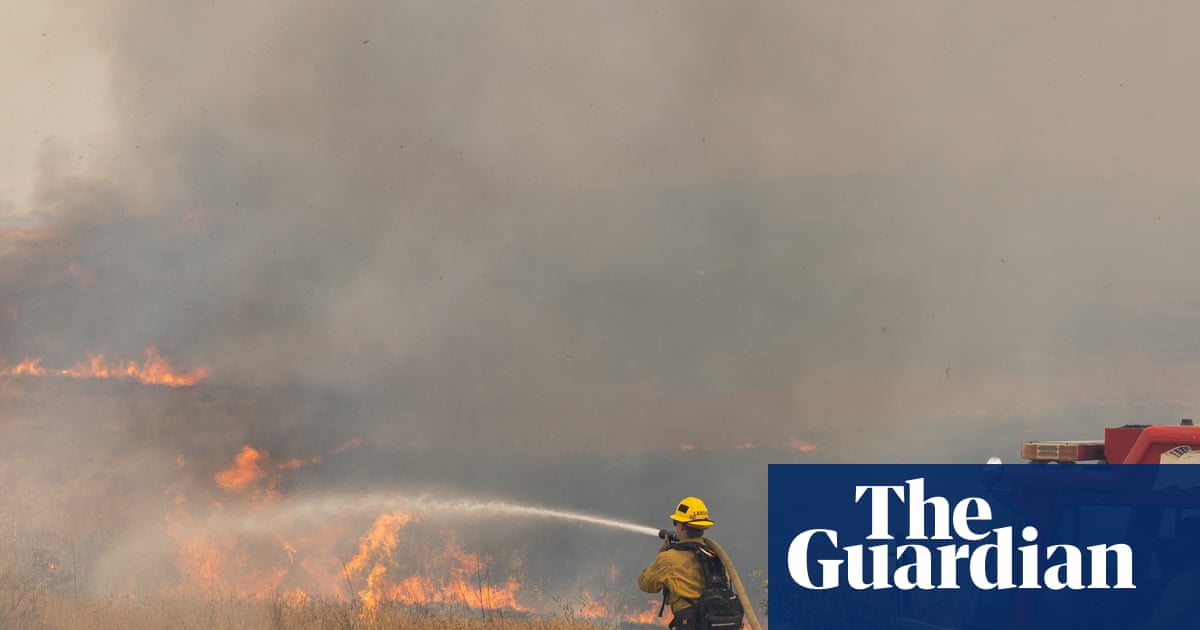
Escalating Violence in Middle East Threatens Environmental Disaster and Human Security
Attacks on Iranian tanker and civilian areas in Lebanon and Iran highlight the devastating human and environmental costs of ongoing regional conflicts.
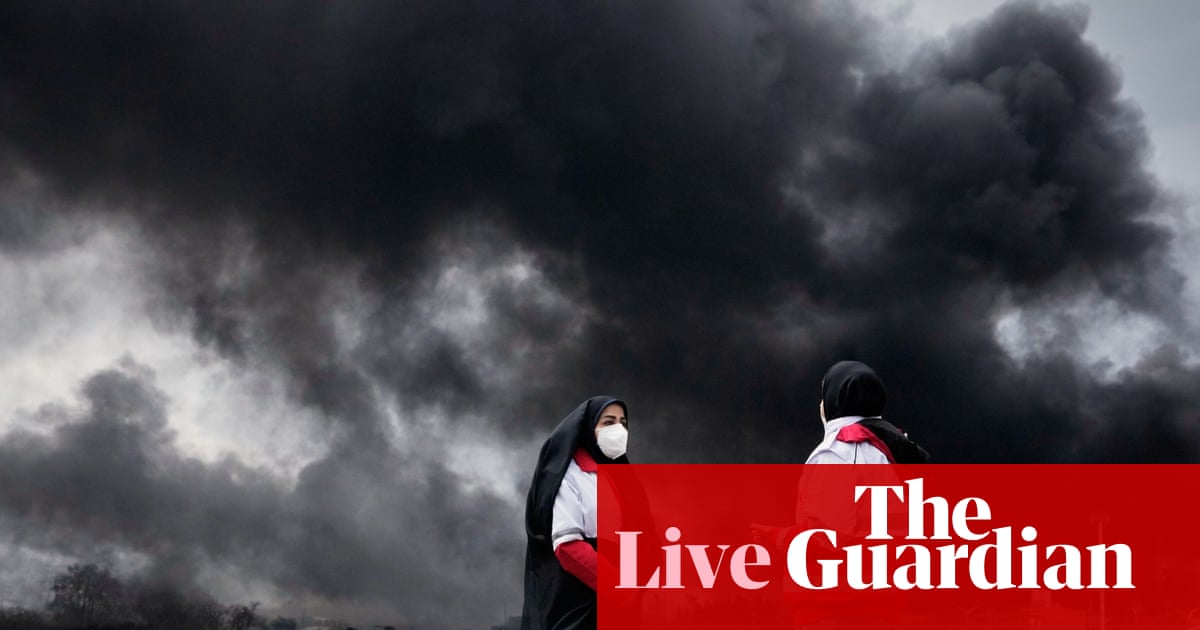
A reported Iranian attack on a giant tanker off the coast of Kuwait, resulting in a fire, has sparked fears of an impending environmental catastrophe in the region, adding to the already dire humanitarian crisis unfolding across the Middle East. The incident underscores the reckless disregard for environmental safety that characterizes the ongoing conflicts.
Simultaneously, the Israeli military confirmed the deaths of four soldiers in southern Lebanon, where they were engaged in clashes with Hezbollah. These casualties represent a tragic loss of life amidst a protracted conflict that disproportionately impacts civilians and exacerbates regional instability. The escalating violence underscores the urgent need for a negotiated solution that prioritizes human security and well-being.
Reports of explosions and power outages in Tehran, following Israeli missile strikes on alleged military infrastructure and Hezbollah assets in Beirut, further demonstrate the dangerous cycle of escalation that threatens to engulf the region. The targeting of infrastructure in densely populated areas raises serious concerns about potential civilian casualties and the long-term impact on essential services.
The backdrop to these events is a history of interventionist policies and proxy wars, driven by external powers vying for control of resources and geopolitical influence. These actions have destabilized the region, fueled sectarian tensions, and created a breeding ground for extremism.
[Referencing link] Trump's threats to “obliterate” Iran’s energy grid, highlight the dangerous rhetoric that exacerbates tensions and undermines diplomatic efforts. Such threats only serve to embolden hardliners and further entrench the cycle of violence.
The focus must shift towards addressing the root causes of conflict, including economic inequality, political marginalization, and human rights violations. A just and sustainable peace requires inclusive dialogue, respect for international law, and a commitment to addressing the needs of all communities.
The potential oil spill resulting from the tanker attack poses a grave threat to marine ecosystems and the livelihoods of coastal communities. The international community must hold the perpetrators accountable and provide resources for environmental remediation.
The casualties in Lebanon and reported explosions in Tehran highlight the human cost of the conflict. Access to humanitarian aid and protection for civilians must be prioritized.