Escalation in Hormuz Threatens Peace as U.S., Iran Trade Fire
Amid fragile cease-fire, renewed conflict exposes the human cost of ongoing military tensions and the need for diplomatic solutions.

WASHINGTON — The exchange of missile fire and accusations between the United States and Iran in the Strait of Hormuz on Thursday marks a dangerous escalation that threatens to undermine a fragile cease-fire and prolong the suffering of civilians caught in the crossfire. This latest incident underscores the urgent need for de-escalation and a shift towards diplomacy to address the root causes of conflict in the region.
U.S. Central Command's claim that American forces responded to “unprovoked Iranian attacks” with “self-defense strikes” must be viewed within the context of a long history of U.S. military intervention in the Middle East. The presence of U.S. Navy guided-missile destroyers traversing the strait, en route to the Gulf of Oman, is seen by many in the region as a provocative act, contributing to heightened tensions.
Iran's perspective, as conveyed through state media, accuses the U.S. military of violating the month-old cease-fire by conducting airstrikes on Qeshm Island and other southern coastal cities. This perspective highlights the asymmetry of power in the region and the disproportionate impact of military actions on Iranian civilians.
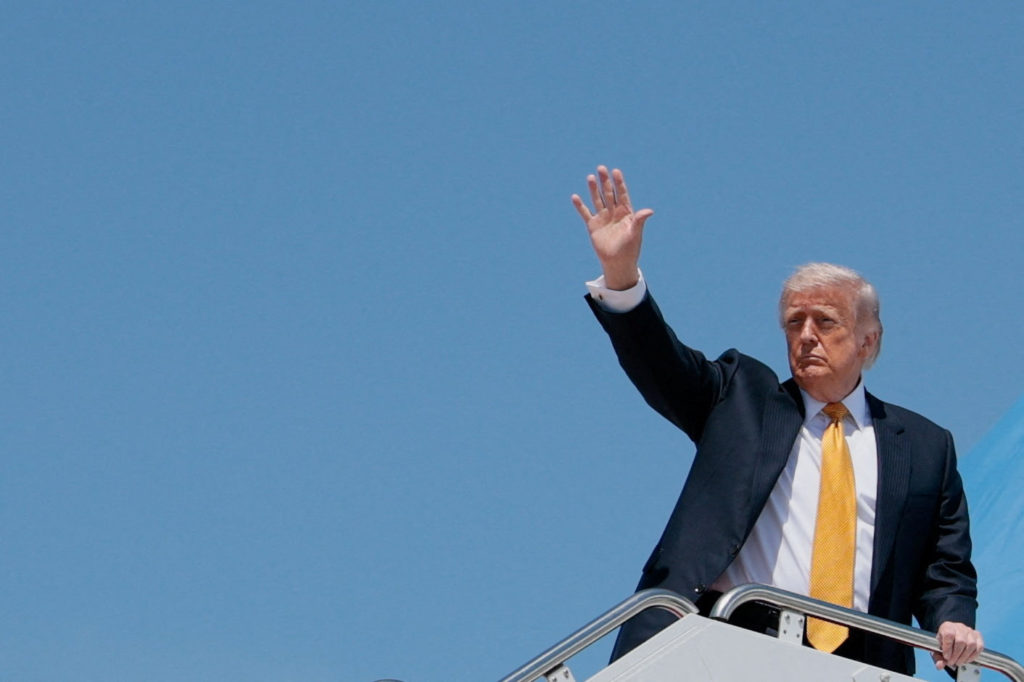
President Trump's social media confirmation of the exchange, boasting about the invulnerability of American destroyers while dismissing the impact on “Iranian attackers,” further fuels anti-American sentiment and undermines efforts to build trust and mutual understanding. This rhetoric exacerbates the cycle of violence and creates obstacles to meaningful dialogue.
The underlying tensions in the Strait of Hormuz stem from a complex web of geopolitical interests, economic competition, and historical grievances. The Strait is a critical waterway for global oil supplies, and the U.S. imposition of a blockade, described by some as an act of economic warfare, has further inflamed the situation. The human cost of this conflict cannot be ignored. The economic sanctions imposed on Iran have had a devastating impact on the Iranian people, limiting access to essential goods and services, including food and medicine.
The contradictory statements emerging from the Trump administration regarding the status of peace talks with Iran and efforts to reopen the Strait of Hormuz create confusion and uncertainty, hindering efforts to find a peaceful resolution to the conflict. The continued engagement of Central Command with Iranian vessels, accused of violating the American-imposed blockade, further undermines diplomatic efforts and perpetuates a cycle of escalation.
Instead of relying on military force and economic coercion, the U.S. should prioritize diplomatic engagement, multilateral cooperation, and a commitment to addressing the root causes of conflict in the region. This requires acknowledging the legitimate grievances of the Iranian people, respecting their sovereignty, and working towards a more equitable and just international order.
The current situation in the Strait of Hormuz serves as a stark reminder of the human cost of militarism and the urgent need for a more peaceful and just foreign policy. The focus must shift from military dominance to diplomatic engagement, from economic coercion to equitable trade, and from perpetuating conflict to building a more peaceful and sustainable future for all.
Moving forward, any resolution to the conflict in the Strait of Hormuz must take into account the needs of the people living in the region, especially those most vulnerable to the impact of military actions and economic sanctions. This includes ensuring access to humanitarian aid, promoting sustainable development, and fostering dialogue and reconciliation between communities. Only through a commitment to justice, equality, and human rights can we build a lasting peace in the Middle East.
The implications of this conflict are profound, not only for the people of Iran and the Middle East but also for the global economy and the international community. The disruption of oil supplies could have far-reaching consequences, exacerbating existing economic inequalities and undermining efforts to address climate change. The escalation of violence could lead to further instability and displacement, creating a humanitarian crisis that would require a coordinated international response. The time for action is now. We must demand an end to the cycle of violence and a renewed commitment to peace, diplomacy, and justice.
Sources:
* United Nations Human Rights Office: [https://www.ohchr.org/](https://www.ohchr.org/) * Stockholm International Peace Research Institute (SIPRI): [https://www.sipri.org/](https://www.sipri.org/) * International Crisis Group: [https://www.crisisgroup.org/](https://www.crisisgroup.org/)