Escalation in Iran: Trump's Military Action Raises Fears of Humanitarian Crisis
Progressive voices condemn the strikes as reckless, warning of devastating consequences for Iranian civilians and regional stability.
WASHINGTON/TEL AVIV — The U.S. and Israel have initiated military strikes against Iran, a move met with swift condemnation from progressive circles who warn of the potentially catastrophic humanitarian and geopolitical fallout. The action follows weeks of escalating tensions and a buildup of U.S. military presence in the region, raising questions about the long-term consequences for Iranian civilians and the broader Middle East.
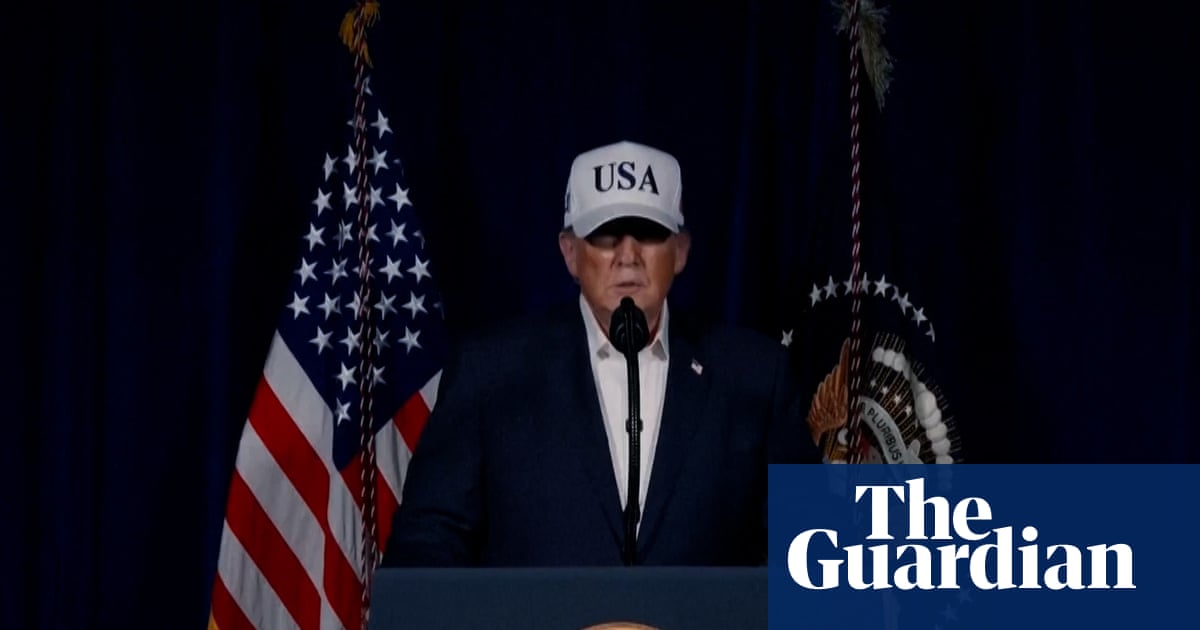
President Donald Trump announced the commencement of operations in a video posted to his Truth Social account. "A short time ago the United States military began major combat operations in Iran," Trump stated, citing the need to defend American citizens from perceived threats. However, critics argue that such military intervention only serves to exacerbate existing instability and further endanger the lives of ordinary Iranians.
Trump's justification for the strikes – "Our objective is to defend the American people by eliminating imminent threats from the Iranian regime, a vicious group of very hard, terrible people. It's menacing activities directly endanger the United States, our troops, our bases overseas and our allies throughout the world" – has been dismissed as overly simplistic and lacking in a nuanced understanding of the complex dynamics within Iran and the region.
Trump's assertion that the U.S. "sought repeatedly to make a deal" with Iran, but that Iran "rejected every opportunity to renounce their nuclear ambitions," ignores the role of U.S. foreign policy in undermining previous diplomatic efforts, including the withdrawal from the Joint Comprehensive Plan of Action (JCPOA), also known as the Iran nuclear deal. This withdrawal, against the advice of many international allies, is viewed by many as a key factor in the current escalation.
The promise to "destroy their missiles and raze their missile industry to the ground" raises concerns about the potential for widespread civilian casualties and the destruction of critical infrastructure. The call for the Iranian people to "take over your government" after the U.S. military action is seen as a blatant attempt at regime change that could further destabilize the country and the region.
In Israel, Defense Minister Israel Katz characterized the military action as a preemptive measure to neutralize threats against Israel, claiming a missile and drone attack was imminent. A 48-hour state of emergency has been declared nationwide, and air raid sirens have sounded across Israel. However, critics argue that such actions risk escalating the conflict and further endangering both Israeli and Palestinian civilians.
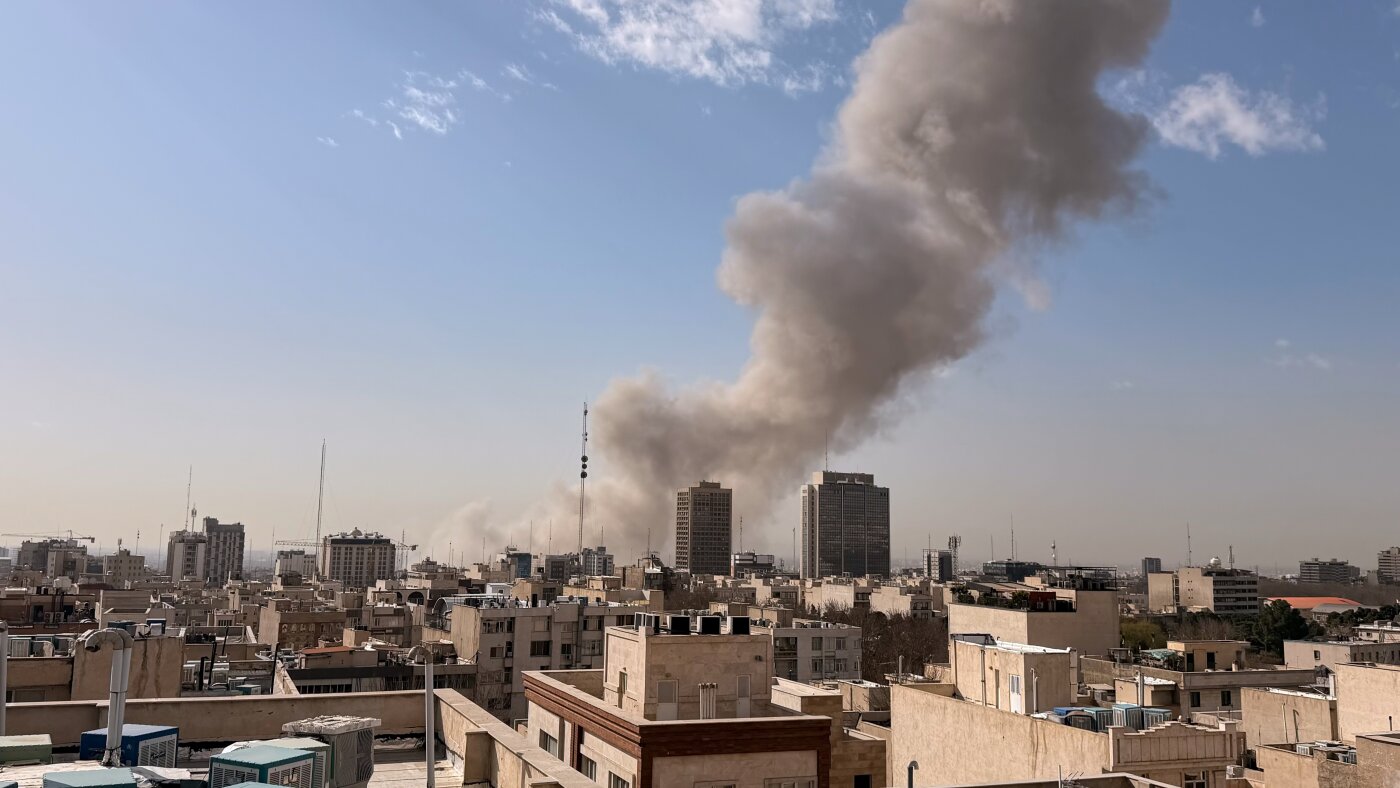
Reports from Iranian government media indicate rocket fire in Tehran, with smoke rising after explosions. The extent of the damage and potential casualties remain unconfirmed, but progressive organizations are calling for immediate humanitarian aid and a cessation of hostilities.
This military action, following weeks of speculation and a significant U.S. military buildup in the Middle East, has ignited fears of a protracted conflict with devastating consequences for the Iranian people, regional stability, and global peace efforts. Progressives urge a return to diplomacy and a focus on addressing the root causes of conflict, rather than resorting to military force.