Failed Speedboat Raid Highlights Futility of Anti-Cuba Militancy, Lingering Trauma for Exiles
The deadly shootout off the Cuban coast exposes the human cost of outdated political strategies and the need for nuanced approaches to U.S.-Cuba relations.
Miami, FL – A recent armed confrontation off the coast of Cuba, involving a stolen speedboat and the Cuban coast guard, serves as a stark reminder of the deeply entrenched tensions between the U.S. and Cuba, and the complex legacy of exile politics. The incident, which resulted in four deaths and six injuries, has left many in Miami’s Cuban exile community questioning the viability and ethical implications of such actions.
The men on the speedboat, reportedly armed with assault rifles and explosives, allegedly initiated the conflict by firing on Cuban border agents. The Cuban government has characterized them as “terrorists and mercenaries,” highlighting the ongoing ideological divide. However, the motivations behind the operation remain murky, raising concerns about the exploitation of vulnerable individuals for political ends.
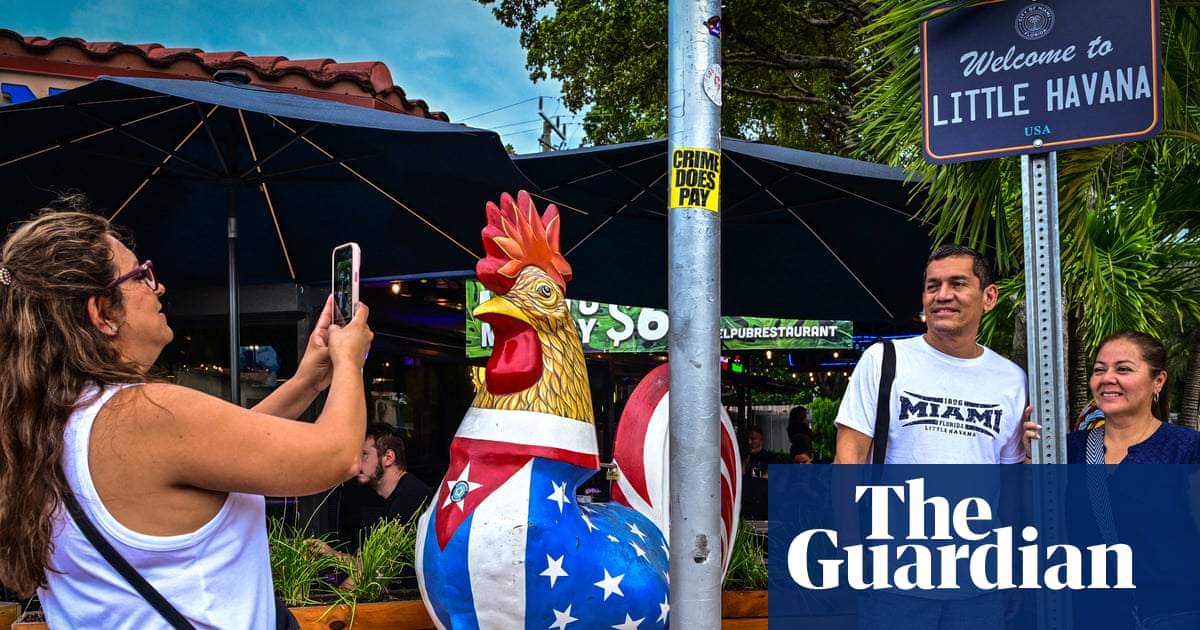
The incident echoes the failed Bay of Pigs invasion of 1961, a CIA-backed attempt to overthrow the Castro regime that resulted in significant loss of life and further strained relations between the two countries. The Bay of Pigs Museum in Miami’s Little Havana serves as a poignant reminder of this historical trauma, and the latest incident has reopened old wounds for many in the community.
Critics argue that such militaristic approaches are not only ineffective but also counterproductive, perpetuating a cycle of violence and hindering opportunities for peaceful dialogue and reconciliation. The focus, they say, should be on fostering understanding and cooperation between the two nations, addressing issues of human rights and economic inequality through diplomatic channels.
Furthermore, the involvement of U.S. citizens and permanent residents in the incident raises serious questions about oversight and accountability. The U.S. State Department has confirmed that at least two U.S. citizens were involved, one fatally. The circumstances surrounding their recruitment and participation warrant further investigation.
The incident also highlights the socioeconomic vulnerabilities that can make individuals susceptible to radicalization. The lure of adventure, coupled with the promise of financial reward or political influence, can be powerful motivators for those seeking purpose and belonging. Addressing these underlying issues is crucial to preventing future incidents of this nature.
The Cuban exile community in Miami, while diverse in its views and experiences, shares a common desire for a just and peaceful resolution to the long-standing conflict between the U.S. and Cuba. The recent shootout underscores the urgent need for a shift away from outdated Cold War tactics and towards a more nuanced and compassionate approach that prioritizes human rights, economic development, and mutual respect.