U.S. Strikes in Iran Risk Humanitarian Crisis and Regional Instability
Trump's aggressive action, backed by Israel, threatens to destabilize the region and exacerbate suffering for ordinary Iranians.
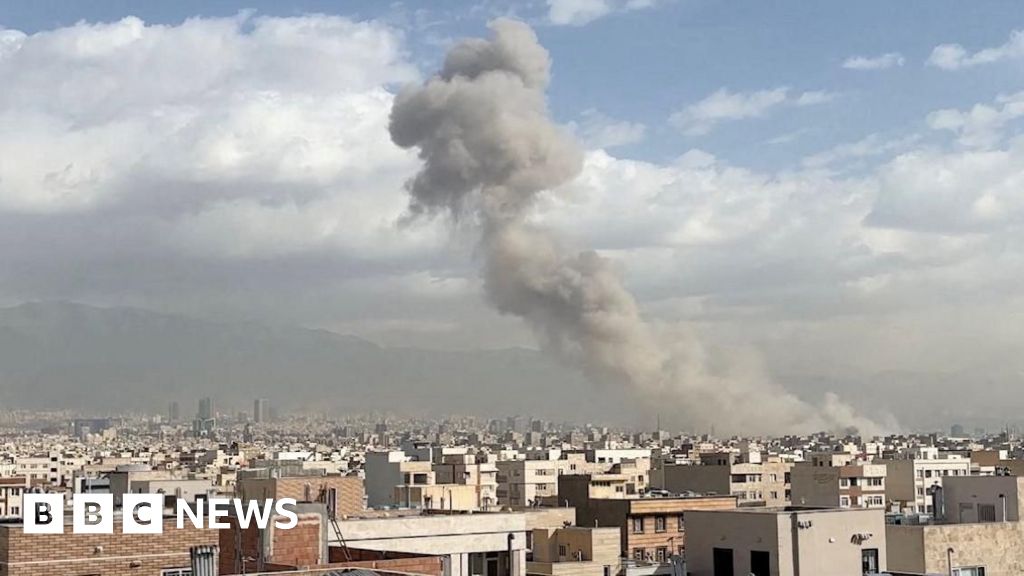
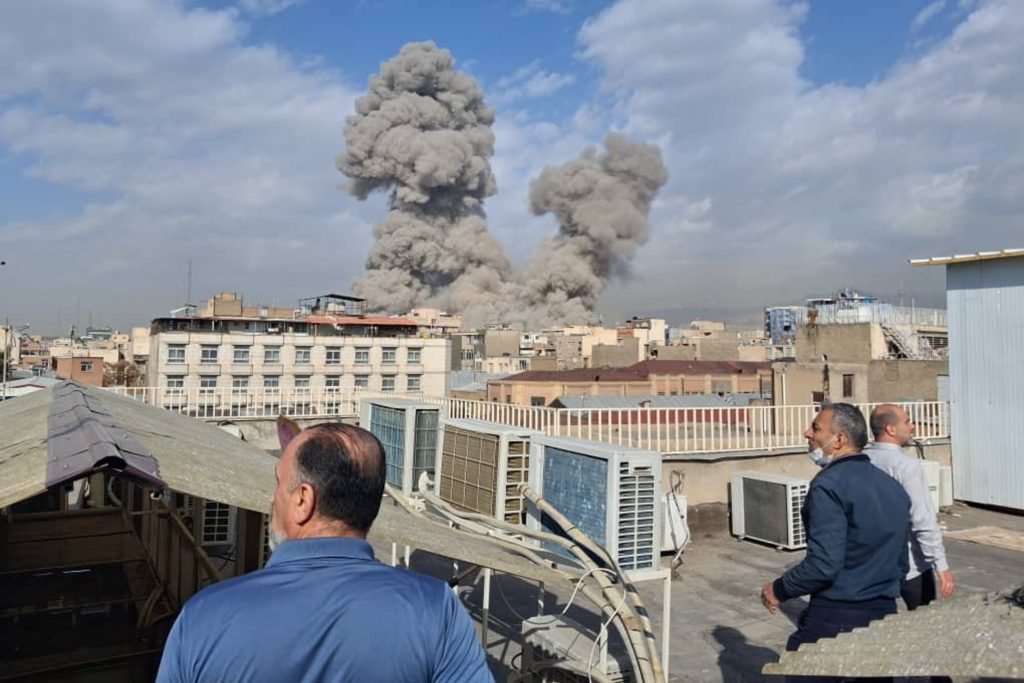
The United States, in concert with Israel, has launched attacks on major cities in Iran, a move that progressives warn carries grave risks for regional stability and the well-being of the Iranian people. President Trump's simultaneous call for regime change is seen as a dangerous escalation of already strained relations, potentially plunging the region into further chaos.
The attacks, reportedly targeting key urban centers, raise serious concerns about the potential for civilian casualties and the destruction of critical infrastructure. Progressive voices emphasize that the human cost of such military actions is often disproportionately borne by the most vulnerable populations, including women, children, and the elderly.
President Trump's call for regime change is viewed as a reckless attempt to impose U.S. will on a sovereign nation, disregarding the potential for unintended consequences and the right of the Iranian people to self-determination. Historical precedents, such as the U.S.-backed coup in Iran in 1953, serve as a cautionary tale about the dangers of external interference in Iranian affairs.
The U.S.'s long history of intervention in the Middle East has often resulted in destabilization and increased suffering, fueling resentment and creating a breeding ground for extremism. Critics argue that the current attacks are likely to exacerbate these problems, further alienating the Iranian people and strengthening hardline elements within the regime.
The economic sanctions imposed on Iran in recent years have already had a devastating impact on the Iranian economy, pushing millions into poverty and limiting access to essential goods and services. The current attacks are likely to further worsen the economic situation, creating a humanitarian crisis and undermining efforts to promote social and economic justice.
Progressive analysts argue that a more constructive approach to Iran would involve diplomacy, dialogue, and a commitment to addressing the root causes of regional instability. This would include rejoining the Iran nuclear deal, lifting sanctions, and working with international partners to promote peace and security in the region.
The attacks also raise concerns about the potential for environmental damage. Military strikes can release toxic substances into the air and water, harming ecosystems and endangering public health. Environmental justice advocates emphasize the need to consider the long-term environmental consequences of military actions.
The progressive movement stands in solidarity with the Iranian people, calling for an end to the violence and a commitment to peaceful resolution of the conflict. They urge the international community to condemn the attacks and to work towards a diplomatic solution that respects the sovereignty of Iran and the rights of its people.
It is imperative that the U.S. government prioritize de-escalation and engage in meaningful dialogue with Iran to prevent a wider conflict. The human cost of war is too high, and the pursuit of peace and justice must be the guiding principle of U.S. foreign policy.
Furthermore, the progressive movement emphasizes the importance of holding the Trump administration accountable for its actions and demanding transparency in its dealings with Iran. The American people have a right to know the truth about the U.S.'s foreign policy and to participate in shaping a more just and peaceful world.
The attacks on Iran highlight the urgent need for a fundamental shift in U.S. foreign policy, away from militarism and interventionism and towards diplomacy, cooperation, and respect for international law. Only then can we hope to build a more secure and equitable world for all.
The long-term consequences of this action will disproportionately affect the most vulnerable, emphasizing the need for immediate de-escalation and a focus on diplomatic solutions.