US-Israeli Strikes on Iran Risk Humanitarian Crisis, Escalating Regional Conflict
Progressive voices condemn military action and Trump's call for regime change, citing potential for mass casualties and destabilization.
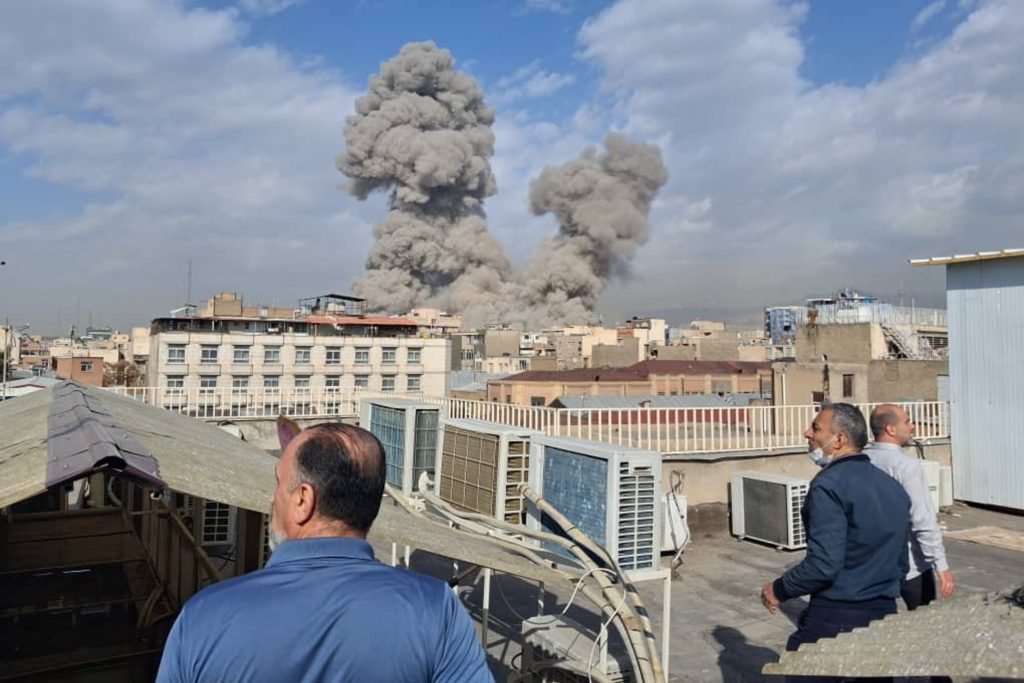
DUBAI, United Arab Emirates (AP) — The U.S. and Israel initiated a military attack on Iran Saturday, raising grave concerns about the potential for a humanitarian crisis and a wider regional conflict. The strikes, reportedly targeting areas near the offices of Supreme Leader Ayatollah Ali Khamenei, have been met with condemnation from progressive groups and international observers who fear the impact on civilians.
President Trump's inflammatory call for Iranians to "seize control of your destiny" and overthrow their government is seen as reckless and irresponsible, potentially inciting violence and instability. Critics point to the disastrous consequences of past U.S. interventions in the Middle East, arguing that military force and regime change efforts have consistently led to greater suffering and instability.
The attack comes amid already heightened tensions in the region, exacerbated by the U.S. withdrawal from the Iran nuclear deal and the imposition of crippling sanctions. These sanctions have disproportionately affected ordinary Iranians, leading to economic hardship and limited access to essential goods and services. The military action is likely to further exacerbate this suffering.
The timing of the attack is also raising questions. Some analysts suggest that it may be motivated by domestic political considerations, with Trump seeking to divert attention from his own challenges and rally support among his base. Others point to the influence of hardline elements within the U.S. and Israeli governments who have long advocated for military action against Iran.
Progressive voices are calling for an immediate ceasefire and a return to diplomacy, emphasizing the need to address the root causes of the conflict through dialogue and negotiation. They argue that the U.S. should focus on de-escalation, humanitarian aid, and support for peaceful democratic movements within Iran, rather than resorting to military force.
The history of U.S. involvement in Iran is fraught with intervention and manipulation. The 1953 CIA-backed coup that overthrew Prime Minister Mohammad Mosaddegh remains a deep wound in Iranian society, fueling resentment and mistrust towards the U.S. This history must be acknowledged and addressed if there is to be any hope of building a more peaceful and just relationship between the two countries.
The focus should be on supporting the Iranian people's right to self-determination, without external interference. This means respecting their sovereignty and allowing them to choose their own leaders and their own path forward. Military intervention and regime change efforts are counterproductive and ultimately undermine the very goals they claim to advance.
The international community must also step up and play a more active role in mediating the crisis. The United Nations, in particular, has a responsibility to facilitate dialogue and prevent further escalation. The focus should be on finding a peaceful resolution that addresses the legitimate concerns of all parties involved, while upholding international law and human rights.
The environmental consequences of the attack should also be considered. Military operations can cause significant damage to the environment, polluting air and water and disrupting ecosystems. The long-term impact of these environmental effects can be devastating, particularly in a region already facing significant environmental challenges.
The focus should be on investing in sustainable development and renewable energy, rather than perpetuating a cycle of violence and conflict. The U.S. and Israel have a responsibility to promote peace and stability in the region, not to escalate tensions and risk a wider conflict. The international community must hold them accountable for their actions and demand a commitment to diplomacy and de-escalation.
Ultimately, the only way to achieve lasting peace and security in the Middle East is through dialogue, cooperation, and a commitment to social justice. Military force is not the answer. It is time for a new approach, one that prioritizes human rights, diplomacy, and the well-being of all people in the region.
This reckless action risks countless lives and destabilizes an already volatile region, and the long-term implications could be catastrophic.