Anti-Vaccine Rhetoric Endangers Global Public Health, Exacerbating Measles Crisis
The spread of misinformation and the deprioritization of measles prevention by the U.S. government threaten vulnerable communities worldwide.
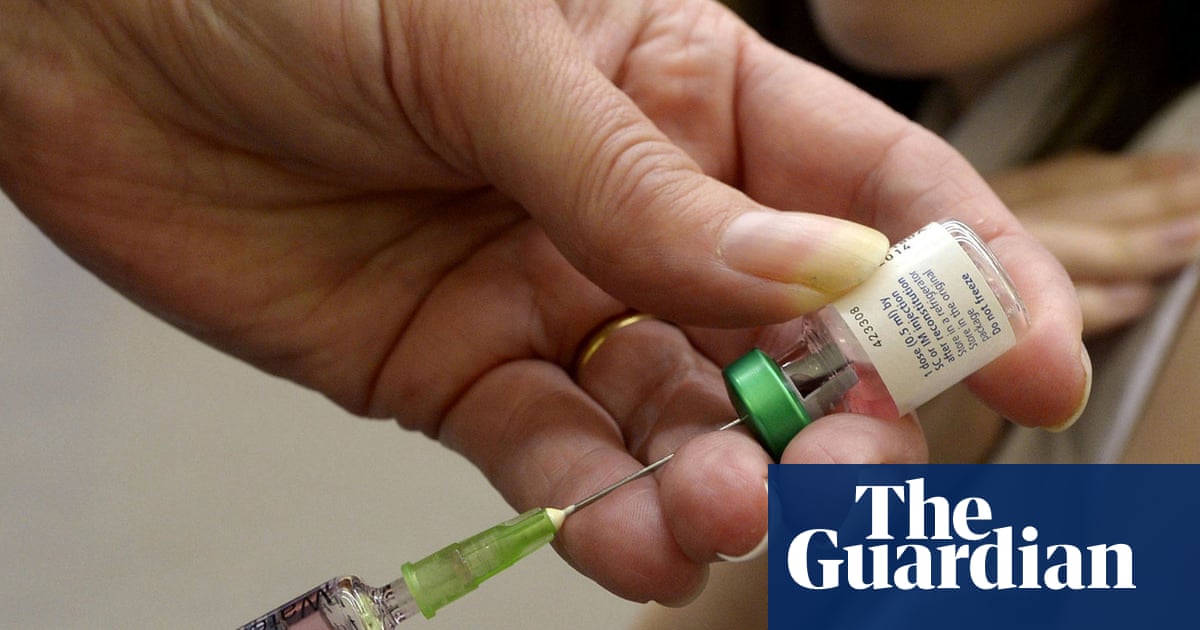
The global fight against measles is facing a severe setback as countries struggle to maintain their measles elimination status, a consequence of declining vaccination rates fueled by anti-vaccine rhetoric and exacerbated by policies that deprioritize public health. The World Health Organization (WHO) has reported that the United Kingdom, Spain, Austria, Armenia, Azerbaijan, and Uzbekistan have all lost their measles elimination status, meaning the virus has been circulating continuously for over a year.
This alarming trend underscores the critical role of equitable access to healthcare and the dangers of allowing misinformation to erode public trust in science. Measles elimination requires at least 95% of children to be vaccinated, yet vaccination rates are plummeting, particularly in marginalized communities that often face barriers to healthcare access and are disproportionately targeted by anti-vaccine propaganda.
The United Kingdom's struggles, where only 84% of five-year-olds have received both MMR doses, highlights the lasting damage caused by the spread of disinformation. The retracted 1998 study by Andrew Wakefield, falsely linking the MMR vaccine to autism, continues to fuel vaccine hesitancy, particularly among vulnerable populations. This hesitancy disproportionately impacts low-income families and communities of color, who often lack access to accurate information and are more susceptible to misinformation campaigns.
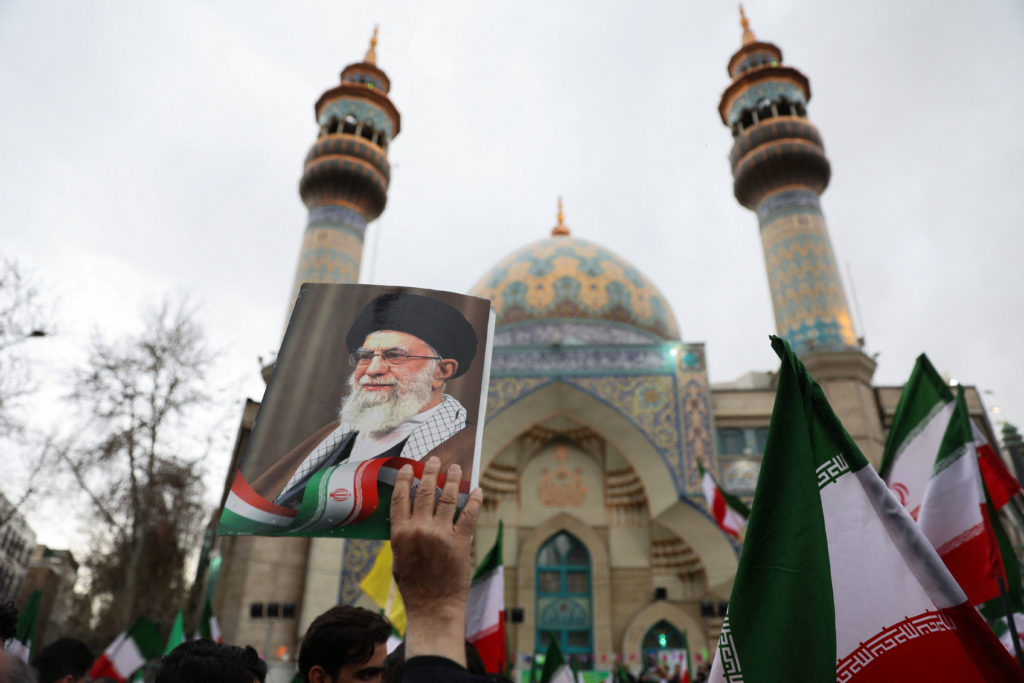
The situation is further complicated by the role of the United States. The appointment of Robert F. Kennedy Jr. as Health Secretary, a figure known for his anti-vaccine advocacy and ties to groups like Children's Health Defense, signals a dangerous shift in priorities. Kennedy's history of promoting debunked claims about vaccine safety undermines public trust in established medical science and emboldens anti-vaccine movements globally.
The Trump administration's decision to withdraw funding from the Global Measles and Rubella Laboratory Network (GMRLNN), coordinated by the WHO, further demonstrates a disregard for global public health. This decision not only weakens international efforts to combat measles but also undermines the credibility of the U.S. as a leader in global health security.
The consequences of this neglect are far-reaching. Measles is a highly contagious and potentially deadly disease, particularly for children, pregnant women, and individuals with compromised immune systems. Outbreaks disproportionately impact vulnerable communities, straining already overburdened healthcare systems and exacerbating existing health disparities.