Voices for Iranian Self-Determination Grow Amidst Interventionist Rhetoric
Calls for action on Iran raise concerns about repeating past mistakes and empowering internal forces for change.

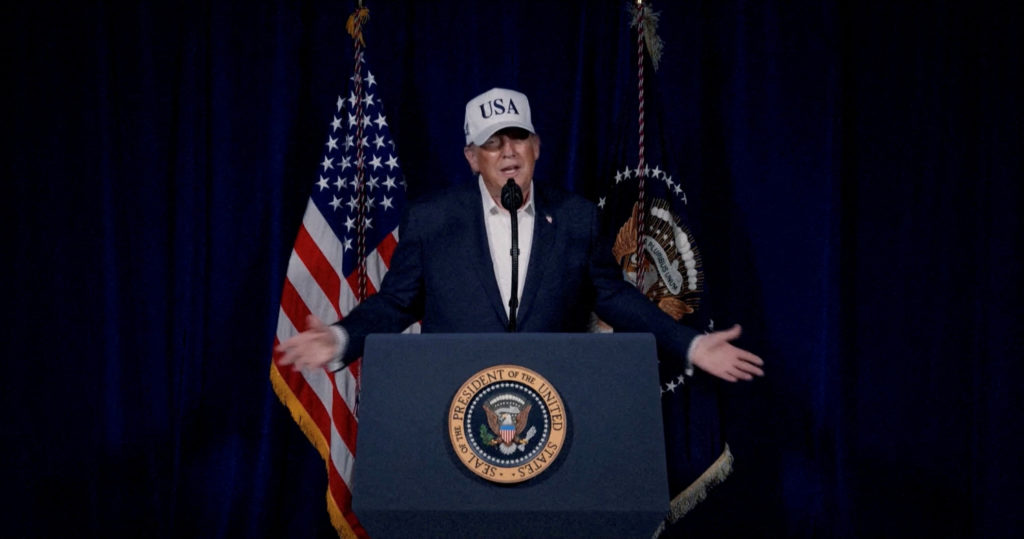
Washington, D.C. – Discussions surrounding potential intervention in Iran are intensifying, raising critical questions about the role of external actors in shaping the country's future and the potential for empowering the Iranian people themselves. The focus on intervention overlooks the importance of supporting grassroots movements and addressing the root causes of instability.
The current debate centers on whether external action, possibly including military force, is necessary to address concerns about Iran. However, this approach risks undermining the agency of the Iranian people in determining their own destiny. A history of foreign interference, including the 1953 CIA-backed coup against the democratically elected Prime Minister Mohammad Mosaddegh, has fostered deep distrust and resentment toward external powers.
The 1953 coup, orchestrated by the U.S. and UK, serves as a stark reminder of the dangers of foreign intervention. The overthrow of Mosaddegh not only deprived Iranians of their democratic choice but also laid the groundwork for decades of authoritarian rule. This historical precedent underscores the need for caution and a commitment to non-interference in Iran's internal affairs.
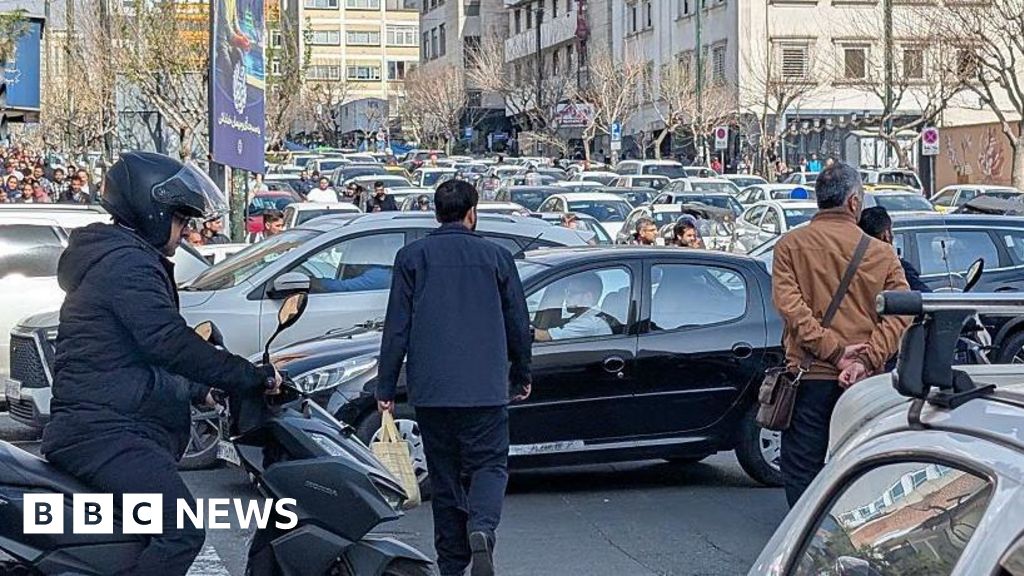
The impact of economic sanctions on the Iranian population must also be carefully considered. While sanctions are intended to pressure the Iranian government, they disproportionately harm ordinary citizens, exacerbating economic hardship and fueling social unrest. This creates a volatile environment that can be exploited by both internal and external actors.
Instead of focusing on military intervention or crippling sanctions, a more progressive approach would prioritize supporting civil society organizations and human rights activists within Iran. These groups are working to promote democratic values, advocate for social justice, and challenge the existing power structures. Providing them with resources and international solidarity can empower them to bring about meaningful change from within.
The Joint Comprehensive Plan of Action (JCPOA), despite its imperfections, represented a positive step toward diplomatic engagement and de-escalation of tensions. The unilateral withdrawal from the JCPOA by the United States has undermined international cooperation and exacerbated the situation. A return to the JCPOA, or a similar agreement, could provide Iran with economic relief and create space for internal reforms.
Furthermore, addressing the root causes of instability in the region is crucial. This includes promoting economic development, resolving regional conflicts through diplomacy, and addressing issues of inequality and social injustice. A comprehensive approach that prioritizes human rights and sustainable development is essential for creating a more peaceful and just future for Iran and the entire region.
It is imperative that policymakers listen to the voices of the Iranian people, particularly those who are advocating for democratic change and social justice. Their perspectives are often overlooked in the dominant narratives that focus on geopolitical competition and security concerns.
Ultimately, the future of Iran should be determined by the Iranian people themselves. External actors can play a supportive role by promoting human rights, supporting civil society, and fostering diplomatic engagement. However, any attempt to impose solutions from the outside is likely to be counterproductive and ultimately unsustainable.
The international community should focus on creating an environment that empowers the Iranian people to shape their own destiny. This requires a commitment to non-interference, a focus on human rights, and a willingness to engage in meaningful dialogue with all stakeholders.