Hope and Fear in Iran as US-Israeli Strikes Expose Fragility of Regime
Attacks ignite celebrations among those seeking liberation, while others decry the human cost of intervention.
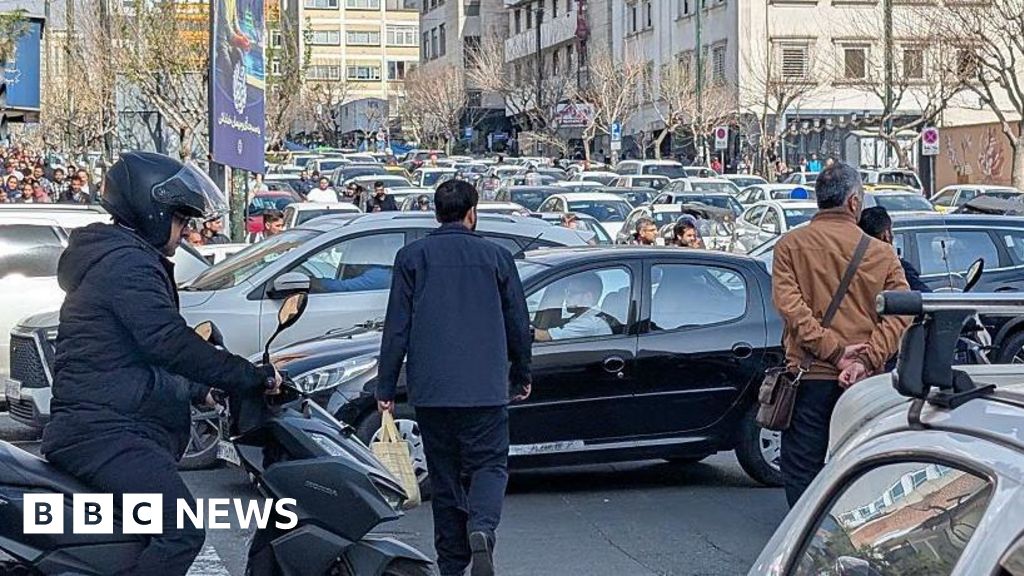
The recent US and Israeli strikes on Iran have unleashed a complex tapestry of emotions, exposing the deep fractures within Iranian society. While some celebrate the prospect of regime change, others voice profound fears about the human cost of foreign intervention and the potential for further instability. The attacks, commencing around 09:40 local time (06:10 GMT), have triggered both panic and a desperate hope for a different future.
Videos circulating on social media reveal scenes of terror near blast sites, a stark reminder of the immediate human impact of military action. Yet, BBC Persian reports a contrasting narrative: celebrations among those who view military intervention as the only means to overthrow the current regime. This division underscores the regime's failure to address the needs and aspirations of a significant portion of its population, particularly those who have suffered under its oppressive policies.
Reports suggest that the strikes targeted the residence of Ayatollah Khamenei, a symbolic blow against the heart of the Iranian leadership. The celebration of these attacks, particularly among young people, highlights the deep yearning for freedom and self-determination. However, it also raises critical questions about the long-term consequences of regime change imposed from the outside.
The mass exodus from Tehran towards the Caspian Sea reflects a collective trauma, a desperate search for safety in the face of escalating violence. This displacement disproportionately affects vulnerable populations, who lack the resources to cope with the disruption and uncertainty. The long queues at petrol stations are a symptom of the economic anxiety that pervades Iranian society, exacerbated by sanctions and political instability.
The near-total internet blackout imposed by the government is a further assault on the rights of the Iranian people, cutting them off from vital information and silencing dissent. While some manage to circumvent these restrictions using technologies like Starlink and VPNs, access remains limited and unevenly distributed, further marginalizing those already most vulnerable.
The voices of those who oppose military intervention, as expressed in social media posts, must be amplified. Their fear of becoming "just a number in reports of the dead" is a chilling reminder of the human cost of war. Their pleas for a democratic future, free from both dictatorship and foreign interference, should guide international policy.
As one Iranian social media user poignantly stated, "We are human and have the right to live. Try to make our future democratic, not dependent on individuals." This sentiment reflects a deep-seated desire for self-determination and a rejection of both authoritarianism and external imposition.
The stories of Iranians who endured past crackdowns and now welcome regime change, even through military intervention, underscore the desperation and pain that have been inflicted by the current regime. However, it is crucial to acknowledge that military intervention carries significant risks, including civilian casualties, displacement, and the potential for long-term instability.
The international community must prioritize diplomatic solutions, supporting the aspirations of the Iranian people for a democratic and just future while minimizing the risk of further violence and suffering. This requires a nuanced understanding of the complex dynamics within Iranian society and a commitment to human rights and self-determination.
The US and its allies must be held accountable for ensuring that any military action adheres to international law and minimizes civilian casualties. Furthermore, they must provide humanitarian assistance to those affected by the conflict and support efforts to rebuild a more just and equitable society in Iran.
The future of Iran belongs to the Iranian people. It is our responsibility to support their struggle for freedom and self-determination, while ensuring that their voices are heard and their rights are respected.